iWorld
Chahal Spins a New Tale as Story TV Chief Story Officer
India’s largest micro drama platform ropes in cricketer to script next innings.

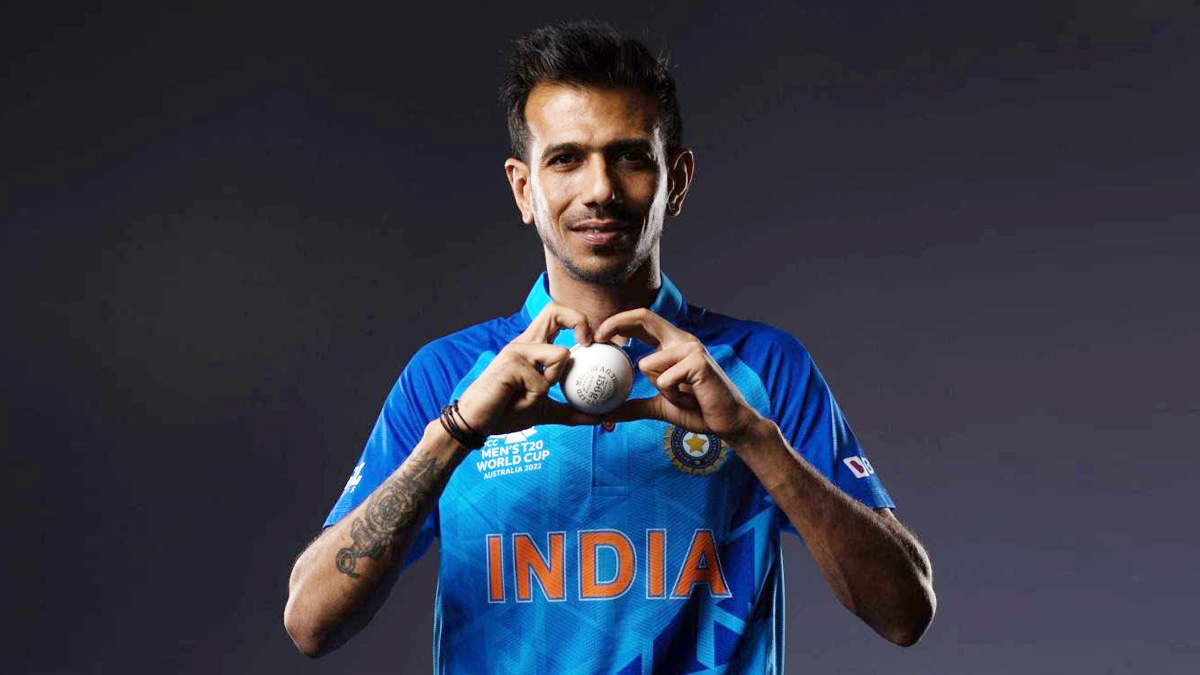
MUMBAI: From googlies to plot twists, Yuzvendra Chahal is ready to spin a different kind of story. Story TV, positioned as India’s largest micro drama platform, has appointed the Indian cricketer as its chief story officer, marking an unconventional crossover between sport and snackable storytelling. The move signals the platform’s ambition to blend pop culture with its rapidly expanding short format content ecosystem.
In his new role, Chahal will collaborate closely with the Story TV team to shape fresh ideas, concepts and narratives across genres. Drawing on his experience as a celebrated sportsperson and public figure, he is expected to bring an insider’s lens to stories spanning romance, love, sports, thriller and beyond.
The appointment comes as micro drama continues to gain traction among younger, mobile first audiences who prefer compact, high impact storytelling over long format viewing. Story TV currently boasts a library of more than 600 micro dramas, covering a wide spectrum of themes designed for quick consumption without sacrificing emotional punch.

While details of how Chahal’s involvement will unfold are expected to be shared soon, the platform has hinted that his association could influence both content development and the broader storytelling approach within the format.
For Chahal, known as much for his on field flair as for his off field personality, the role offers a fresh innings. And for Story TV, bringing a cricketer into the writers’ room may just be the twist that keeps viewers hooked for the next episode.






iWorld
OpenAI hits back at Elon Musk’s lawsuit ahead of trial
Company calls claims “baseless” and accuses Musk of trying to disrupt a rival.
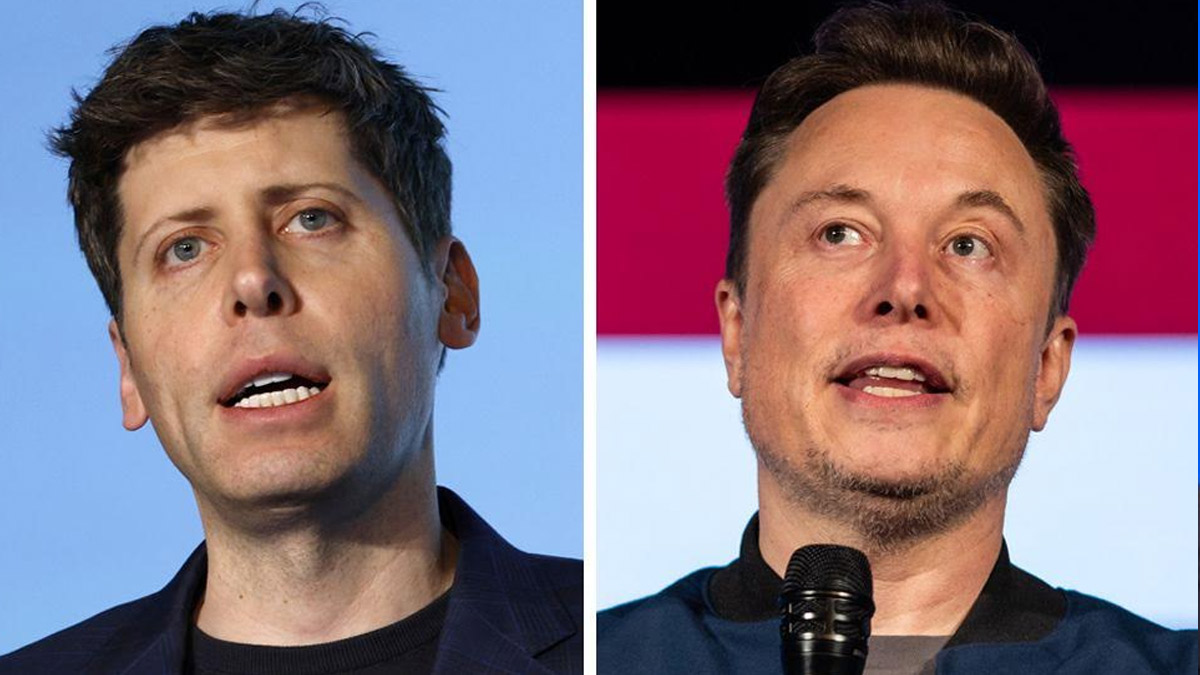
MUMBAI: When the stakes are measured in billions and egos are involved, even Silicon Valley titans can turn a courtroom into a battlefield. OpenAI has issued a sharp public response to Elon Musk’s ongoing lawsuit, accusing the billionaire of filing the case to harass a competitor rather than address genuine concerns. In a strongly worded statement shared on its official X account, OpenAI described Musk’s allegations as “baseless” and suggested the lawsuit is an attempt to disrupt the company as the case heads toward trial later this month in Oakland, California.
The response comes after Musk’s legal team recently amended the complaint, proposing that any damages potentially exceeding $150 billion should go to OpenAI’s nonprofit entity rather than to Musk personally. OpenAI questioned the timing and motive behind this change, calling it a late-stage attempt to “pretend to change his tune” on the nonprofit structure.
The company further labelled the lawsuit a “harassment campaign”, arguing that Musk’s actions are driven by personal rivalry, ego, and a desire for greater control and financial upside.
At the heart of the dispute is Musk’s claim that OpenAI has abandoned its original nonprofit mission of developing artificial intelligence for the benefit of humanity. A co-founder who left in 2018, Musk is seeking governance changes, including the removal of CEO Sam Altman from the nonprofit board, and the return of certain financial gains linked to Altman and President Greg Brockman.
OpenAI has firmly rejected these allegations, maintaining that its current hybrid structure, a public-benefit corporation overseen by a nonprofit parent remains true to its long-term goals. The company has also previously accused Musk of anti-competitive behaviour aimed at weakening its leadership.
As the case prepares for a jury trial, this public exchange highlights the deepening rift between two of the most influential figures in the AI revolution and raises broader questions about governance, mission, and power in the fast-moving world of artificial intelligence.
In the high-stakes game of AI, it seems the real drama isn’t just inside the models, it’s playing out in courtrooms too.






