iWorld
Banijay Asia’s The 50 tops OTT charts with 8.1 million JioHotstar views
Reality competition becomes most watched show on JioHotstar in debut week.


MUMBAI: Fifty contestants walked into a palace, but millions of viewers showed up for the drama. Reality competition The 50, produced by Banijay Asia, has emerged as the most watched show on JioHotstar, clocking 8.1 million views in its debut week. The figure, reported by Ormax Media, places the show at the top of the OTT viewership charts and marks a strong opening for the digital reality format.
Adapted from a popular French format, The 50 brings together 50 personalities from television, digital platforms, music and reality shows inside a grand palace setting. Over the course of a 50 day competition, participants form alliances, compete in unpredictable tasks and navigate eliminations as the field steadily narrows.
Guiding the game is a mysterious figure known as The Lion, an unseen game master whose voice introduces twists, challenges and strategic turns throughout the show, adding an extra layer of suspense to the contest.

What distinguishes The 50 from typical reality competitions is its audience driven prize structure. Instead of the winner taking home the final reward, the prize is awarded to one of the winner’s registered followers through the show’s dedicated app. The mechanism effectively turns viewers into participants, allowing fans to have a direct stake in the outcome.
The contestant lineup features a mix of television actors, reality stars and digital creators, including Karan Patel, Urvashi Dholakia, Divya Agarwal, Mr Faisu and Dushyant Kukreja, each bringing their own fan following to the show.
With its blend of celebrity personalities, strategic gameplay and interactive viewer participation, The 50 has quickly carved out a strong foothold in India’s digital entertainment landscape. Its 8.1 million views in the opening week underline the growing appetite for large scale reality formats designed specifically for OTT audiences.







iWorld
OpenAI hits back at Elon Musk’s lawsuit ahead of trial
Company calls claims “baseless” and accuses Musk of trying to disrupt a rival.
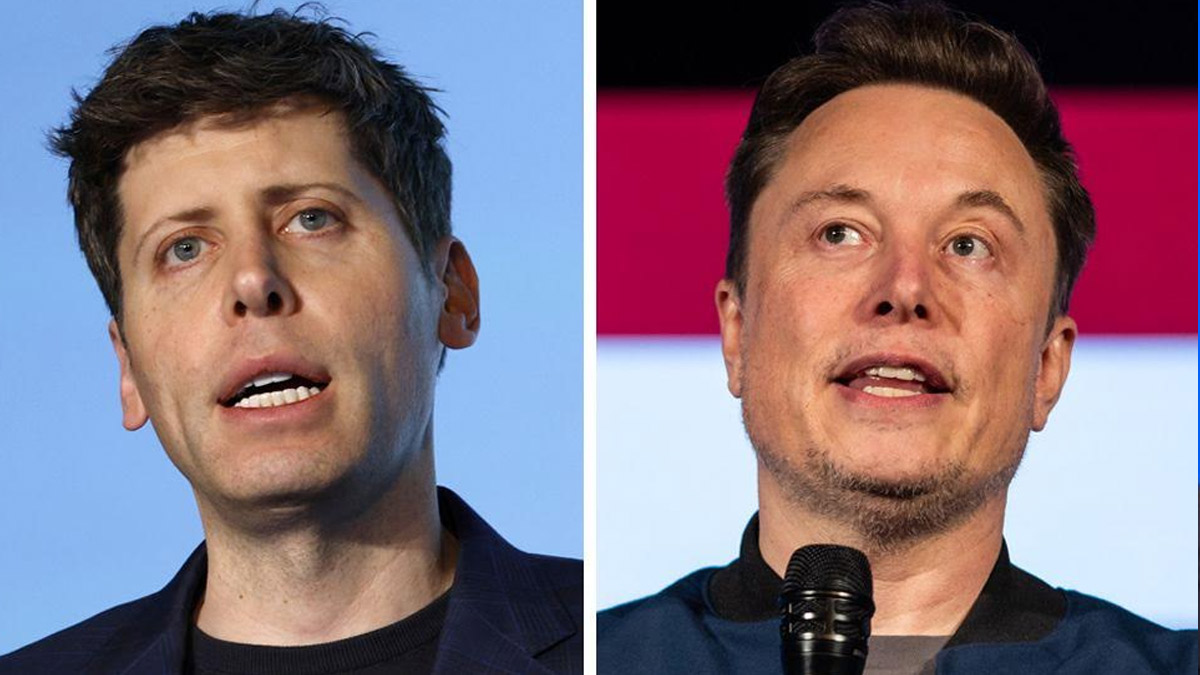
MUMBAI: When the stakes are measured in billions and egos are involved, even Silicon Valley titans can turn a courtroom into a battlefield. OpenAI has issued a sharp public response to Elon Musk’s ongoing lawsuit, accusing the billionaire of filing the case to harass a competitor rather than address genuine concerns. In a strongly worded statement shared on its official X account, OpenAI described Musk’s allegations as “baseless” and suggested the lawsuit is an attempt to disrupt the company as the case heads toward trial later this month in Oakland, California.
The response comes after Musk’s legal team recently amended the complaint, proposing that any damages potentially exceeding $150 billion should go to OpenAI’s nonprofit entity rather than to Musk personally. OpenAI questioned the timing and motive behind this change, calling it a late-stage attempt to “pretend to change his tune” on the nonprofit structure.
The company further labelled the lawsuit a “harassment campaign”, arguing that Musk’s actions are driven by personal rivalry, ego, and a desire for greater control and financial upside.
At the heart of the dispute is Musk’s claim that OpenAI has abandoned its original nonprofit mission of developing artificial intelligence for the benefit of humanity. A co-founder who left in 2018, Musk is seeking governance changes, including the removal of CEO Sam Altman from the nonprofit board, and the return of certain financial gains linked to Altman and President Greg Brockman.
OpenAI has firmly rejected these allegations, maintaining that its current hybrid structure, a public-benefit corporation overseen by a nonprofit parent remains true to its long-term goals. The company has also previously accused Musk of anti-competitive behaviour aimed at weakening its leadership.
As the case prepares for a jury trial, this public exchange highlights the deepening rift between two of the most influential figures in the AI revolution and raises broader questions about governance, mission, and power in the fast-moving world of artificial intelligence.
In the high-stakes game of AI, it seems the real drama isn’t just inside the models, it’s playing out in courtrooms too.






