iWorld
American Idol – the game-changer of reality television now on ZEE5

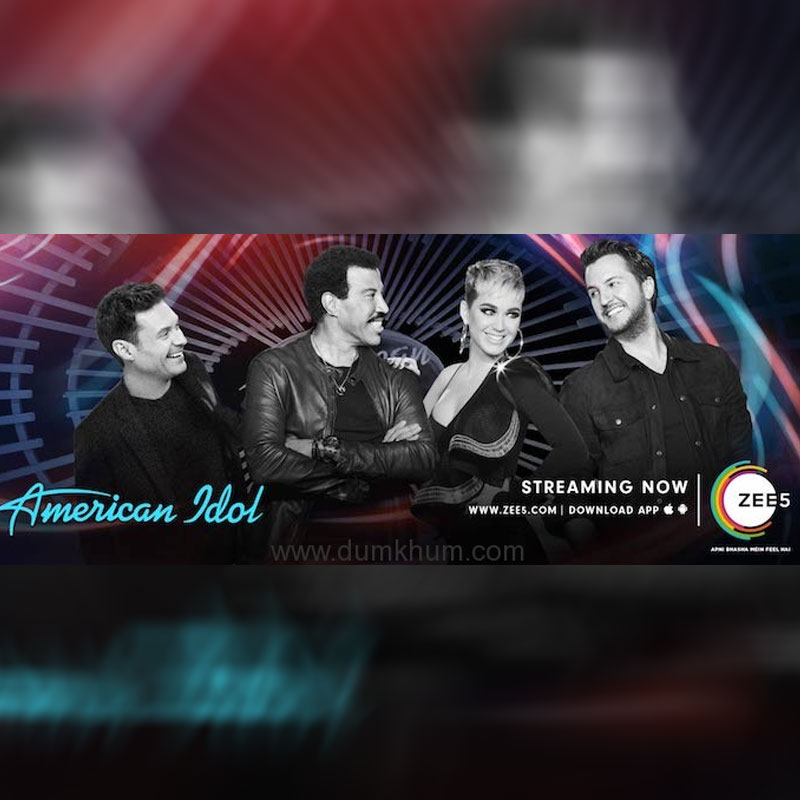
MUMBAI: All you music lovers who have been a part of America’s biggest search for its talent are in for a big treat! American Idol – the reality TV show that changed television viewing forever is all set to make its debut on ZEE5, India’s largest and most comprehensive digital entertainment platform for language content. Available from 2nd July, the show is available for binge-watching for all you die-hard fans.
The latest season i.e 16th season hosted by Emmy® Award-winning host and producer Ryan Seacrest, the heart and soul of the show, will be available.
The show that debuted in 2002, American Idol held the distinct rank of being the highest-rated series for a decade. The popular show, viewed by a worldwide audience of over 460 million across 53 countries, will be a delight for the Indian viewers to binge watch on.

With superstar judges – Luke Bryan, Katy Perry and Lionel Richie, the much-awaited 8th season of American Idol has brought fresh talent and some amazing artists forth to sweep the audience by their feet. American Idol has brought to the fore a sea of talent in the past. The 2018 season came to a close with Iowa-born Maddie Poppe being announced the winner.
ZEE5 India, Chief Marketing Officer, Manish Aggarwal said, “American Idol is one of the highest watched music competition series. The show introduced many firsts for us a generation – a talent show that placed the power of choice in the listener’s hand. It also introduced the concept of text and mobile voting, forming a different kind of engagement with the audience. It was also the first show that placed the spotlight squarely on talented musicians in the country pushing music into the national eye. We believe the show will be a huge hit across a huge cross-section of our subscribers – starting from those for whom American Idol was part of their wonder years. Bringing the show, as part of our marquee offerings that have music videos, international shows from BBC, Hollywood. Movies etc., is an aspect that is a crucial part of brand promise.”
ZEE5 has an exciting original content line-up which will feature some of the biggest and most entertaining faces from the world of Indian entertainment. The platform will have 90+ original shows by the end of March 2019.
Availability: The ZEE5 App can be downloaded from Google Play Storehttp://bit.ly/zee5andand iOS App Storehttp://bit.ly/zee5ios. Also available at www.zee5.com, as a Progressive Web App (PWA), and on Apple TVand Amazon Fire TV Stick.ZEE5 also supports Chromecast.
Pricing: Freemium pricing model with both free and paid premium content (including Originals) to cater to a mix of audiences. Viewers who subscribe to the ZEE5 subscription pack will get access to the entire library of content at a special launch offer price of INR 99 per month instead of the actual monthly pack price of INR 150.






Gaming
Nodwin Gaming partners with Runestone for esports data and integrity solutions
South Asian esports leader joins forces with Czech tech firm to enhance tournament operations.
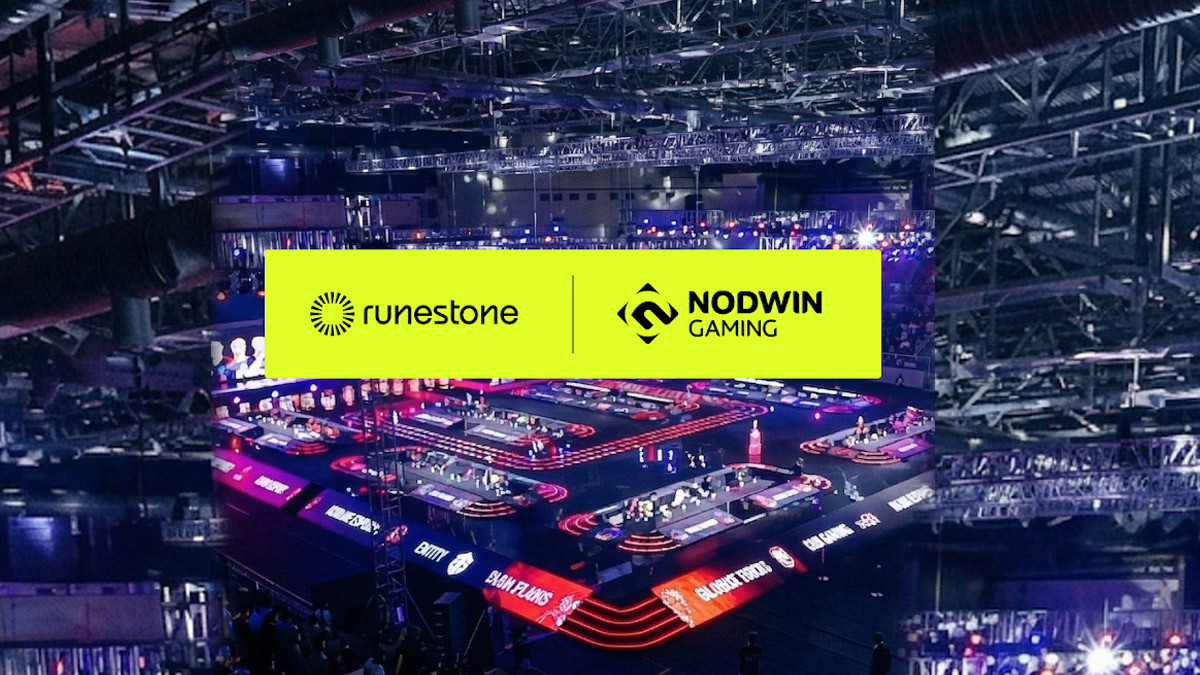
MUMBAI: Nodwin Gaming has just levelled up its game by bringing in a specialist to keep the scoreboard honest and the fans fully engaged. The leading South Asian esports and gaming company has announced a strategic partnership with Runestone, a Prague-headquartered esports technology firm specialising in real-time data and engagement solutions for tournament organisers and publishers.
The collaboration aims to strengthen competitive integrity, improve operational oversight, and deliver more interactive viewing experiences across Nodwin’s properties. It will initially focus on the Nodwin Clutch Series for Counter-Strike 2, a Tier 2 tournament that provides emerging teams with consistent competitive opportunities and helps build the talent pipeline.
The latest edition of the series recently concluded with Big defeating ECSTATIC 2–1 in the grand final of the $50,000 online event.
Nodwin Gaming chief business officer at MENA and global head of data monetization Teemu Koski said, “Integrity and transparency are fundamental to sustainable esports ecosystems, especially in Tier 2 competition where the next generation of talent emerges. Runestone’s expertise complements our experience in building scalable esports IPs.”
Runestone head of partnerships Michael Schwartz added, “Nodwin Gaming has built one of the most dynamic esports ecosystems across emerging markets. We’re thrilled to collaborate on supporting tournaments with greater transparency, deeper fan interaction, and scalable tools.”
Both companies are exploring opportunities to extend the partnership across additional titles, including mobile-first competitive ecosystems, and to develop new products for publishers, tournament operators, and event promoters.
In the rapidly growing world of esports, where fair play and fan excitement are equally crucial, Nodwin Gaming and Runestone are teaming up to ensure every match is not only competitive but also transparent and engaging. This alliance could well become a game-changer for Tier 2 tournaments across South Asia and beyond.







