Brands
Renault India embarks on an aggressive nationwide network expansion plan

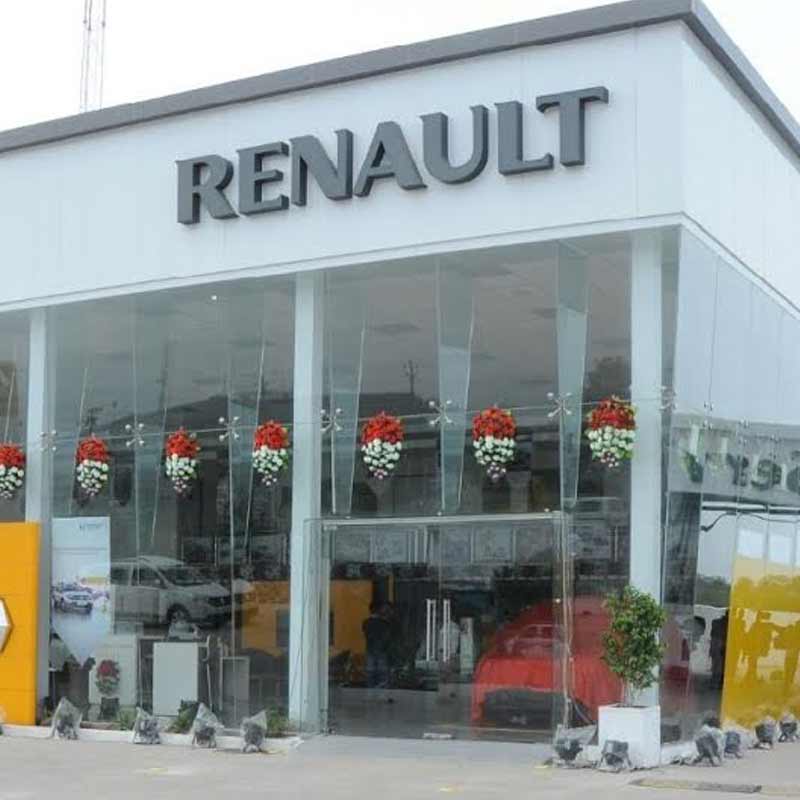
MUMBAI: Renault India is aggressively expanding its network reach across the country. The brand will increase its dealership network from 208 facilities to 240 facilities by the end of this year. This expansion plan has been developed to make Renault cars accessible to more people across the country, and will play a key role in growing Renault’s aggressive business strategy in India.
Renault has a clear focus on building the brand in India, and expanding the network presence is imperative to achieve this objective. The company is working hard to make its products and services more accessible across the country, with an equal focus on growing its presence in metros as well as in the hinterlands of India.
All the new Renault India dealerships being inaugurated are designed according to the RENAULTSTORE concept. RENAULTSTORE is a new generation of dealerships which has been conceptualized to best address the evolving needs of customers by highlighting the value of the brand, products, services and accessories in a modern and more effective manner. These new generation dealerships offer customers an excellent brand experience – from the test drive, to delivery and after-sales support.

Renault is one of the fastest growing automotive brands in India, and is working at achieving a 5% market share by this year. With more dealership launches in the pipeline to reach its target of 240 dealerships by the end of this year, Renault is focusing on moving closer to its customers and providing them with the most enhanced ownership experience.




Brands
Hyundai launches updated Ioniq 5 with 84 kWh battery, 690 km range
Priced at Rs 55.7 lakh, adds design, tech and safety upgrades.
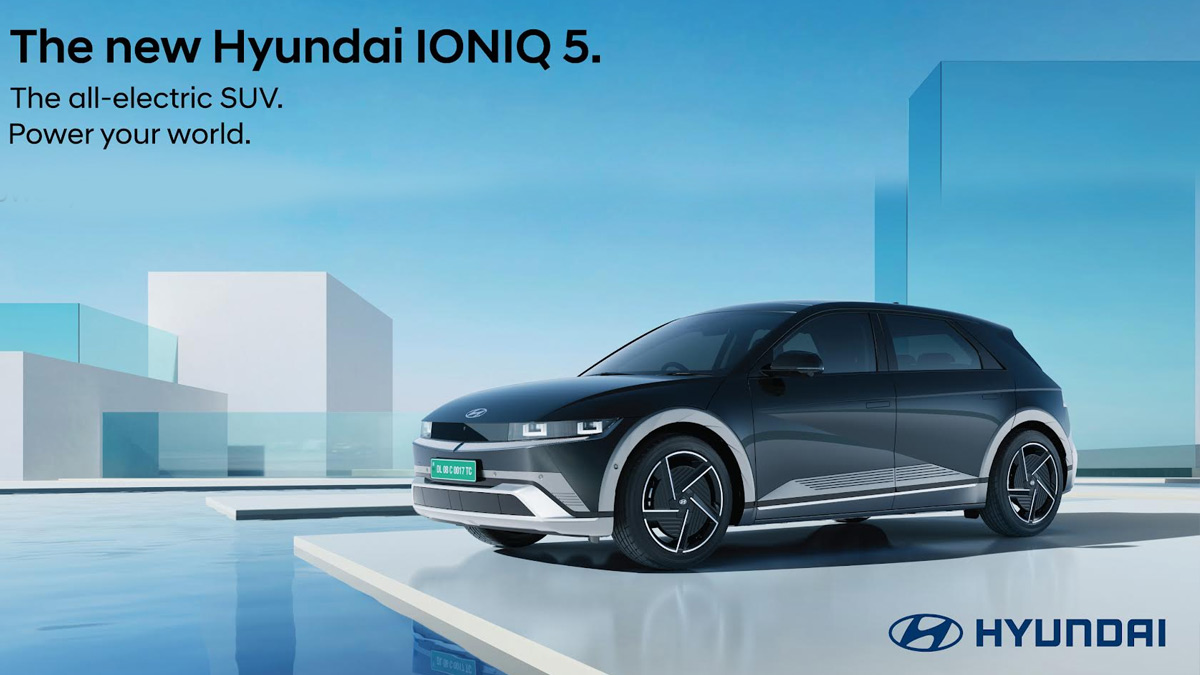
MUMBAI: Charge it up, stretch it out, Hyundai’s latest electric upgrade is going the distance, quite literally. Hyundai Motor India Limited (HMIL) has introduced an updated version of its Ioniq 5, packing in a larger 84.0 kWh battery that delivers a claimed range of up to 690 km (ARAI-certified), marking a significant leap in everyday usability for its flagship electric SUV.
Built on Hyundai’s Electric Global Modular Platform (E-GMP), the refreshed IONIQ 5 aims to balance performance with practicality, reducing range anxiety while making long-distance electric travel more viable. The upgrade builds on a model that has already secured global recognition, including the World Car of the Year title.
The changes aren’t just under the skin. On the outside, the SUV gets a sharper, more futuristic look with redesigned front and rear bumpers, new skid plates, sporty alloy wheels, a revised rear spoiler and updated V-garnish lighting, all while retaining its signature Parametric Pixel design.
Inside, Hyundai has focused on making the experience more intuitive. The cabin now features a redesigned three-spoke steering wheel with illuminated pixel elements, dual 12.3-inch displays, and a reworked wireless charging pad integrated with physical controls for seat functions small tweaks that aim to improve day-to-day usability.
On the tech front, the IONIQ 5 gets Hyundai’s Connected Car Navigation Cockpit (ccNC), Controller Over-the-Air (C-OTA) updates, and now supports wireless Android Auto and Apple CarPlay. New additions such as Active Sound Design and in-car payment integration for EV charging reflect a push towards a more seamless, connected ownership experience. Remote immobilisation via Bluelink has also been introduced as an added security layer.
Safety sees incremental upgrades too, with features like Parking Collision-Avoidance Assist (Rear) and side parking distance warnings enhancing manoeuvrability in tight urban spaces.
The updated IONIQ 5 is available in four colour options Gravity Gold Matte, Midnight Black Pearl, Titan Grey and Optic White with an Obsidian Black interior theme.
Priced at Rs 55.7 lakh (ex-showroom), the new IONIQ 5 positions itself as a more rounded offering, less about futuristic promise, and more about making electric mobility fit seamlessly into everyday life.