MAM
Vice, WPP sign multi-million dollar ad deal
MUMBAI: Vice and WPP’s media investment unit GroupM have signed a multimillion-dollar advertising deal that will take advantage of the millennial-focused media company’s international expansion.
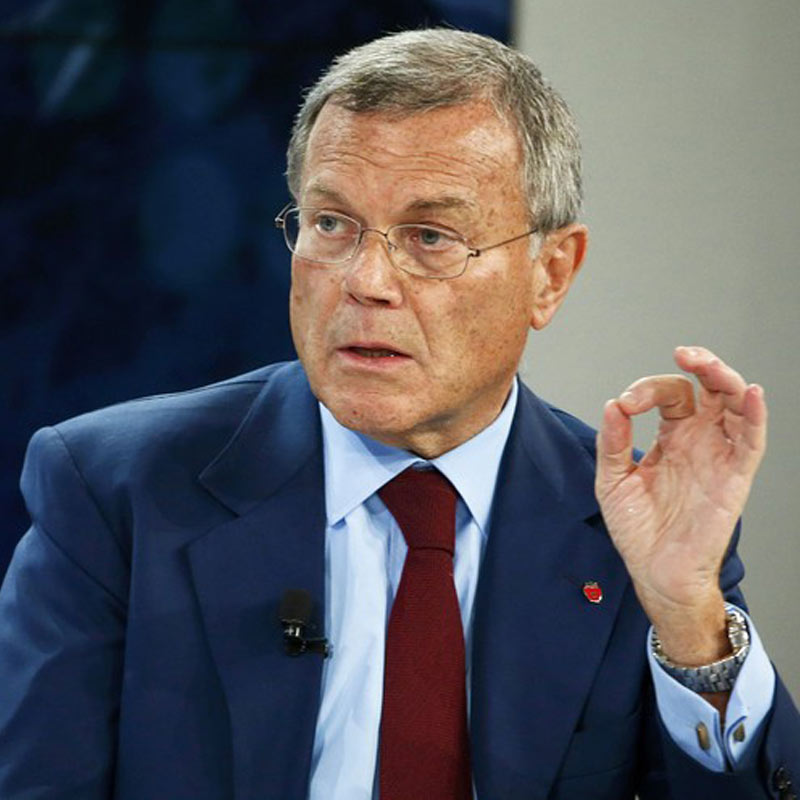
Vice co-founder and CEO Shane Smith and WPP CEO Martin Sorrell said that they agreed that millennials were the future. They were under-serviced, and the companies had to create more content.
The particulars of the deal involve Vice working with GroupM to use Vice’s insights, content and data to build an advertising platform across all of Vice’s global multi-screen and over-the-top properties. The deal was announced at the Dmexco conference in Cologne, Germany.
The deal is worth hundreds of millions of dollars in ad spending, according to Smith. A Vice spokesperson later added it is a multi-year, multi territory deal.
GroupM handles over USD 102 billion in advertising billings, according to research company Recma. GroupM said it handles one out of three ads globally.
Sorrell said that there were some difficulties working with Google and Facebook, and that there’ was a need to find another force.
In June, Vice announced plans to expand its presence to 51 territories, including having a TV, mobile and digital presence in India and the Middle East and TV content throughout Africa.
It also will add a 24-hour TV channel in Australia and New Zealand, where it already has a robust digital and mobile presence. Vice’s U.S. cable channel Viceland launched in February 2016, and it’s nightly HBO news show is slated to begin on 10 October.
WPP at present has an 8.5 per cent stake in Vice. At one point, it owned up to one-tenth of the company but has since sold some shares. Source: cnbc.com

Brands
Reserve Bank of India cancels Paytm Payments Bank licence
Central bank cites compliance failures; curbs tighten as wind-up looms
MUMBAI: India’s banking watchdog delivered its sharpest blow yet to Paytm Payments Bank, cancelling its licence and effectively ending its ability to operate as a bank under the law.
The Reserve Bank of India said the entity can no longer conduct banking business under the Banking Regulation Act, citing concerns that its affairs were not being run in the interest of depositors or the public and that it had failed to meet licence conditions.
The move escalates a crackdown that has been building for months. The bank had already been barred from onboarding new customers since March 11, 2022, and later faced restrictions on deposits, credit and wallet top-ups. In January 2024, the central bank ordered it to stop accepting fresh deposits, pointing to persistent non-compliance, including lapses in customer due diligence, use of funds and technology systems.
Operationally, the bank is now on a tight leash. It may process withdrawals of existing deposits and facilitate loan referrals through banking correspondents, but it cannot take fresh deposits.
The central bank said it would apply to the high court to wind up the bank.
Paytm sought to ringfence the fallout. In a regulatory filing, it said the licence cancellation applies to Paytm Payments Bank Limited, a separate entity, and should not be attributed to One 97 Communications. It added that there is no exposure or material business arrangement with the bank and that it operates independently, without Paytm’s board or management involvement.
“As informed earlier, Paytm (One 97 Communications Limited) and its services, which have been operating without interruption, will continue to operate uninterrupted. These include the Paytm app, Paytm UPI, Paytm Gold and all other services offered by its subsidiaries and associated companies,” the company said.
The distinction may reassure users of the app ecosystem, but the regulator’s verdict is unequivocal. After years of warnings, caps and curbs, the payments bank experiment at Paytm is being shut down—decisively, and with little room left to manoeuvre.