Brands
Top five electric cycle manufacturers in India

Mumbai: In India, electric cycles are becoming a hot trend for city dwellers. The green wave is driven by a perfect storm: rising fuel costs, a growing eco-consciousness, and initiatives that support e-bike adoption. E-bike production is booming, making e-cycles a potential game-changer for India’s transportation sector. Not only is this trend eco-friendly, but it also paves the way for exciting innovation and economic benefits.
Here are the top electric cycle manufacturers in India
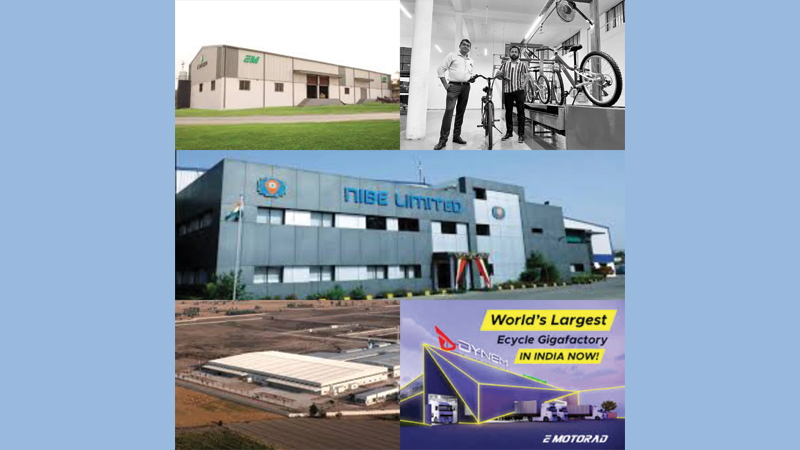
DYNEM: DYNEM, India’s leading electric cycle gigafactory, produces over 500,000 e-cycles annually. It offers a wide range of e-bikes suitable for urban and off-road use, along with essential components like high-performance motors, LCD displays, controllers, and batteries. As a comprehensive supplier, DYNEM serves global e-bike companies seeking quality drivetrain solutions. India’s low import duties (0 to 2.5%) for European and American importers provide a competitive advantage, facilitating access to cost-effective manufacturing and legal anti-dumping options.

Hero Lectro: Hero Electro, distinct from its larger sibling Hero Electric which specializes in electric scooters, is a key player in India’s rapidly growing electric cycle market. While Hero Electric focuses on two-wheeled electric vehicles, Hero Electro carves out a niche specifically in electric bicycles, or e-bikes. This targeted approach allows them to cater to the unique needs of urban commuters seeking eco-friendly and efficient transportation solutions.
Tru-Bike: A young and impactful player in India’s e-bike revolution, Tru Bikes, established in 2020, has carved a niche for itself in Ludhiana, Punjab. This manufacturer stands out for its diverse offerings, encompassing adult e-bikes, e-mobility vehicles, and even premium kids’ bicycles. Tru Bikes combines innovation and quality, with a global reach that exports its products beyond Indian borders.
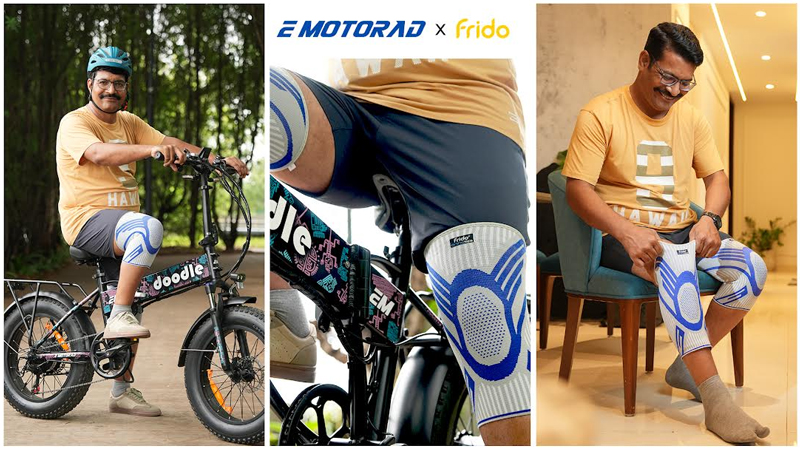
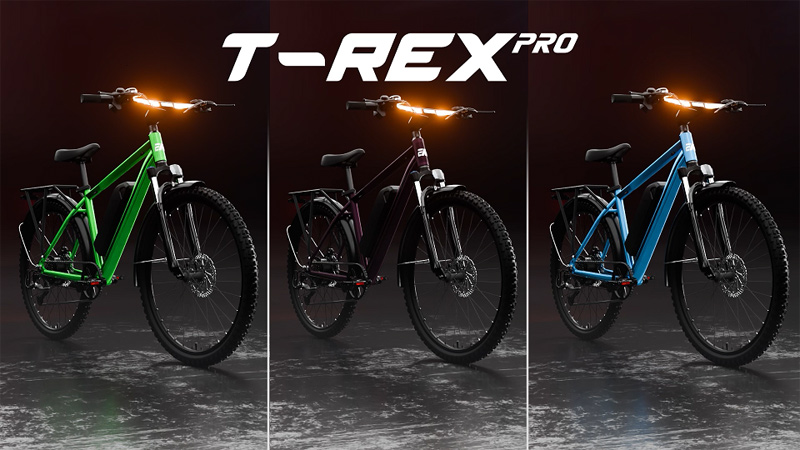
EMotorad: Dhoni-backed Pune’s EMotorad is leading the e-bike charge in India. They focus on affordability and cutting-edge tech for a wide range of riders. Their premium e-bikes cater to both eco-conscious commuters and adventure seekers, making them a key player in India’s sustainable transportation revolution.
NIBE Motors: Nibe Motors, a Maharashtra-based manufacturer, is a prominent name in India’s electric cycle scene. Established in Nashik, they’ve gained recognition and offer a range of e-bikes with features like robust build, ergonomic design, and ARAI (Automotive Research Association of India) approval. Their focus on domestic production positions them as a strong contender in India’s electric transportation revolution.


Brands
Godrej clarifies ‘GI’ identifier after logo similarity debate
Says GI is not a logo, will not replace Godrej signature across products.
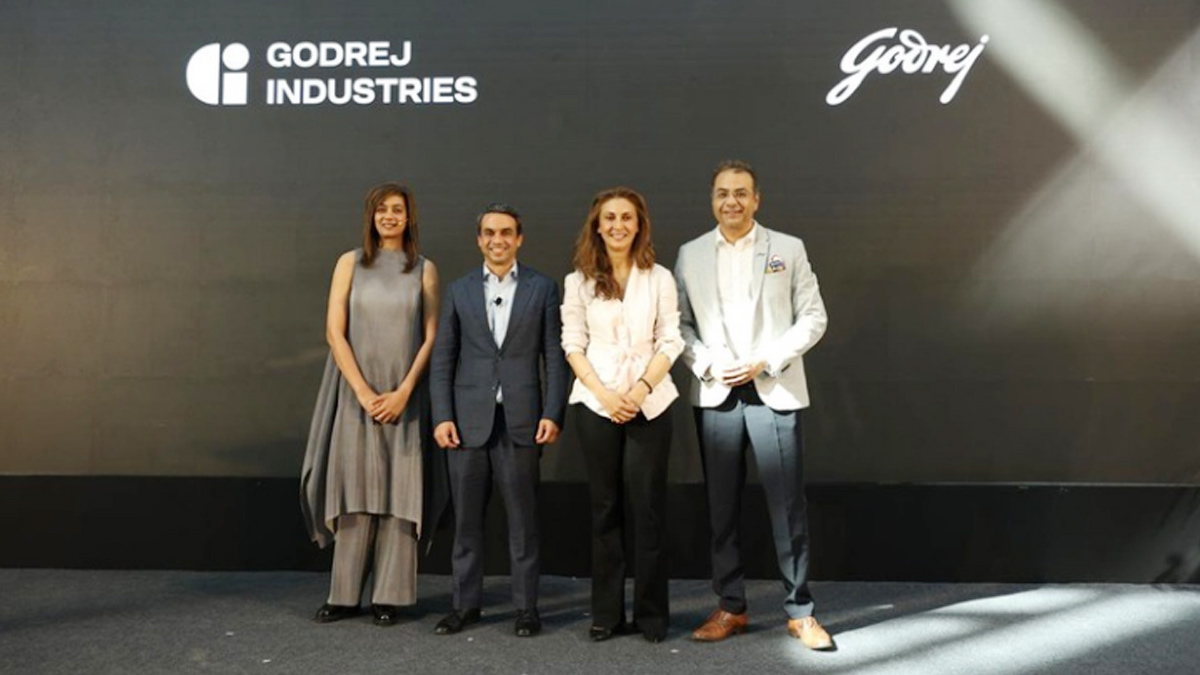
MUMBAI: In a branding storm where shapes did the talking, Godrej is now spelling things out. Godrej Industries Group (GIG) has issued a clarification on its newly introduced ‘GI’ identifier, addressing questions around its purpose and design following a wave of online criticism. At the centre of the debate were two concerns: whether the new mark replaces the long-standing Godrej logo, and whether its geometric design mirrors other corporate identities.
The company has drawn a clear line. The Godrej signature logo, it said, remains unchanged and continues to be the sole logo across all consumer-facing products and services. The ‘GI’ mark, by contrast, is not a logo but a corporate group identifier intended for use alongside the Godrej signature or company name, and aimed at stakeholders such as investors, media and talent rather than consumers.
The need for such a distinction stems from the 2024 restructuring of the broader Godrej Group into two separate business entities. With both continuing to operate under the same Godrej name and signature, the identifier is positioned as a way to differentiate the Godrej Industries Group at a corporate level.
The rollout, however, triggered a broader conversation on design originality. Critics pointed to similarities between the GI mark’s geometric composition and logos used by companies globally, raising questions about distinctiveness.
Responding to this, GIG said its intellectual property and legal review found that such overlaps are common in minimalist, geometry-led design systems. Basic forms such as circles and rectangles appear across dozens of brand identities worldwide, the company noted.
It added that the identifier emerged from an extensive design process and was chosen for its simplicity, allowing it to sit alongside the Godrej signature without competing visually. While acknowledging that elemental shapes may appear less distinctive in isolation, the group emphasised that the mark is part of a broader identity system that includes a custom typeface, sonic branding and other proprietary elements.
Following legal and ethical assessments, the company said it found no impediment to using the identifier, reiterating that the GI mark is a corporate tool not a consumer-facing symbol.
In short, the logo isn’t changing but the conversation around it certainly has.