MAM
Veteran journalist Palakunnathu Mathai passes away


Mumbai: It was on 12 Mary 2024 that Palakunnathu George Mathai (PGM) breathed his last at a hospital in Kottayam, Kerala. With that, another fabulous journalistic life was snuffed out. For all those unfamiliar with him, the soft-spoken yet tough-as-nails Mathai belonged to a school of scribes who are meticulous to the T; who prefer to work late into the night, but not let one error get through to the press or online.
He was my boss for a while at BusinessWorld – whenever the editor Parthasarathi Swami (he also passed on a couple of years ago; a talent gone too soon and young) or later the venerable TN Ninan, decided to go on leave or were caught up with more important issues. I was the chief sub-editor and later, the assistant editor.
And he was a special boss, always ready to take a second and third opinion from his colleagues and his juniors, but he would finally decide the way forward. His talent lay in copy editing, but he took up other challenges as well, like banging away at his keyboard for a cover story or a corporate feature.

At times, he appeared muddled, holding on to the back of his near-bald pate, with one hand, while the other held a story printout which had devoured his attention, unclear about the grammar construct or some fact that was mentioned. He would then pick up the dictionary or thesaurus, browse through it until he found the right turn of phrase or got the right info from the reporter. Then a large grin would break out on his face and his tense shoulders would ease back a bit.
There were times when we would imitate him, and burst into laughter amongst ourselves. He did not mind that.
He was a kind soul, appearing concerned, and willing to go the extra mile even for colleagues on the desk.
A man of varied experience, he worked for India Today, The Telegraph, Business Standard BusinessWorld and The Economic Times during various phases of his journalistic career. Mathai was ailing for the past few years with a weak kidney and had to undergo dialysis at regular intervals. Then he had to get himself stented in one of his legs as he had a blockage which made walking difficult. Finally, his gastric canal too ended up getting impacted with excessive bleeding.
Mathai was only 78 when he passed on and he was laid to rest on 16 May.
RIP PGM! You will be missed.
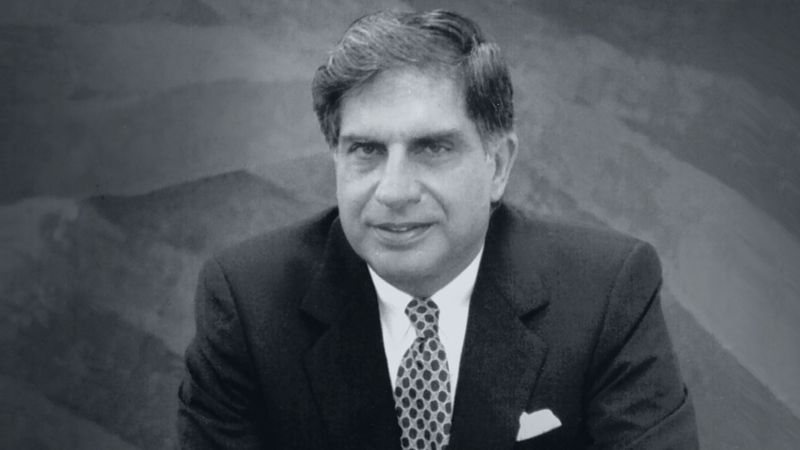
(The picture credit goes to Francis Souza who sketched Mathai’s portrait in 1976.)



MAM
BLS International launches #VisaReady campaign to guide applicants
Initiative targets visa myths, delays and rejections with practical guidance

MUMBAI: Visa woes may soon meet their match because paperwork, it seems, is finally getting a user manual. BLS International has rolled out a new awareness drive, #VisaReadyWithBLSInternational, aimed at simplifying the often confusing visa application process and reducing delays caused by misinformation and incomplete documentation. The campaign, led across social media platforms, zeroes in on a long-standing pain point for travellers: lack of clarity around procedures, timelines and requirements. By offering step-by-step guidance, documentation checklists and clear Dos and Don’ts, the initiative attempts to turn what is typically a stressful process into a more predictable one.
At its core, the campaign also seeks to bust common myths that frequently derail applications issues that often lead to avoidable rejections or last-minute complications. The idea is to equip applicants with practical, actionable insights so they can plan better and submit stronger applications within expected timelines.
The push will not remain limited to digital channels. BLS International plans to extend the initiative across its Visa Application Centres globally, reinforcing awareness at key touchpoints where applicants engage with the process.
BLS International joint managing director Shikhar Aggarwal framed the campaign as more than a communication exercise, emphasising the company’s attempt to embed guidance and preparedness into every stage of the applicant journey.
Operating in over 70 countries and working with more than 46 client governments including embassies, consulates and diplomatic missions, the company has built a sizeable footprint in visa and consular services. With this campaign, it is now leaning into education as much as execution, signalling that in the world of visas, clarity might just be the new currency.