I&B Ministry
Nod to Idea, Star Den & four may fetch Rs 1200 cr FDI; You & Crest proposals deferred

MUMBAI: Inter-ministerial body Foreign Investment Promotion Board has okayed six investment proposals, including Idea Cellular and Star Den Media Services expecting an investment of Rs 1,200 crore (USD 176.5 million).
Idea Cellular Infrastructure Services (ICISL) had filed an application to raise foreign investment level in it to 67.5 per cent. ICISL is a wholly-owned subsidiary of Idea, which has become a foreign-owned firm with more than 50 per cent overseas investment. Star Den Media Services Pvt. Ltd. develops and distributes television, cable, and the related network platforms. It offers a platform for distributing television channels in India through all fixed networks including cable, direct to home, and internet protocol television.
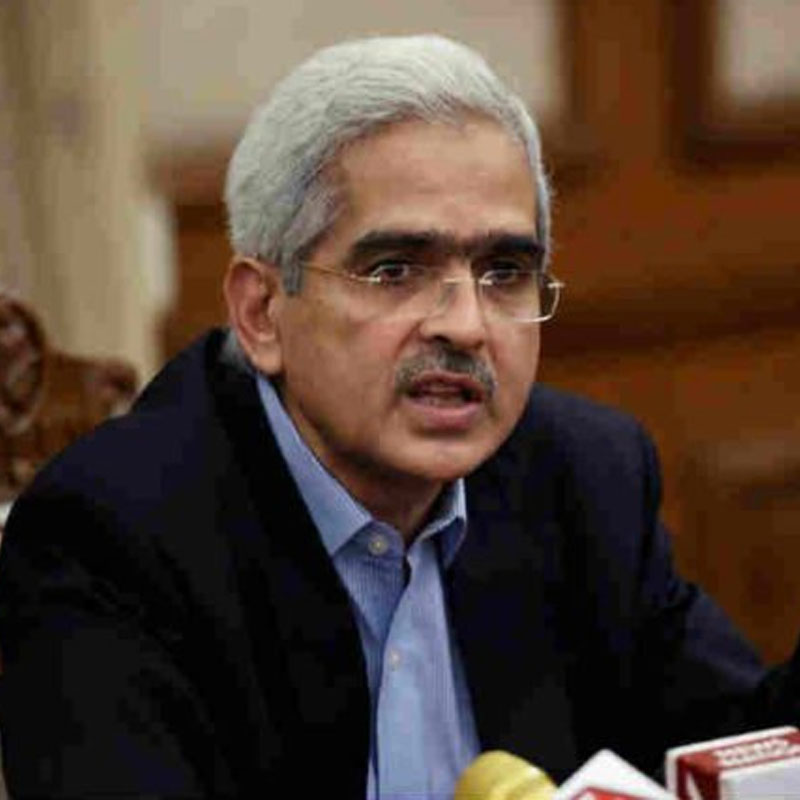
Other proposals which got a go-ahead are — Sanofi Synthelabo India, Boehringer Ingelheim India, A Menarini India Pvt Ltd and Recipharm Participation. The FIPB, led by the economic affairs secretary Shaktikanta Das, rejected three proposals, including AMP Solar India Pvt Ltd. and six proposals were deferred for further consultation and want of more information.
Among the proposals deferred were You Broadband India, Crest Premedia Solutions and Scientific Publishing Services.
Indiantelevision.com had earlier reported that the board will consider 17 foreign investment proposals on 28 December, including that of Star Den Media.
FIPB had in June this year rejected a proposal of Flag Telecom Singapore, a wholly-owned unit of Reliance Communications (RCom), to set up a telecom subsidiary in India. Flag Telecom reportedly planned to acquire a company, payout for which would have been around US$120 million — in two parts.
India allows FDI in some of the industry sectors via the automatic route, but, in certain segments that are considered sensitive for the economy and security, the proposals need to be cleared by FIPB first. FIPB had earlier met on 26 September to consider foreign investment proposals, including that of Idea Cellular.
The Indian government has taken a series of measures in the recent past to give a fillip to foreign direct investment. In the first half of the current fiscal year, the inflows were USD 21.62 billion. FDI increased by 29 per cent to USD 40 billion in 2015-16 as compared to the previous fiscal.
Also Read:
Star Den, Flag Telecom, You & Idea FDI meet on 28 Dec
Govt defers decision on FDI for Vodafone to acquire You Broadband