Hindi
Dismal releases help last week’s film to turn lucky at the Box Office

MUMBAI: With dismal releases, the week proved lucky for last week’s ‘Badrinath ki Dulhaniya’ as none of the three films fresh releases this week managed to create any impact on the viewers.
Govinda attempted a make comeback with a stale home production, Aa Gaya Hero, which had been gathering dust for a few years now. Having somehow managing to bring an end to this patchy enterprise, the film was finally released with multiplexes offering it scattered screen times at odd hours. The film will not only loose whatever was spent on producing it but also the monies that went towards releasing it.
The other enterprise Machine had some family interest at stake, though not financial. Director duo Abbas Mustan used the film as a launch vehicle for Mustafa Burmawala, son of Abbas. As it turned out, neither did Mustafa have potential nor were Abbas Mustan tuned in with what the audience seeks now. The script seemed to be a recall of their past films. It lacked the chemistry between the romantic pair and music that such a love story needs.

The third release Trapped was an utter torture. Following foreign trends is fine but knowing which audience one is catering to matters more. Expectations were too high for a non-face value negative film of 113 minute duration to work.
In such a situation, Badrinath Ki Dulhania stands a chance to better its figures in the second week, since the film does offer some entertainment.
Aa Gaya Hero, earlier titled Abhinay Chakra, may not even be able to cross the one crore figure as its lifetime business. With an opening day figures of Rs 25 lakh, the film has managed to collect just about Rs 70 lakh for its opening weekend.
Machine opened with Rs 60 lakh on Friday, which spells disaster for its investors. For its opening weekend, the film collected Rs 1.6 crore.
Trapped, the most unbearable film of the week, suffered the worst fate despite some positive words from a few critics.With just about Rs 30 lakh on its opening day, the film managed to collect Rs 1.4 crore for its first weekend.
Badrinath Ki Dulhania emerged a winner. After an opening weekend of Rs 54.7 crore after facing Holi and North India election results, it added another Rs 17.9 crore through the week to take its first week total to Rs 72.6 crore.
Commando 2 has collected Rs 1.8 crore in its second week. This takes its two week tally to Rs 23.6 crore which is far off the mark.
The Ghazi Attack collected Rs 95 lakh in its fourth week to take its four week total to Rs 18.9 crore. Jolly LLB 2, at the end of its run, has added Rs 35 lakh in its fifth week taking its total to Rs 106.55 crore.




Hindi
Rajesh Ramaswamy exits The Script Room to focus on filmmaking journey
Ad filmmaker steps away from own venture to pursue direction and storytelling
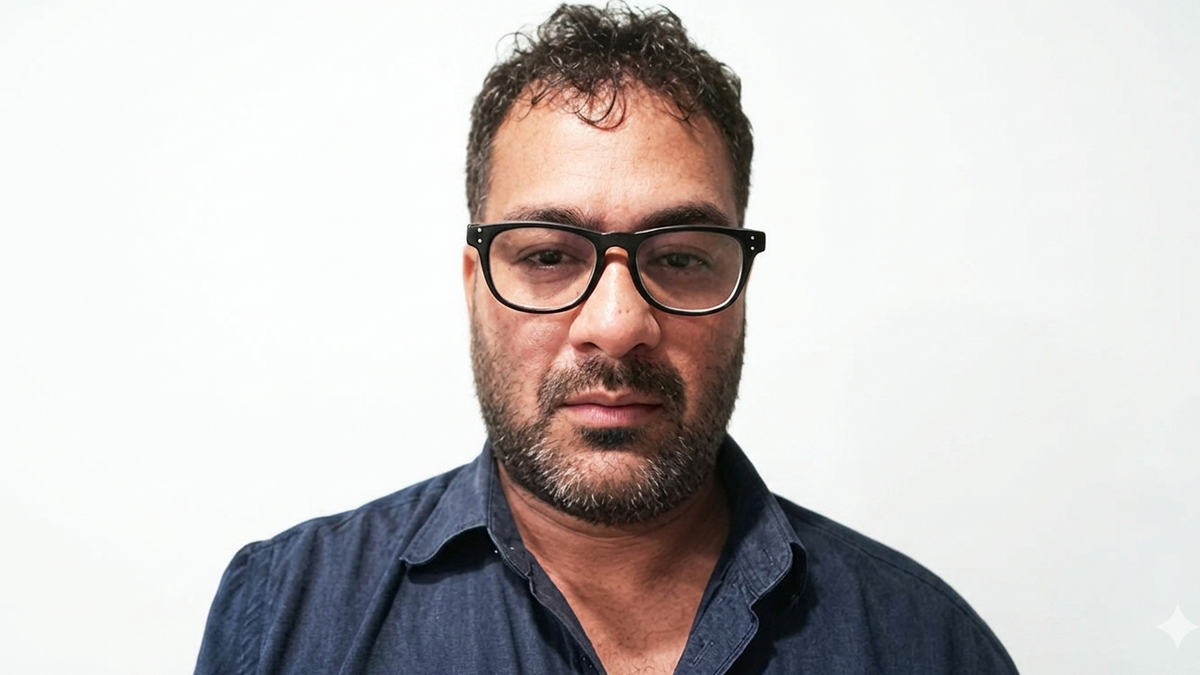
MUMBAI: In a move that has caught the attention of the advertising and creative community, Rajesh Ramaswamy has announced his exit from The Script Room, the company he co-founded, marking the end of a seven-year stint at the helm.
The decision, which came into effect earlier this month, signals a shift in focus for Ramaswamy, who is now looking to immerse himself fully in filmmaking and direction as an independent creative.
Known for blending sharp advertising insight with storytelling craft, Ramaswamy has been instrumental in shaping The Script Room into a creative hub that delivered campaigns, branded content, and original storytelling formats. Over the years, the company collaborated with agencies, directors, and a wide network of writers, while also experimenting with formats such as short films and web series.
Sharing his thoughts on the transition, Ramaswamy indicated that the move is driven by a desire to focus and explore stories he has been developing over time. While he acknowledged the unconventional nature of stepping away from one’s own venture, he also framed it as a necessary leap toward clarity and creative pursuit.
Importantly, The Script Room will continue its operations with its current team and leadership, with Ramaswamy expressing confidence in the group that helped build the company’s identity. The studio, he noted, remains well-positioned to evolve further with fresh talent and ideas.
His exit also reflects a wider industry trend, where experienced advertising professionals are increasingly transitioning into independent filmmaking, tapping into the growing opportunities across digital and long-form content platforms.
As Ramaswamy steps into this new phase, the move underscores a familiar creative instinct, sometimes, the boldest ideas begin with a clean break.