iWorld
ALTBalaji starts mid-Apr, ties up with Micromax & Mobikwik
MUMBAI: The digital platform of Balaji Telefilms, ALT Balaji has announced a strategic partnership with a mobile brand Micromax to help its users get access to exclusive ALTBalaji content and mobile wallet Mobikwik.
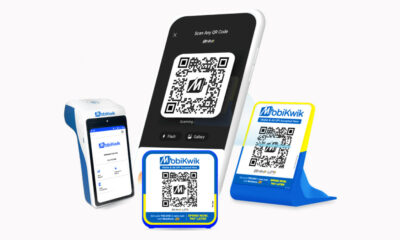
The global on entertainment platform ALTBalaji, will offer 250 hours of original content and subscribers can now avail 25 per cent cashback while paying for the service using MobiKwik wallet. The partnership will provide an easy payment facility to MobiKwik’s 55 million registered users to enjoy ALTBalaji.
Speaking on the partnership, ALT Digital Media Entertainment limited CEO Nachiket Pantvaidya said, “With the partnership of Micromax, we will take our repository of original shows, exclusively available on ALTBalaji to the urban masses. Our ALTBalaji app would be bundled on Micromax devices for frictionless download experience, for them to enjoy over 250 hours of original, exclusive content. Micromax will distribute these original shows to its 30 million users via its digital properties. This collaboration makes ALTBalaji the only original digital content generation platform to reach viewers on such a massive scale.”
He further added on partnership, with Mobikwik, “With a vision to create a better consumer experience, the partnership with MobiKwik will facilitate frictionless connection between our subscribers and ALTBalaji. This convenient payment option will allow our consumers to subscribe to our original and exclusive content with ease. We are glad that MobiKwik which is a pioneer in the wallets business will open a new consumer base to our service.”
ALTBalaji, the subscription based digital entertainment platform, will be commercially available from mid-April. The app will be launched with six new shows and will be followed with a new show every 15 days for its viewers to binge watch. The content is created by some of the best talents of Indian Entertainment industry including critically acclaimed directors and actors. The long illustrious list of artists comprises of Nagesh Kukunoor, Juhi Chawla, Nimrat Kaur, Rajkumar Rao, Hansal Mehta, Sakshi Tanwar, Ram Kapoor, Atul Kulkarni, Sameer Soni, Yudhishtar Urs, Dipannita Sharma Atwal, and more.
By joining forces together, ALTBalaji and Micromax are attempting to change the way digital content is consumed in India. Created to provide an alternative to mainstream Indian entertainment & TV content, ALTBalaji will bring fresh & interesting stories to audiences in varied genres. The platform will offer more than 250 hours of original content in the first year of it’s launch.
MobiKwik also powers payments for the IRCTC service and can target the users based on the long distance rail tickets that they have purchased, allowing ALTBalaji to offer the service to these customers who are otherwise starved of entertainment or must consume the same content available elsewhere.
MobiKwik business head Bikram Bir Singh said, “This association is in line with our endeavor to make MobiKwik payments ubiquitous.”

iWorld
Tech firms tweak office operations amid LPG shortage concerns
Infosys, HCLTech and Cognizant adjust cafeteria services and work policies.
MUMBAI: When geopolitics turns up the heat, even office cafeterias start feeling the burn. Several technology companies in India are adjusting workplace operations and food services as concerns over a nationwide shortage of liquefied petroleum gas (LPG) grow following escalating tensions in West Asia. Major IT firms including Cognizant, Infosys and HCLTech have begun rolling out contingency measures to reduce dependence on office cafeterias that rely heavily on commercial LPG.
The disruption stems from rising geopolitical tensions involving Iran after military action by the United States and Israel reportedly led to the closure of the Strait of Hormuz, a critical global shipping route for oil and gas supplies. The closure has disrupted the movement of LPG and liquefied natural gas across international markets, triggering concerns about supply constraints and price volatility.
According to a report by The Times of India, Cognizant has advised employees to bring their own meals to office where possible to reduce reliance on office cafeterias dependent on LPG based cooking.
The company has reportedly told staff that it is preparing for potential disruptions driven by supply prioritisation, price fluctuations and pressure on vendor networks.
As part of contingency planning, Cognizant is identifying alternative food vendors that do not rely on LPG. These include kitchens using induction based or solar powered cooking systems.
The company is also exploring partnerships with cloud kitchens that operate on electric or solar power to ensure uninterrupted food supply in case conventional cooking gas availability worsens.
Additionally, Cognizant is evaluating the possibility of expanding work from home or hybrid arrangements for non critical roles, partly to reduce commuting exposure if fuel prices rise sharply due to global energy disruptions.
Meanwhile, HCLTech allowed employees at its Chennai office to work from home on March 12 and March 13 after cafeteria vendors were unable to operate because of the LPG shortage.
Several food service vendors at the campus reportedly suspended operations as they struggled to secure cooking gas supplies, prompting the company to permit staff to work remotely for the two days.
Infosys has also issued internal advisories across multiple locations, including its campuses in Bengaluru and Chennai.
The company informed employees in Bengaluru that cafeteria services would continue but with reduced menu options due to concerns around commercial LPG availability.
As part of the temporary adjustments, live food counters have been suspended, and employees have been encouraged to bring home cooked food while the situation evolves.
While LPG shortages in India remain a developing situation, the measures taken by these technology firms highlight how global geopolitical disruptions can ripple through unexpected corners of the economy, even the humble office lunch.
For companies with large campuses and thousands of employees relying on daily cafeteria services, cooking fuel shortages can quickly turn into an operational challenge. Until global supply chains stabilise, many workplaces may find themselves rethinking everything from food sourcing to flexible work policies.