Cable TV
SITI Networks’ transformation begins with slashing of bloated workforce


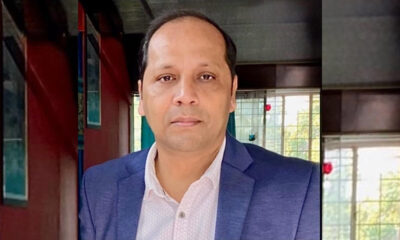
MUMBAI: The breeze of change is being felt at the Essel Group-owned SITI Networks. Work is on to claw the 13-million subscriber base strong MSO – which has estimated accumulated losses of Rs 650-odd million – back to profitability. And, the Essel group chairman Subhash Chandra is relying on the chief transformation officer Rajesh Sethi to do the job.
According to an industry observer: “All the major publicly-listed MSOs have to spruce up and streamline their operations keeping in mind the digitisation of cable TV. Almost all the companies’ financials are in a bit of a mess. Some more, some less. Siti Networks is no different. Hence, Sethi has his task cut out for him.”
The SITI Networks scrip – like other listed cable TV companies – has been languishing at its lowest – somewhere in the Rs 22-25 range, after reaching a 52 week high of Rs 41.35, and in the Rs 30 range for the past two years.

Amongst the first things Sethi decided to do after agreeing to take up Subash Chandra’s challenge is making presentations to investors overseas, admitting that mistakes have happened in the past, assuring them that he is seeking to rectify them with the backing of the promoters.
“Subhashji is very passionate about TV distribution and he wants to really get the company on track,” says Sethi.
Sethi has earned his stripes by building Ten Sports as a brand (before the Goel family finally sold its sports TV channel network to Sony earlier this year), and later looking after the distribution of the Zee group channels. He was then asked to take over SITI Networks’ management as CEO & ED but he preferred the title of chief transformation officer.
Sethi has been instrumental in roping back former Airtel hand Sanjay Berry as chief financial officer, who rejoined the company on 1 September. Berry had joined SITI Networks for a brief stint of three months earlier this year.
“We are committed to getting things in order,” says Sethi. “It will take time, but we will do it. People, processes and product are what we are focusing on.”
Sethi has spent the past few months reviewing SITI Networks’ operations. And his discovery was that the company had a bloated workforce: 3,500 employees, and 500 field offices – 22 in Delhi alone.
Hence, last week, he wielded the axe on headcount. Close to 670 employees were issued pink slips, with three months severance pay. Almost 100 of those asked to go were in administration. “Cost-cutting is imperative,” says Sethi. “These were people who were hired over the years, and they were there.”
Sethi points out that he has retained most of the sales force of SITI Network. “We have to keep the money coming in,” he says, with a smile.
What next? “Get the basics of business right. And, take up initiatives that bring in revenue,” he says.
That should give a lot more confidence to SITI Networks’ shareholders and investors.
ALSO READ :
Siti Networks’ operating profit more than doubles in first quarter
Comment: Jawahar Goel gets into the boxing ring with iron gloves
Rajesh Sethi re-designated chief biz transformation officer of Siti Networks