Hindi
Film entertainment overcame many hurdles, not this time

From the beginning of the Ganesh festival till Diwali, is generally considered a dull period. Even if one discounts the belief that the Shraddha period of 15 days post-Ganesh festival is considered inauspicious for releasing a new film as well as taking up any new venture and so, movie going is the last priority.
Film entertainment has overcome many hurdles like the introduction of television in India, telecast of films and film based programmes, colour television, video player, CD and DVD, the cricket cups and the IPL. However, it has not been able to overcome this slot of poor run for films.
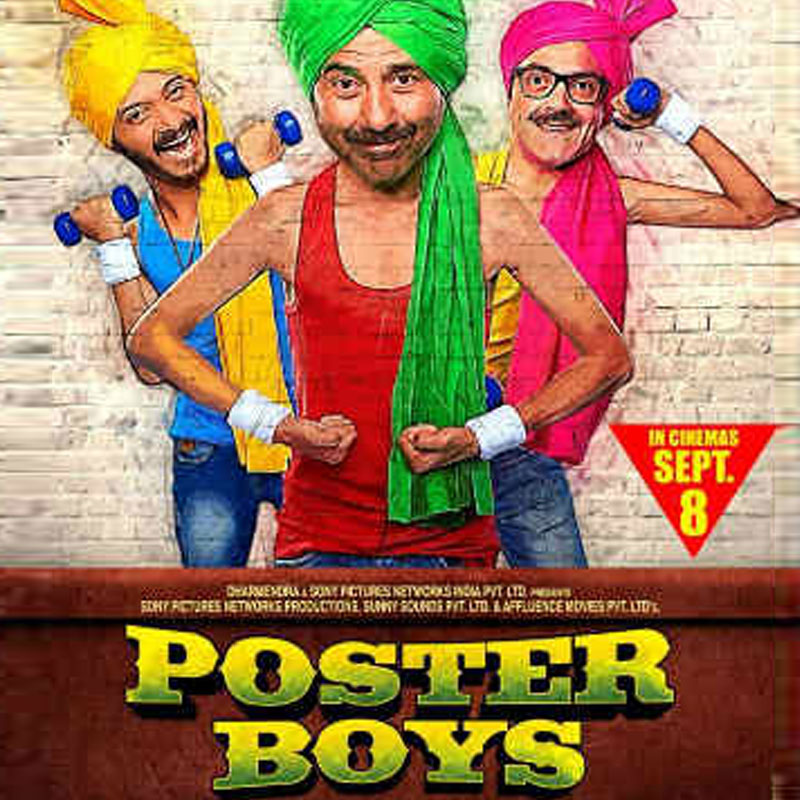
Why this misadventure then of not waiting out a couple of weeks for an opportune period for release? Especially, in the case of Poster Boys, which happens to be the debut film for actor turned director, Shreyas Talpade. Also, in consideration was the fact that the film’s performance could have meant a breather for the brothers, Sunny and Bobby Deol, whose careers are in limbo for some time now.
*Poster Boys, a comedy with rural background, has a kind of old-fashioned touch to it. A remake of the Marathi film, Poshter Boyz, it had gone well with the Marathi audience. But, the cast in the theme limited the film’s business prospects to mainly Hindi belt, leaving out Maharshtra and most of South.
The film managed poor opening response with the first day figures remaining low at Rs 17 million with Saturday showing only a marginal increase. On Sunday, the film was at its best yet, not good enough at about Rs 30 million as the film managed to collect barely Rs 71 million for its opening weekend.
*Daddy, a film about the local Mumbai don, Arun Gawli, had some curiosity value mainly because of Arjun Rampal essaying the role of the gangster.
While, it has been proved that films on dons don’t work be they from Mumbai, UP or Bihar, the film’s drawback was that even in Mumbai, Gawli’s reign was limited to a pocket of Mumbai, this kind of dons existed in just about every area in Mumbai and they were called Dada. If anything that made Gawli come to limelight, it was his enmity with the bigger dons.
An earlier film on Gwali, Dagdi Chwal, was made in Marathi language and had been dubbed in Hindi. While the original Marathi version did well, the dubbed version failed. Daddy has got the opening that was expected, poor, and just about managed to cross Rs 10 million figure on its day one with a negligible increase on Saturday and Sunday, which did not add up to much. The film closed its opening weekend with Rs 41 million.
*Badshaho added about 50 per cent of its weekend collection over the next four days taking its first week total to Rs 54.4 million. The film has shown a downward trend during its second weekend.
*Shubh Mangal Saavdhan maintained steady after its opening weekend, albeit, on the lower figures. The film collected Rs 223 million for its first week.
*A Gentleman dropped badly in its second week by collecting 73 lakh to take its two week tally to Rs 162.5 million.
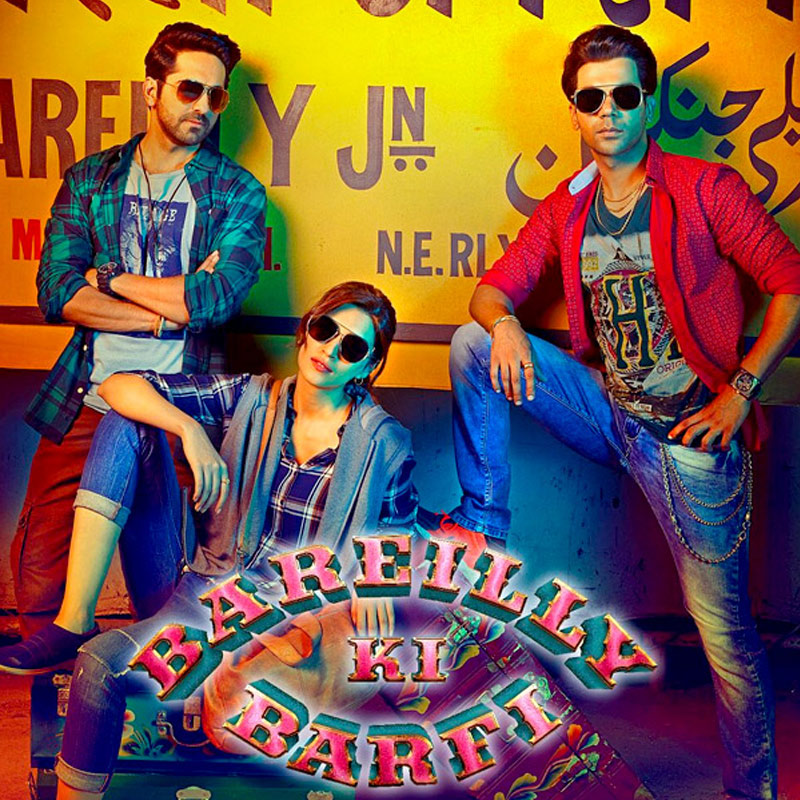
*Bareilly Ki Barfi has added Rs 31 million in its third week to take its three week total to Rs 319 million.
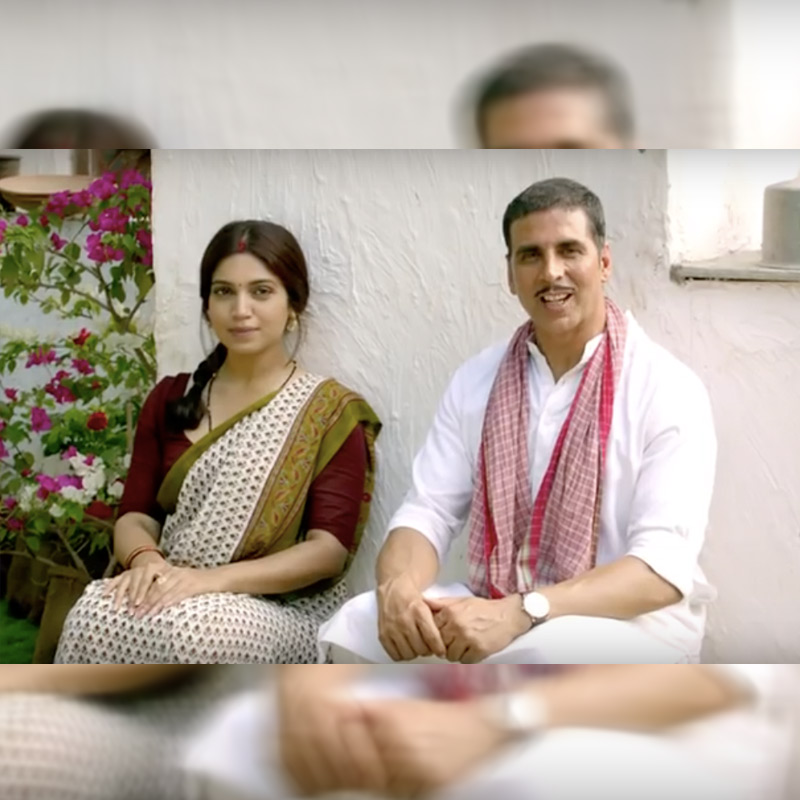
*Toilet Ek Prem Katha continued to draw footfalls. It added Rs 17 million in its fourth week taking its four week total to Rs 1.284 billion.