Hindi
Women filmmakers’ northeast works to be highlighted at India fest in NY

NEW DELHI: Three films from northeast India and a special focus on films made by women filmmakers will be the highlights of the second edition of the India Kaleidoscope Film Festival (IKFF) to be held in New York next month. The festival is being presented by the Museum of the Moving Image (MOMI) and The India Centre Foundation (ICF) from 9 to 12 November 2017.
Drishyam Films’ Kadvi Hawa directed by Nila Madhab Panda will open the festival and it will close with Director Prakash Kunte’s Cycle. Actor-turned-produced Priyanka Chopra’s Pahuna and Anurag Kashyap’s Mukkabaaz will also feature at the festival.
The films to be screened will explore the most relevant and pressing topics facing the subcontinent, are being made by today’s most progressive filmmakers working in regional languages. This year, India Kaleidoscope will span seven different regional Indian languages and include new programming initiatives that bring independent regional Indian cinema to an even wider audience.
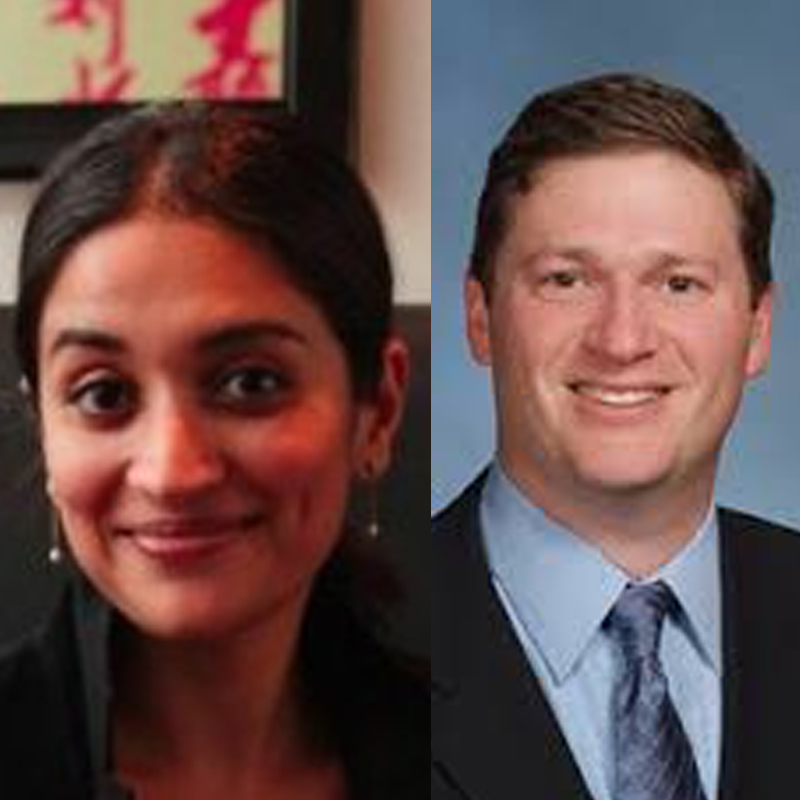
The India Centre Foundation Founding Director Priya Giri Desai said “It is an honour to offer these cinematic works to the film-going community and to give exposure to new sights, sounds and languages from across the Indian subcontinent.”
Museum of the Moving Image Chief Curator David Schwartz said, “India Kaleidoscope, in just its second year, is already making a great impact as a showcase for the incredible diversity of Indian cinema, with its focus on artistic and independent films from the many regions of this sprawling, culturally rich country.”
“Indian cinema today is independent and regional language cinema, and these films represent the best and most exciting work from the country. We are thrilled to present this eclectic and wholly original selection of films and filmmakers to the New York and US audience,” said Sudeep Sharma, Festival Programmer.
India Kaleidoscope Film Festival 2017 will screen eight feature films, seven of which will be US or North American premieres. Most of the films will feature directors in person, and a major chunk of the programming lineup feature films directed by women filmmakers.
In an effort to expand IKFF to wider audiences, this year’s closing night screening will be held at the SAG-AFTRA Foundation Theatre in Manhattan. All films will be screened with English subtitles.
The IKFF 2017 programming committee includes Priya Giri Desai (The India Center Foundation), Ashok Sinha (The India Center Foundation), Priyadarshini Shanker (NYU Cinema Studies), Anupama Kapse (Loyola Marymount), Tristine Skyler (Writer and Producer), Ritesh Mehta (Film Independent) and Sudeep Sharma (Film Programmer); with additional programming support from Uma da Cunha and Christina Marouda (Museum of the Moving Image, IFFLA).
The films are: Kadvi Hawa in Hindi stars Sanjay Mishra, Ranvir Shorey, and Tillotama Shome; Mukkabaaz in Hindi has Vineet Kumar Singh, Zoya Hussain, and Jimmy Shergill; Sonar Baran Pakhi by director Bobby Sarma Baruah in Rajbangshi stars Pranami Borah, Arati Barua, and Pranjal Saikia; Prakasan by Director Bash Mohammed stars Dinesh Prabhakar, and Laya Krishna; Pahuna by director Paakhi Tyrewala in Sikkimese stars Ishika Gurung, Anmoul Limboo, and Manju KC Nanu; and Cycle by director: Prakash Kunte in Marathi stars Hrishikesh Joshi, Priyadarshan Jadhav, and Bhalachandra Kadam.
The documentaries are Up Down And Sideways (Kho ki pa lü) by directors Anushka Meenakshi and Iswar Srikumar in Chokri on rice cultivators, and Last Days. Last Shot by director Sumira Roy in Hindi/Bengali/Bhojpuri on how Life and death co-exist every day on the banks of the Ganges in Varanasi.
ALSO READ :
Maiden Indian film fest in Poland honours Koirala, Mittra
Two internationally renowned Indian films get country premiere at MAMI
NY Indian Filmfest: ‘Mukti Bhawan’ is best feature, short on Kejriwal is best docu
L’Oreal Paris ambassadors brighten red carpet at Cannes Film Festival