I&B Ministry
M&E items get GST relief from 15 November 2017

NEW DELHI: In a major relief to the media and entertainment (M&E) sector, the goods and services tax (GST) has been slashed on a large number of items including electrical apparatus for radio and television broadcasting from 28 per cent to 18 per cent.
Although the government has failed to address the primary issue of entertainment tax which is a great dampener in view of the losses due to video piracy, the reliefs announced are a winner. The change in taxation is effective from midnight of 15 November 2017.
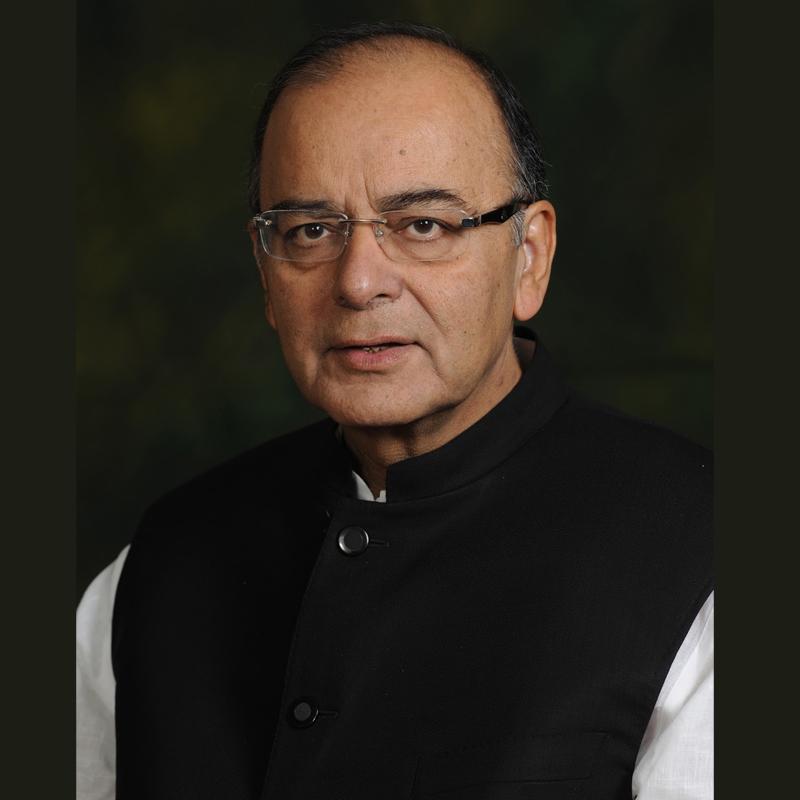
In its last meeting held in Guwahati in Assam, the GST council under the chairmanship of finance minister Arun Jaitley agreed to cut the GST on several items in the M&E sector.
Goods on which the council had recommended reduction of GST rate from 28 per cent to 18 per cent in the M&E sector are:
1. Electrical apparatus for radio and television broadcasting
2. Sound recording or reproducing apparatus
3. All musical instruments and their parts
4. Cinematographic cameras and projectors, and image projector.
The cable TV sector may also get some relief as the relaxation also covers:
5. Wire, cables, insulated conductors, electrical insulators, electrical plugs, switches, sockets, fuses, relays, electrical connectors
6. Electrical boards, panels, consoles, cabinets etc for electric control or distribution
Apart from this, the council announced exemption from IGST/GST in temporary import of professional equipment by accredited press persons visiting India to cover certain events, broadcasting equipment, sports items, testing equipment, under ATA carnet system. These goods are to be re-exported after the specified use is over.
The council also said that in order to obviate dispute and litigation, it is proposed that irrespective of whether permanent transfer of Intellectual Property (IP) is a supply of goods or service:
(i) permanent transfer of IP other than Information Technology software attracts GST at the rate of 12 per cent.
(ii) permanent transfer of IP in respect of Information Technology software attracts GST at the rate of 18 per cent.