Brands
Godrej aims to make its Locks synonymous with safety

MUMBAI: High-tech is changing the way we live. People take advantage of advances in technology but not so much when it comes to our home door locking system. A majority of people still use traditional locking systems which may not be enough to deter criminals from breaking in and taking valuable items.
What exactly does a burglar think while breaking in? How easy or difficult is it for him to intrude in our homes? Wouldn’t it be great if we could get these answers straight from the horse’s mouth?
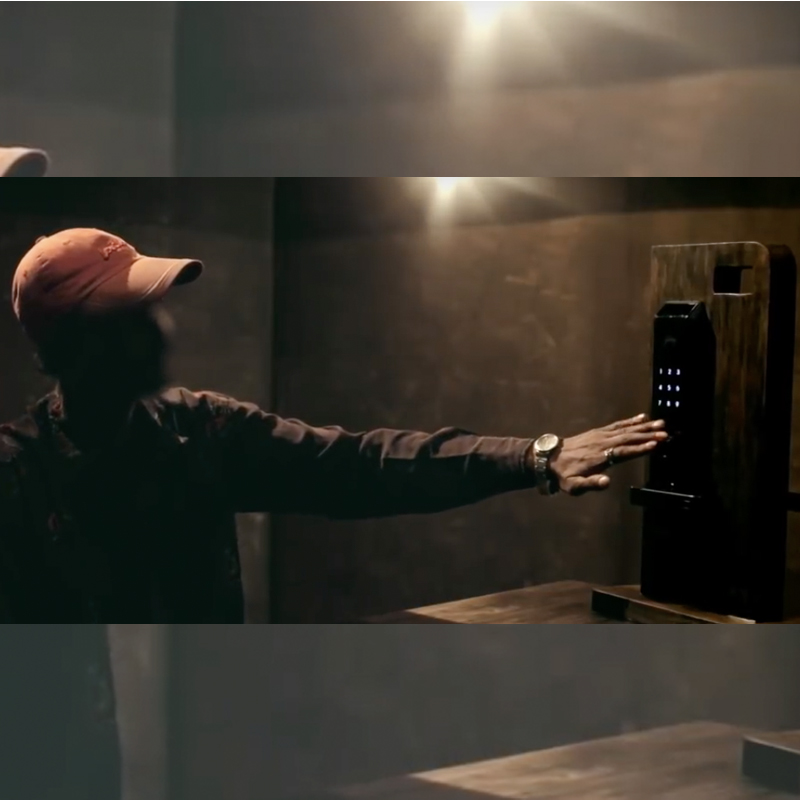
That is exactly what Godrej has done in its latest campaign #HowSafeAreYou to raise awareness on home safety by releasing a series of three videos that ‘unlock the mind of a robber’. Urging homebuyers to be proactive in their approach to safety, Godrej Locks has launched a series of interviews on digital mediums that captured three reformed robbers speaking on their modus operandi. These videos go beyond giving consumers insights into what deters a robber from attacking a home and break a few myths too.
As a part of creating awareness about new and advanced locking solutions, Godrej worked closely with architects and carpenters by training them as a majority of purchase decisions in India about locking systems are directed to these professionals. Godrej Locking Solutions and Systems executive VP and head of business Shyam Motwani says the objective of the campaigns was to promote awareness on safety and the risk associated with it due to the lack of it.
The digital campaigns were created by Whyness Worldwide, which is fairly a new kid on the block, though the company is led by Ravi Deshpande who has been in the media world for quite some time. Motwani assigned creative duty to the agency as he believes Whyness team has adapted to the changing dynamics of the industry where agencies have to deliver more than the traditional advertising agencies.
It took a period of two months for the team to decide on the cast for the ads, which turned out to be actual former robbers. Produced by Blue Drop, the films are directed by Nikhil Mahajan and it took extensive research and meetings to source out three former robbers who were willing to speak about their extraordinary experiences and home safety tips on camera. The ad films were all shot in just a day’s time. The agency took utmost care that the real identities of the ex-robbers remains protected.
But why the agency decided on using real robbers, one may ask. To that, Whyness Worldwide vice president of creative Ranjit Sasidharan explains, “We asked ourselves, what would make the world sit up and take notice of the topic of home safety? The answer was, real ex-robbers revealing their modus operandi and offering home safety tips. An ex-robber speaking about robberies makes for an almost irresistible and disruptive digital content.”
Focused only in top metros as of yet, Godrej will use these digital ads in cinemas starting December which will also be supported by BTL activities to promote its safety mechanisms.
To this, Sasidharan from the agency adds, “The ex-robbers’ digital films are planned as part of a larger campaign to make Godrej Locks synonymous with safety. We shall be rolling out further additions to the campaign soon.”
Over the last few years, Godrej has seen a dynamic shift in its advertising spends. The company spends heavily on digital, a small amount on print and absolutely nothing on television. The company’s investment on digital is increasing 2x every year. Motwani says, “We are doubling our spends on digital and it is not only an increment by a certain percentage but rather on an exponential level. It will only grow further.”
Motwani didn’t reveal the company’s targeted revenue or expected margins as he is still waiting for the new GST regime to pan out completely. “We will be able to make assessments only by January or February,” he concludes.