MAM
FabIndia sets aside 40% on digital advertising

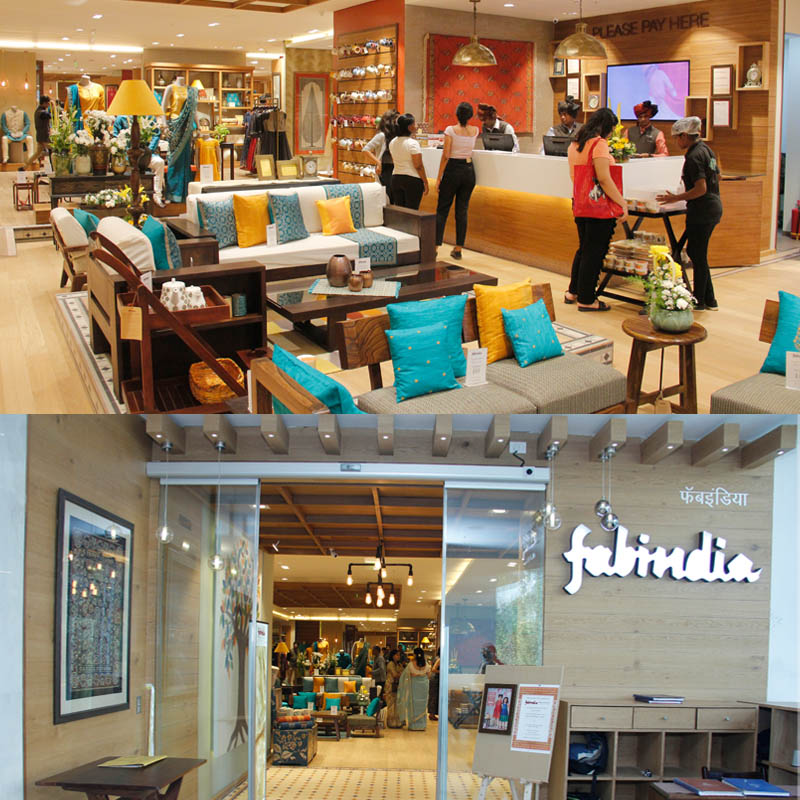
MUMBAI: Get India to explore India’s diverse culture and craft – that’s the target FabIndia has set for itself. The retail chain sells everything from garments to furnishings to ethnic products which are handmade by rural India’s craftspeople.
Established in 1960 by John Bissell, an American working for the Ford Foundation, FabIndia started off by exporting home furnishings, before stepping into domestic retail in 1976, when it opened its first retail store in Greater Kailash, New Delhi. 40,000 artisans are engaged in employment for sourcing its products today.
But a lot has changed in the last 60 years. The media outlets have changed, consumers have evolved, business has transformed and so has the economy. To keep pace with consumers’ changing needs, FabIndia has introduced a new way of shopping for its customers in the form of experience centres. In addition to this, it houses a Fabcafé, an interior design studio, an organic wellness centre and an alteration studio.
First piloted in March in Delhi this is the second such experience store for the retailer. The next store in line to get the experience centre will be FabIndia Kala Ghoda, Mumbai which should be ready to launch by April 2018. The company plans to have a total of 10 centres by 2018 spread out in Delhi, Mumbai and Bangalore.
With changing times, brands ought to evolve and tweak their communication with audience from time to time. Brands today are shifting gears and investing more on digital platforms and shrinking traditional media ad spends (television, print and OOH). FabIndia spends 40 per cent of the advertising budget on digital platforms by creating customised content for audiences on platforms like Facebook, Google, Instagram and Twitter. The brand has become increasingly strong on digital and social on the last five to six months.
Although the brand deals with premium customers, FabIndia head of brand and marketing Karan Kumar suggests that FabIndia is a category in itself and hence cannot be included in any price range. “Our product line starts from under Rs 1000 and goes beyond Rs 10,000. We cut across all kind of income brackets and demographics,” he says.
Undeterred by rivals, Kumar says, “We don’t consider any other brand as a competition as our appeal is to a certain customer who resides in the same mind space as us which is a sense of self pride about India and its traditions.”
FabIndia has over 280 stores across India in 95 cities. Despite a presence in smaller towns, the core focus is still urban metros and mini metros. Internationally, it has retail outlets spread out in Italy, Singapore, Dubai, Fiji, Qatar, Central Asia, Middle Eastern and Southern markets but will add more stores in Kuala Lumpur and Malaysia. Being optimistic about overseas business, Kumar adds, “Gradually, we will be looking at various international markets over the next 12-18 months.”
Foreign tourists, who are charmed by the country’s myriad cultures, generate a considerable amount of revenue. But the main chunk of revenue is still from Indian customers. FabIndia made a net profit of Rs 1000 crore last year and is looking at a double digit growth this financial year.