Hindi
BookMyShow reveals how India entertained itself in 2017

MUMBAI: As the year comes to a close, BookMyShow looks back at what entertained India this year, from movies to plays, sports, events and music. In 2017, millions of Indians reached out to BookMyShow to meet their entertainment demands basis which the platform is delighted to present #Bestof2017*.
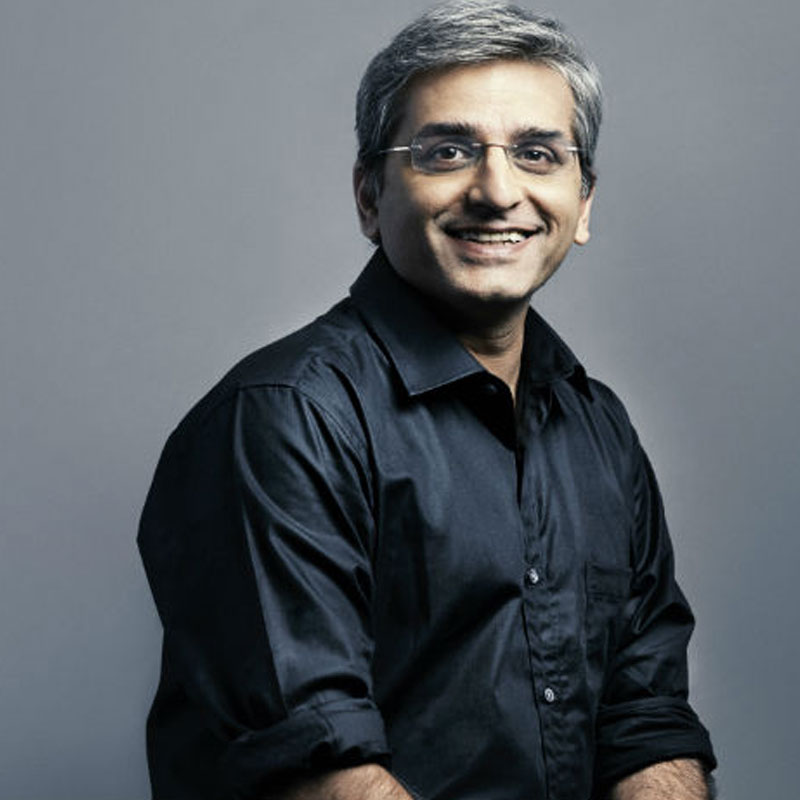
BookMyShow, Director, Parikshit Dar said, “As we near the end of 2017, we’d like that to thank all our customers who chose BookMyShow for all their entertainment needs. Through BookMyShow’s #Bestof2017, we have revisited a truly incredible year. With mega blockbusters like Baahubali 2, mammoth events like Justin Bieber, Ed Sheeran, and classic productions like Mughal-e-Azam, this year the entertainment sector in India evolved and so did the audience. We are happy to have been a significant part of such an amazing journey and are now excited to embark upon the New Year with our customers, with the promise to open up the world of entertainment for them like never before.”
Movies
With over 1450 films that were listed on BookMyShow in 2017, it was clearly the year of Baahubali 2: The Conclusion with BookMyShow alone selling over 16 million tickets for the film which had consecutive run of 175 days at the box office! Following Baahubali 2, was Rohit Shetty’s Golmaal Again and Akshay Kumar starrer Jolly LLB 2.
Here’s some more interesting facts and insights:
The first ticket for Baahubali 2: The Conclusion was purchased on BookMyShow for its Telugu version a month before the release of the film from Banki, a small town in Odisha
Sunday was the most preferred day to watch a film. Well, no surprises there.
Afternoon movie show times were most preferred. Did we all think it would be Night shows?
Hyderabad fans saw the most films this year and gave serious competition to and left behind movie buffs in Mumbai, Bengaluru and NCR in terms of total movie ticket sales
Drama, followed by Action, Comedy, Romantic Comedy and Thriller were the most popular film genres
Regional cinema continued to show impressive growth in 2017 with Gujarati cinema leading the way. Gujarati cinema registered over 44% growth viz-a-viz 2016 in terms of transactions on BookMyShow, followed by Malayalam cinema which registered 38% growth
Movie goers across India preferred Hindi cinema, followed by Tamil, and English cinema


Non-Movies (Including plays, events, and sports)
India went beyond movies and took to non-movie entertainment in a huge way in 2017. BookMyShow saw close to 20% increase in the total number of non-movie listings on the platform viz-a-viz 2016
Indians were highly receptive towards sports. This was clearly evident from the fact that this year the number of sports events listed on BookMyShow increased by over 55% v/s 2016.
Events, on the other hand, including concerts such as by Justin Bieber, Ed Sheeran and A.R. Rahman shown immense promise and potential, registering over 45% increase in terms of ticket sales v/s 2016. A special mention goes to the 31st Surajkund International Craft Mela 2017 that saw lakhs of people who preferred booking their tickets on BookMyShow.
Among power plays of the year, right at the top is Feroz Abbas Khan’s Mughal-e-Azam that mesmerized the audiences in Delhi and Mumbai.
Mumbai, NCR, Pune, Kolkata and Bengaluru showed maximum uptake for non-movie entertainment in 2017.
Jukebox
BookMyShow introduced its audio entertainment service towards the last quarter of the year (September 2017) and here is what people listened to:


Majority of audio content was listened to around 5 pm and on 3G indicating the positive effect of data and smartphone penetration on the digital audio industry.