iWorld
ALTBalaji bets big on first-time producers with Haq Se

MUMBAI: There has never been a better time to be a producer in India. The entertainment industry, despite several challenges, is exploding with consumers willing to lap up stories that were not told before. In the race to experiment and create fresh content, two producers jumped into the pond of content production after being afforded the opportunity by one of the bigger OTT platforms-ALTBalaji.
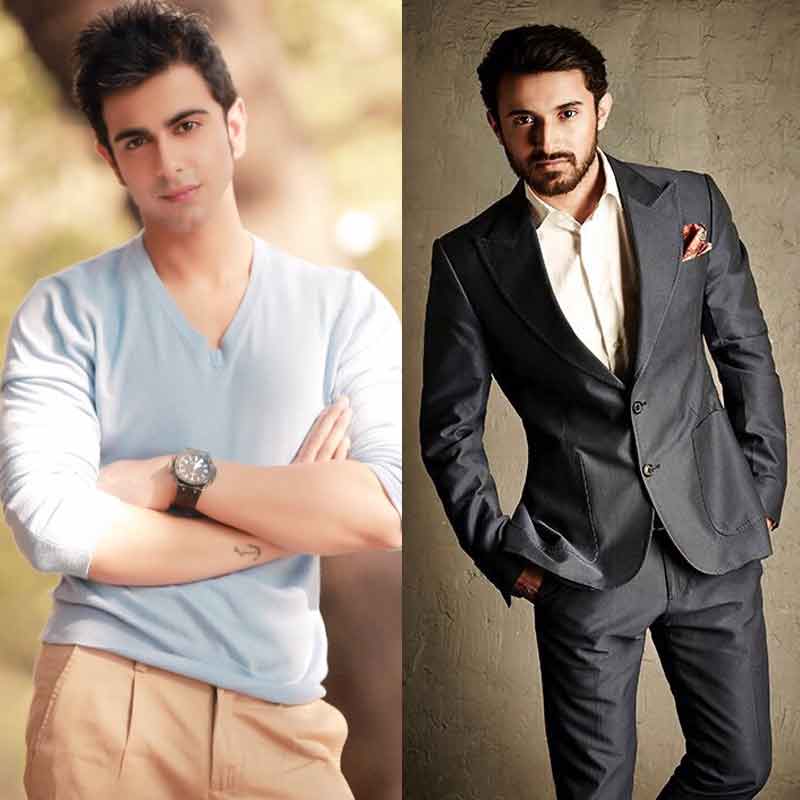
ALTBalaji is all set to kick start the new year with a big bang by launching a new Urdu web series Haq Se in the third week of January. The 20-episode series is an adaptation of classic novel Little Women by Louisa May Alcott, which is produced by the producers of Mano Rama Pictures – Karan Raj Kohli and Viraj Kapur.
This is the first on air project of Kohli and Kapur and they have collaborated with Star Plus for two daily soaps. Manor Rama Pictures is aiming to set their second project with ALT in 2018 and have discussed a brief of another series with them.
The digital series have many film-centric names attached to it, like, Ken Ghosh is the director of the series. The story and screenplay is written by Devika Bhagat, who has written the film Jab Tak hai Jaan whereas Renuka Kunzru wrote the dialogues for us. The star cast includes popular names like Rajeev Khandelwal, Surveen Chawla, Parul Gulati, Simone Singh, Rukhsar, Aanchal Sharma, Nikeesha Rangwala, Pavail Gulati and Karanvir Sharma. Even, the DOP has earlier worked on the projects like Baaghi, and used a multi-camera setup for shooting the series in Manali and Mumbai. The series is filmed on two cameras on most days on Arri Alexa XT.
According to ALTBalaji CMO Manav Sethi, “The series is shot in Manali largely as we wanted to give the backdrop of Kashmir. As far as FY 2017-18 is concerned, this is the second biggest show of ours after Bose. It is a women-skewed show, although the average women-men skew on the platform is 45 and 55. We will be leveraging the marketing on television and largely on digital with an investment under a million dollar. Out of this, 70 to 80 per cent investment will be on digital. The total marketing budget for the year is under $ 10 million.”
In an interaction with Indiantelevision.com, Karan Raj Kohli and Viraj Kapur shared the experience of their first digital project.
Tell us something about your series and your experience while shooting it.
Karan: Ekta Kapoor is a very dear friend, so on a random day we discussed doing a new show together. We met and shot some ideas past each other and then she came up with the idea to work on an adaptation of a classic novel called Little Women. It is a beautiful story based on four sisters in the era of World War II. We decided that we need to Indianise the story considering it’s based on a different time. We started the process and worked on adding more spices in the story, how do we make it more Indian, more coordinated with present age and more relatable to brand India.
We decided to get Rajeev Khandelwal onboard. We also started casting while developing the characters. This was the most special part of the journey. We had several filters while casting. We had to ensure the girls looked Kashmiri and that they had similar features, they could speak a bit of Urdu, and each character stood out but seemed like a part of the same big family.
Is this your first web series?
Karan: Yes, this is our first web series. We would like to call it a digital series, along the lines of other international platforms since this is not a show that releases completely on a social platform. The difference between a digital series and a web series is that the latter is free and meant for snacking and targets audiences that tune in and tune out. Whereas a digital series is paid content that is high concept and has the same challenges that film does to bring audiences to tune in for a fee. So it has to be cutting edge and fresh that is not available to audiences in other mediums i.e. TV or film.
Are you planning for a second season?
Viraj: Yes, we already have a contract in place and are in talks for a second season. Since this is a novel adaptation, we have covered only 75 per cent of the first novel and there are three more sequels to the book so it is going to be a long series. Most probably, we are going to be doing one season a year, anywhere from 15-25 episodes. Digital series is a new medium, so later when things get more streamlined, there may even be two or more seasons in a year. The first season consists of 20 episodes.
How much is the investment per episode?
Viraj: It is a Rs 10-15 crore project. Generally for any web series on ALT, Netflix and Amazon, the budgets range from Rs 25 lakh to Rs 2 crores per episode and per episode cost of this project is somewhere between Rs 50-75 lakh.
Did you get any advertisers onboard?
Viraj: There is no in-film branding since it is paid content. One can tune in to watch episode after a pay-wall for a minimal annual subscription fee. We haven’t started our promotional process yet. But most part of it will be handled by Alt. We are going to have the trailer and episode launch in early Jan.
How many days did it take to complete the shoot?
Karan: 82 days – roughly about 50 days in Mumbai and 32 days in Manali. Our crew was local from Mumbai itself. We did not hire any locals from Manali. We had a line producer who was organising things there. The size of our team was about 100 people excluding juniors and 250+ with juniors.
What are your previous works? What are the two projects with Star Plus?
Karan: Yes, we were doing two projects for Star Plus, one is a finite series with about 100 episodes and the other one is infinite. They are still under wraps and will be on air soon. They are regular telenovela styled shows. However, Viraj and I want to create content that has a social message, a take home for our audiences. We do not want to create content solely for entertainment or for the sake of it. We want to put out content that leaves a lasting impact even after having switched off the TV or having left the cinema hall, something that stays with them, something to really think about right before they sleep.
What are your marketing strategies for Haq Se?
Viraj: Since this is a digital series, we will be relying heavily on digital push like social media and digital mediums to promote this. From our end, we will be setting up interviews next month with the press and will be uploading bytes too on our social media pages.
How are you going to earn from this?
Viraj: We have been commissioned by Alt, we invest the entire amount and they procure it from us. It’s a cost-plus scenario for Manor Rama. However, the IP rights are with AltBalaji.
Were the actors given any kind of special training?
Karan: There were a couple of delays considering the director held workshops with the cast to make them all feel together, like blood bound sisters. We were to shoot the series in Kashmir first, but because of the slight unrest, we decided to shoot in Manali.
At which locations did you shoot?
Karan: We have shot the series in Manali and Mumbai. Each prop in each room to bathroom, everything was sourced locally from Kashmir or designed from scratch. Every single location and thing and even a painting has been created from scratch for the shoot. Same goes for every costume, Winnie Malhotra has designed the outfits.
Other than Urdu, what are the other languages spoken in the series?
Viraj: The series is in Hindi with splashes of Urdu. It is a mix of three languages, i.e., Urdu, English and Hindi, primarily Hindi because we do not want to alienate our audiences, and we need to have mass appeal. But Urdu is very similar to Hindi, so our writers did a lot of research in terms of figuring out the right words, the local dialect etc.
What are your other line-ups for the year 2018?
Viraj: We are in talks with Star TV for two shows for which we have already shot pilots. We have another project that is still in the writing process. We are also making a film, that’s under wraps right now, but will be announced early next year.
Also Read –
Regional content on ALTBalaji to constitute 15% of show hours
Ragini MMS Returns to ALTBalaji with racy marketing
ALTBalaji show Bose ‘anthem of protest’ is full of adrenaline, says Hansal Mehta