iWorld
Times Bridge invests in MUBI streaming service

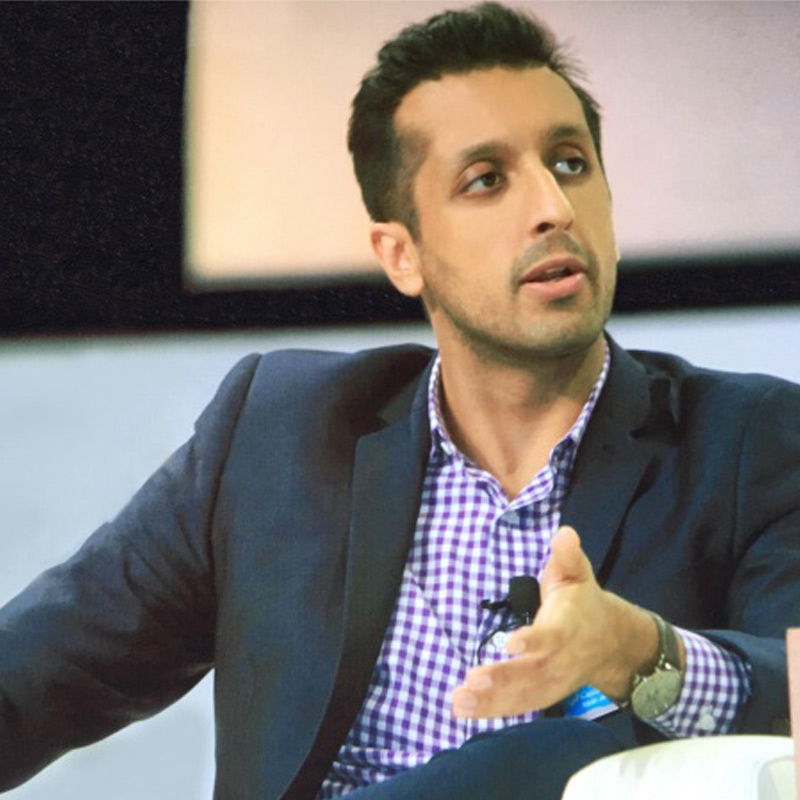
MUMBAI: The investment arm of the Times of India group, Times Bridge, and Danish film-maker Nicolas Winding Refn have invested in specialty streaming service MUBI. The terms of the deal remain undisclosed but are understood to be similar to the revised arrangements under which China’s Huanxi Media became a backer in November 2016 according to a Variety.com report. In that deal, Huanxi paid $2 million for a 1.6 per cent ownership stake, valuing MUBI at $125 million.
Unlike the global leaders in streaming with all-you-can-eat content menus, MUBI operates by operating a limited and rotating selection of just 30 movies. It contends that curation (selection by humans, not algorithm) creates a community of active users. After 10 years in operation, it currently claims 8 million registered users.
Times Bridge, which counts stakes in Uber, Vice and AirBnB, regards the investment as strategic. It will provide MUBI with local knowledge, talent outreach and commercial and festival partnerships. India, which is currently waking up to streaming video, already represent MUBI’s third largest market. Subscriptions are sold at Rs 500 per month in India and at $8.99 in the U.S.

“MUBI is an original idea with a decade’s worth of proven appeal amongst fans of independent cinema worldwide. Film is inextricably linked to India’s heritage and, in a country with rapidly-changing tastes, we are confident that the MUBI platform will delight a meaningful audience seeking high-quality, curated, global cinema,” said Rishi Jaitly, CEO of Times Bridge.
Winding is expected to provide advocacy and add brand value to the company which already counts Working Title’s Eric Fellner as an angel investor. Winding Refn previously produced new brand identity for MUBI.
“Times Bridge have shown a highly sophisticated understanding of our business and our goals in the region. India is a unique opportunity for us to engage with a passionate community with deep cultural ties to film,” said MUBI’s founder and CEO Efe Cakarel, in a statement.
Also Read :
Alibaba’s India OTT may launch in three months
Vernacular content consumers to be 2.5 times English by 2021: Deloitte







iWorld
Subedaar puts Indian original cinema on the global map with record-breaking Prime Video debut

MUMBAI: Prime Video has a runaway hit on its hands. Subedaar, the gritty action drama starring Anil Kapoor, has stormed to become the most-watched Indian original movie on the platform in its opening weekend, cracking the Top 10 across 31 countries and landing in 91 per cent of India’s pin codes within days of its March 5 premiere.
The film, a visceral, emotionally-charged story of a retired soldier, Subedaar Arjun Maurya, wrestling with civilian life amid crime and corruption, has struck a nerve. Directed by Suresh Triveni and co-starring Radhikka Madan, Mona Singh, Saurabh Shukla, Aditya Rawal, Faisal Malik, and Khushboo Sundar, the film is already being hailed as a showcase for what Indian original storytelling can achieve on the world stage.
“Subedaar’s success is a reflection of the growing scale and global resonance of Indian storytelling,” said Nikhil Madhok, director and head of originals at Prime Video India. “The film’s emotional narrative, its rooted portrayal of a soldier confronting his toughest battles beyond the battlefield, has struck a chord. Anil Kapoor delivers an acting masterclass, while Suresh Triveni’s solid direction and great performances from the ensemble cast have resulted in love and appreciation from customers across the world.”
Kapoor, 62, has been here before, but rarely at this altitude. Written by Triveni and Prajwal Chandrashekar, with dialogues by Triveni, Saurabh Dwivedi, and Chandrashekar, the film is a production by Opening Image Films in association with Anil Kapoor Film & Communication Network (AKFCN), produced by Vikram Malhotra, Kapoor, and Triveni.
Subedaar streams exclusively on Prime Video in Hindi, Tamil, and Telugu across India, and in over 240 countries and territories worldwide.
For Prime Video, the numbers tell the real story: one weekend, one film, a global footprint, and a very loud signal that Indian original cinema is no longer just travelling well. It’s arriving.