MAM
Gender stereotyping remains the template for weight-loss ads

MUMBAI: We are constantly haunted by the media, be it television, print, out of home or digital. Our thoughts and actions get subliminally influenced, not to mention the direct effects on young impressionable minds. But as David Ogilvy rightly said, “Advertising reflects the mores of society, but it does not influence them,” advertising is a mirror of society and not its torchbearer.
Picture in your mind a male celebrity lecturing you on how to use the product he is endorsing in order to look attractive and stay slim. Does it look a little off? If it did, then you are a part of the system that has been subject to gender distinction in advertising.
Since the beginning of the advertising culture, men and women have been projected differently in advertisements. Men have always been portrayed as the gender that is daredevil, outgoing, brave, strong and the dominant one in a relationship. Women, however, have always been characterised as the weaker gender that is supposed to look good, do household chores and keep the men happy.

Although a lot has changed in the ad world over the years and women are now being projected as decision makers and as equals to men, the hard truth is that women are bombarded with products that are supposed to make them the ‘perfect woman’ according to society’s standards. Female consumers have faced years of being sold the idea that they must have the perfect skinny body and look beautiful.

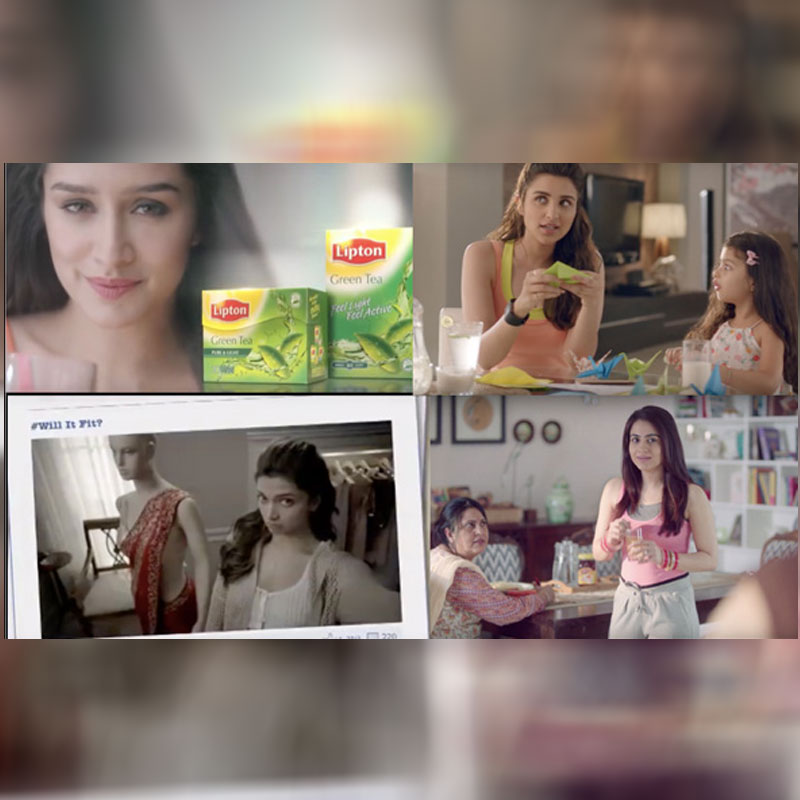
Brands have always stereotyped women to look their best and that does not seem to be changing anytime soon. Even today, advertisers prefer using women to endorse fitness, weight loss and a healthy lifestyle. Although a lot of men also seem to be getting fitness-conscious and concerned about their weight and looks, brands continue to use women in order to promote their product. Even in the 21st century, we see Deepika Padukone endorsing Kellogs Special K, Shraddha Kapoor promoting weight loss with Lipton Green Tea, Parineeti Chopra endorsing a healthy eating option of Sugarfree and so on. On the other hand, we don’t see any such product being promoted by male brand ambassadors. This gender stereotype does not seem to be changing anytime soon. But why does this stereotyping of women still happen in Indian advertising?
Harish Bijoor Consults founder and brand strategy specialist Harish Bijoor notes that sadly stereotyping brings in the moolah and women in India by and large do not complain about being stereotyped as there is a tendency to believe in the dictum “This is how we are”.
According to investment banking platform SMERGERS, the fitness industry in India was worth Rs 4,500 crore in 2017 growing at 17-19 per cent per annum. The total branded tea market in India stands at Rs 9,500 crore, growing at about 5 per cent but the branded green tea market, in contrast, is only around Rs 150 crore. The green tea market, however, is growing faster at 21 per cent yoy. Dabur Honey rakes in some Rs 500 crore in annual sales for the ayurveda brand.
Brands look at this category with awe, as their volumes gallop with every progressive move that is governed first by vanity and then by good health. While Bijoor notes that the fitness and weight loss market is huge in India, it is dominated by the aspiration of the people in the metros and mini metros who want to ape the western lifestyle of looking good and feeling good.
Brand-Building founder and brand guru Ambi Parameswaran notes that Indians want good health but without going through the pain of exercising and that does not seem to have changed much. “We discovered this phenomenon when we launched Sweetex in the late 80s and once again when we launched Tropicana in the late 90s. While you see a lot more people on the roads walking in the morning and doing yoga, Indians want it easy.”
Brands need to adapt now because there is a growing male audience for the same products. Men today don’t shy away from sipping green tea in order to shed those extra kilos or have a bowl full of Kellogg’s Special K or eat oats. With increasing awareness about fitness and an aim to lead a healthy lifestyle, more men have started to adapt to the healthy route. So, it only makes sense for advertisers to shift their focus to men and bring more male endorsers to promote their ideology.
Ambi Parameswaran mentions that today young men are more conscious about their looks, hair and skin than women of their age. “I am waiting for brands to jump on to the ‘keeping men fit’ bandwagon,” he prophesises.