iWorld
Disney+ Hotstar introduces pause ads on CTV


Mumbai: Disney+ Hotstar has launched an innovative advertising feature: pause ads exclusively for its connected TV (CTV) feed, making it the first platform in the country to introduce this cutting-edge format. This move follows the earlier introduction of 3-D breakout billboards for mobile, reaffirming Disney+ Hotstar’s commitment to pioneering unique advertising solutions.
On average, users pause content four-five times a day, with over 90 per cent of these pauses lasting less than 10 seconds*. Pause ads offer a seamless, non-intrusive ad experience by integrating advertisements into these natural user-initiated breaks.
Commenting on the launch, Disney+ Hotstar head of ads Dhruv Dhawan said, “We are thrilled to introduce another industry-first offering for our advertisers. The response to our CTV ads has been overwhelmingly positive. The launch of pause ads has generated significant excitement among our clients in the CPG, FMCG, F&B, and Auto sectors, Marico, Mondelez and ITC have been amongst the early adopters. We will continue to innovate and bring best-in-class solutions to our advertisers.”

Marico Ltd CMO Somasree Bose Awasthi added, “At Saffola, our larger brand ethos is to encourage Indians to embrace a healthier lifestyle. This year, on the occasion of World Health Day we collaborated with Disney+ Hotstar to launch a contextual campaign via Pause Ads on CTV. A powerful context relevant occasion was activated for the initiative every time the Disney+ Hotstar user initiated a break, this was built on the consumer insight that a large majority of content pause occasions are initiated around snacking. A perfect time for brand Saffola to remind our consumer to choose “better for you” foods from the Saffola Franchise as a healthier alternative. Disney+ Hotstar’s CTV Pause ads served as the perfect platform for Saffola to advocate healthy eating, and we look forward to strengthening our association with the platform other innovative disruptions in the future as well.”
Mondelez India director consumer experience Anjali Madan added, “At Mondelez, we have always been at the forefront of pioneering innovation in advertising and are thrilled to associate with Disney+ Hotstar to launch CTV ‘Pause Ads’ in India with our ‘Tang Summer Break Bestie’ campaign. Through this campaign, we wanted to provide an interactive platform for mothers and their kids to beat summer boredom, unleash their creativity and design their own animated bestie using fun AR-like effects. Leveraging innovative format of CTV ‘Pause Ads’ enabled us to reach our consumers seamlessly and convey our messaging in a more non-intrusive and effective manner, thus fostering a more positive and memorable brand interaction. We look forward to continuing this successful collaboration and leveraging such new marketing technologies for our future campaigns.”
ITC Ltd VP – health & hygiene, personal care products business Sanjay Srinivas added, “Innovative ad formats, especially on streaming platforms, help transform brand connect with audiences. Pause Ad is an interesting innovation that helps break the clutter without intruding the viewing experience and attracts attention. ITC Savlon is one of the first brands to deploy pause ads to deliver contextual messaging for its campaign on handwashing. The innovation has helped the campaign amplify reach and views in an engaging way.”
In addition to pause ads, Disney+ Hotstar offers advertisers a diverse suite of CTV ad formats including auto-expanding CTV billboards, prerolls & midroll ads, and click-to-WhatsApp integrations. These options are designed to enhance brand equity and maximize engagement with CTV audiences, who are among the most premium and attentive viewers, providing advertisers with an exclusive opportunity to connect with them during their most engaged moments.
*Disney+ Hotstar internal analytics.







iWorld
Meta plans 8,000 layoffs in new AI-led restructuring wave
First phase from May 20 may cut 10 per cent workforce amid AI pivot.
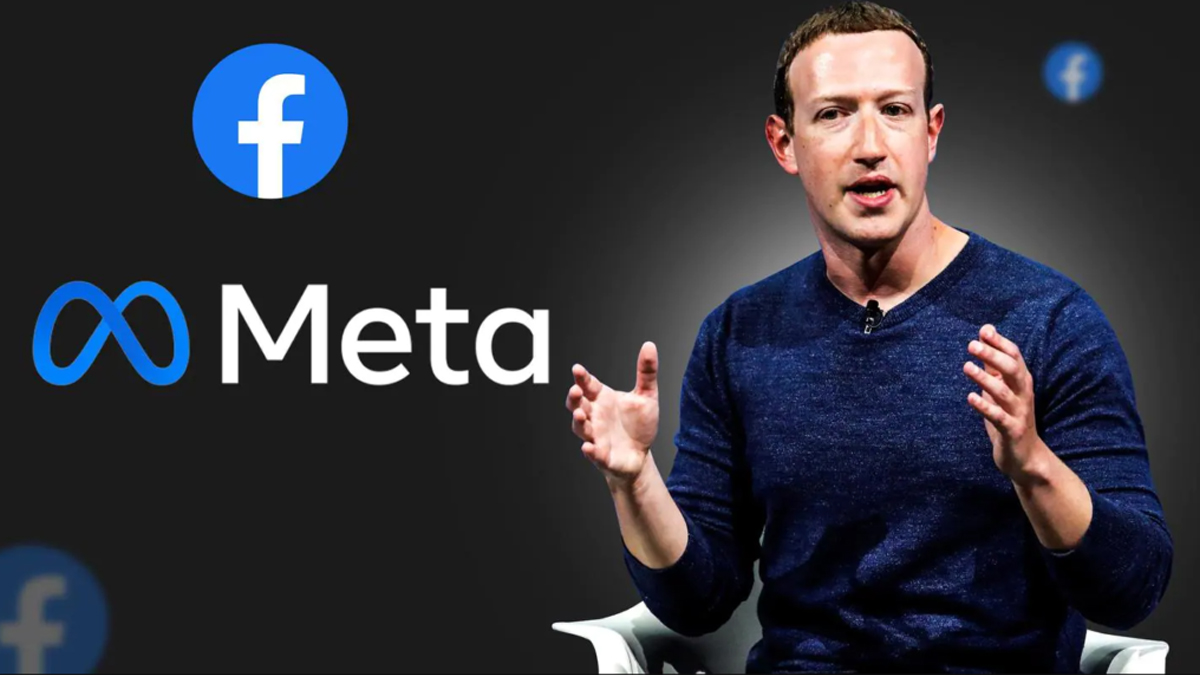
MUMBAI: At Meta, the future may be artificial but the cuts are very real. The social media giant is reportedly preparing a fresh round of layoffs, with an initial wave expected to impact around 8,000 employees as it doubles down on its artificial intelligence ambitions. According to a Reuters report, the first phase of job cuts is slated to begin on May 20, targeting roughly 10 per cent of Meta’s global workforce. With nearly 79,000 employees on its rolls as of December 31, the move marks one of the company’s most significant workforce reductions in recent years.
And this may only be the beginning. Sources indicate that additional layoffs are being planned for the second half of the year, although the scale and timing remain fluid, likely to be shaped by how Meta’s AI capabilities evolve in the coming months. Earlier reports had suggested that total cuts in 2026 could reach 20 per cent or more of its workforce.
The restructuring comes as chief executive Mark Zuckerberg continues to steer the company towards an AI-first operating model, committing hundreds of billions of dollars to the transition. Internally, this shift is already visible: teams within Reality Labs have been reorganised, engineers have been moved into a newly formed Applied AI unit, and a Meta Small Business division has been created to align with broader structural changes.
The trend is hardly isolated. Across the tech sector, companies are trimming headcount while investing aggressively in automation. Amazon, for instance, has reportedly cut around 30,000 corporate roles nearly 10 per cent of its white-collar workforce citing efficiency gains driven by AI. Data from Layoffs.fyi shows over 73,000 tech employees have already lost jobs this year, compared with 153,000 in all of 2024.
For Meta, the move echoes its earlier “year of efficiency” in 2022–23, when about 21,000 roles were eliminated amid slowing growth and market pressures. This time, however, the backdrop is different. The company is financially stronger, generating over $200 billion in revenue and $60 billion in profit last year, with shares up 3.68 per cent year-to-date though still below last summer’s peak.
That contrast underlines the shift underway. These layoffs are less about survival and more about reinvention. As Meta restructures itself around AI from autonomous coding agents to advanced machine learning systems, the question is no longer whether the company will change, but how many roles will be left unchanged when it does.







