MAM
Duff & Phelps Launches Celebrity Brand Valuation Report 2018

MUMBAI: Duff &Phelps, theglobal advisor that protects, restores and maximizes value for clients,today announced findings from the fourth edition of its Celebrity Brand Valuation Report 2018: ‘The Bold, the Beautiful and the Brilliant.’The report provides a ranking of India’s most powerful celebrity brands based on brand values derived from their endorsement contracts.
Key findings from the report include:
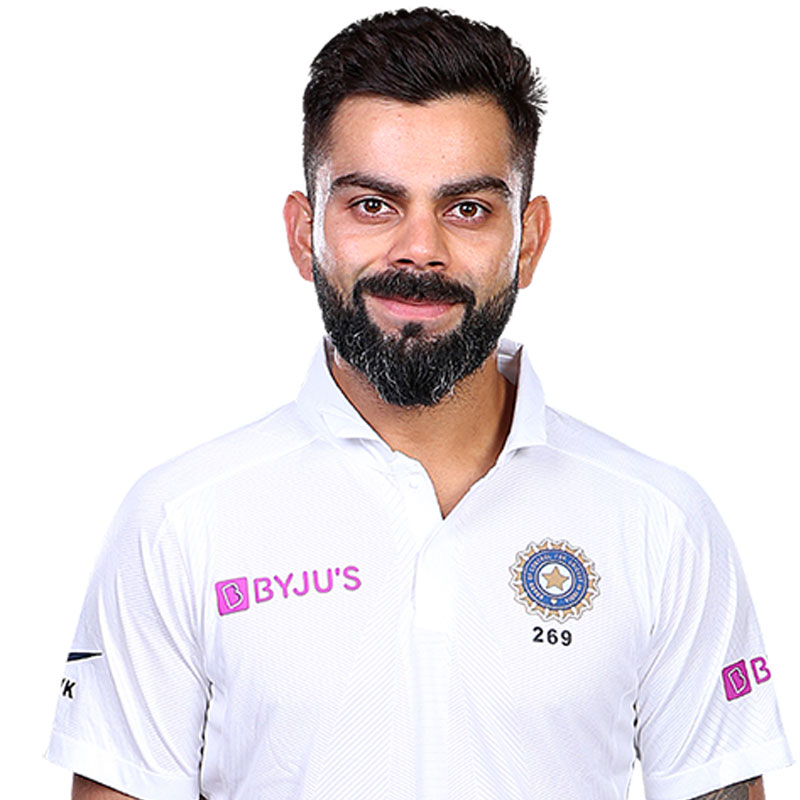
Virat Kohli retains the top position for the second consecutive year. His brand value rose by 18% to US$170.9 million in 2018.
Deepika Padukone rises to the second position, whereas Shah Rukh Khan falls to the fifth position.
Total value of the top 20 celebrity brands stands at US$877 million, with the top 10 contributing more than 75% of the total value.
Celebrity – Top 10 2018 2017
Brand Rank Brand Value Brand Rank
Virat Kohli 1 170.9 1
Deepika Padukone 2 102.5 3
Akshay Kumar 3 67.3 4
Ranveer Singh 4 63.0 5
Shah Rukh Khan 5 60.7 2
Salman Khan 6 55.8 6
Amitabh Bachchan 7 41.2 8
Alia Bhatt 8 36.5 9
Varun Dhawan 9 31.6 10
Hrithik Roshan 10 31.0 7
Commenting on the rise of the endorsement market in India, Varun Gupta, Managing Director and Asia Pacific Leader for Valuation Services, Duff & Phelps said, “The celebrity endorsement market in India has matured from vanilla endorsement deals to full-fledged partnerships through innovative routes such as equity deals and strategic partnerships. On the other hand, rising internet penetration, varied formats of content consumption and a burgeoning middleclass with increasing disposable incomes is boosting media spends for traditional and digital advertisements through celebrities. Millennial celebrities continue to be the first choice for brand endorsements as companies want to have a greater focus on the youth segment fuelled by demand in sectors such as e-commerce, retail, FMCG and smartphones, among others.”
Per data from ESP Properties, over the past decade celebrity-led endorsements increased in number from 650 in 2007 to 1,660 in 2017, representing a steady CAGR of 10%. Further, TV ad spends with celebrity endorsers rose from INR15.5 billion in 2007 to INR66.6 billion in 2017 at a CAGR of 16.1%. TV ads with celebrity endorsers represented close to 24% of the total TV ad spends in 2017, which represents a 5% uptick from 2007.
Aviral Jain, Managing Director, Duff & Phelps said,“While Bollywood celebrities dominate the rankings of the top 20 celebrities, sportspersons provide tough competition. Virat Kohli, Sachin Tendulkar, M. S. Dhoni and P.V. Sindhu collectively contributed almost US$241 million, which is over 27% of the cumulative brand value of the top 20 celebrities pegged at US$877 million.”
“Brands are also increasingly going regional in their endorsement strategy to cater to the heterogenous peculiarities of Indian states.They are leveraging the equity that local celebrities enjoy. Product brands are also looking for better returns on their investment through a step up on regional markets and have started coming up with region-specific commercials featuring regional celebrities like Mahesh Babu and Tamannaah,” Jainadded.
Further, the report focuses on the rising trend of power couples. By tapping into a power couple’s reach and impact, brands can target each partner’s unique following and voice. The coming together of a power couple creates a larger platform that brands want to leverage to target the youth. This year, power couple Virat Kohli and Anushka Sharma have endorsed around 40 brands together such as Head and Shoulders, Manyavar, Pepsi, Celkon, Boost, Audi, Fastrack, Goinee, Wrogn and Polaroid.
Celebrities are also increasingly being leveraged to create social media buzz. A celebrity’s hold on social media is now a major determinant of the influence that he or she can have over a brand campaign. Duff & Phelps sourced data from Meltwater, the vertical leader in online media intelligence solutions, on the top celebrities and their social media presence, engagement and influence index.
Commenting on the power of a celebrity’s social media influence, Christo van Wyk, Area Director – India and Middle East, Meltwater said, “Like marketers, celebrities are continuously building their brand, and those that are aware of current trends and of the difficulties in breaking through the clutter, recognize that social media is a unique opportunity to stand out above the crowd. Celebrities with well-crafted social media strategies are able to maintain relevance, build more intimate relationships with fans and garner real-time feedback on their work. Much like a corporate brand’s, a thriving social media presence can serve as a reflection of a celebrity’s public desirability."