MAM
Indian Moms prioritizing themselves: Ipsos Mothering Excellence Study 2018

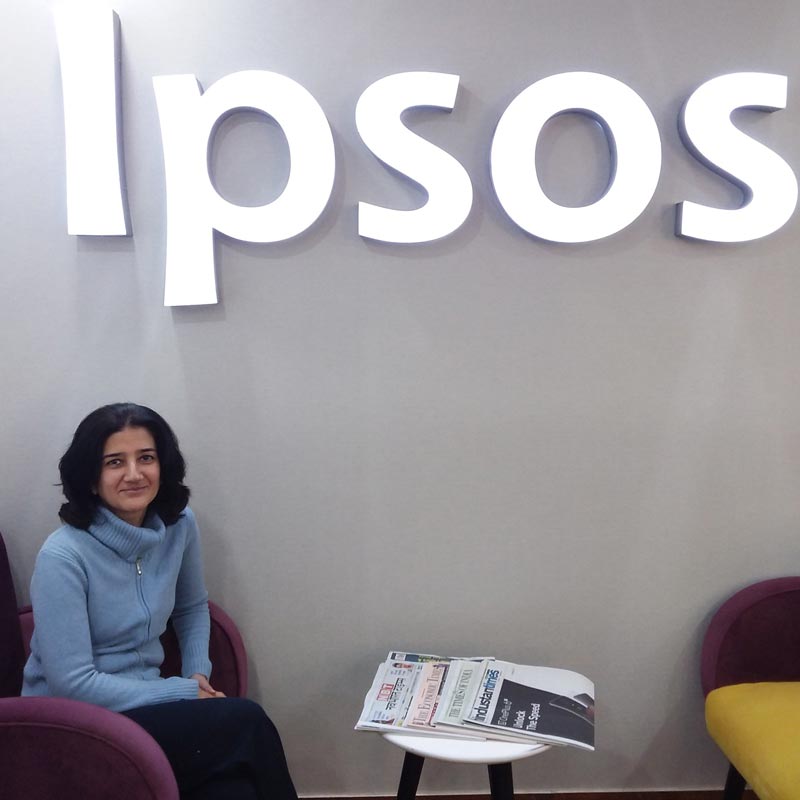
MUMBAI: A typical Indian mom conjures up images of sacrificing oneself to the role of motherhood. Cut to Circa 2018, Ipsos study christened ‘Mothering Excellence’ shows that the Indian and Asian mothers are turning ‘Me Focused’ from being ‘Child Focused’ in their quest to be role model moms.
Ashwini Sirsikar, Country Service Line Head of Ipsos UU (Qualitative Research division) sees a shift 2018, from 2015, when the study was last undertaken: “With the mom playing a more active and assertive role, she wants to be the best version of herself, in all her roles, including that of being a mom. So, being a good mom is about being her best self. Along with her family’s happiness she is focusing on her own happiness, fulfilment, identity and strengths and this positive mindset is a shift from the conventional role of the mother who always puts the family first.”
Further the study shows, there is a stronger expression for the need of freedom, experimentation and exploration as moms. The conscious need to make the experience of being a mom enjoyable. We see more digitally savvy moms. They are focusing on developing kids as individuals (in their own right), at the same time looking at a life beyond being a mother and a caregiver. Interestingly, we see a backlash to the pursuit of domination, advantage and competitiveness; the need to have overperforming kids still exists, but the practice of using privilege, money or power is increasingly rejected. A level playing field is desired by all.
The study provides an insightful overview of the trends and scope around the topic of mothering motivations. The contemporary insights around mothering provide marketers the opportunity to review their market, brand and category strategy and communication, in this context to arrive at the right brand positioning. Ergo, it unravels consumer centric motivations for brand inputs.
Mothering Excellence is a qualitative study undertaken to understand mothering motivations of Asian Moms and was carried out in 11 Asian markets (India, Japan, China, South Korea, Malaysia, Indonesia, Vietnam, Singapore, Thailand, Taiwan, Philippines). It was a comprehensive study conducted via social listening (we looked at conversations around mothering on social media sites), netnography (where we zoned in on high traffic websites specific to each market, to understand the themes and conversations), spoke to experts like marketers, communicators, nutritionists, pediatricians, counsellors etc. and brainstormed with internal resource of Dimensionalizers (senior qualitative research staff, who are mums themselves). While the foundational work of the study was done in 2015 to derive core motivations and themes, it was reviewed in the fag-end of 2018, to monitor the shift in manifestations and expressions of mothers and their mothering motivations. This study is the update.
“While the core motivations do not undergo changes easily year on year, we believe the manifestations and expressions are always dynamic and do change and provide us rich inspiration to ensure our engagement with mums stays fresh and contemporary,” added Sirsikar.







