MAM
ZEEL launches an exclusive campaign for its english cluster #WhereIsMyChannel

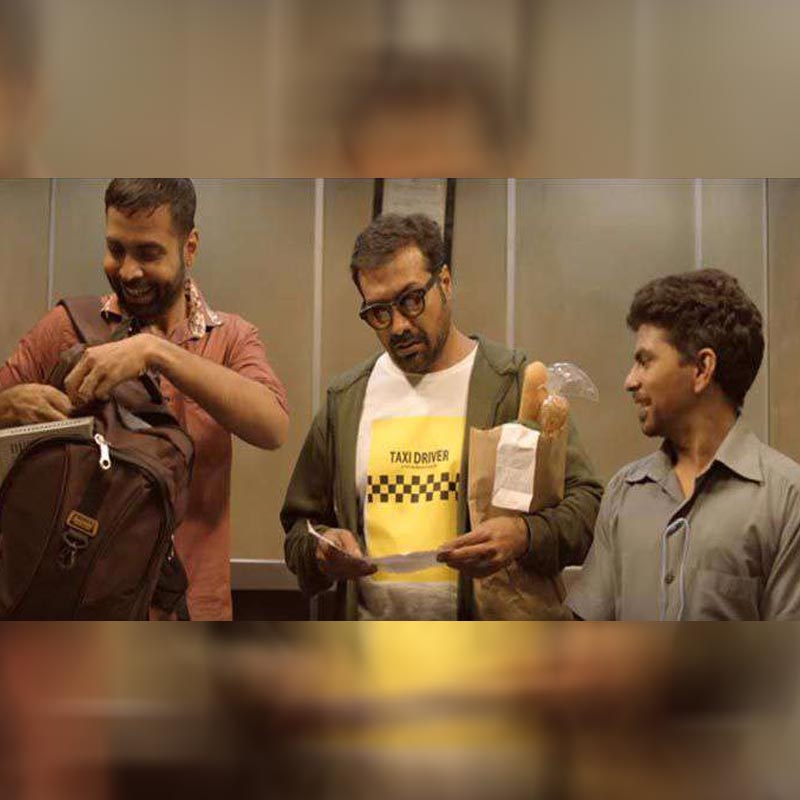
MUMBAI: With TRAI initiating the implementation of the MRP regime, consumers now have a choice to select the packs and channels that best meet their content needs. While the broadcasters are busy building their bouquets and communicating the prices to the viewers, Zee English Cluster has taken a rather differentiated route. The new insightful ad campaign #WhereIsMyChannel, encourages the viewers to choose their preferred channels and inform their cable operators. While the consumers are involved in their content choices, they often tend to postpone communicating with their cable operators. The campaign prompts for this necessary action, at a time when TRAI’s deadline for the implementation of MRP regime is just around the corner. The two entertaining ad films feature Bollywood filmmaker Anurag Kashyap and the percussion maestro Sivamani as viewers of – Zee Café and &flix.
Bringing some of the choicest films, dramas, news and lifestyle content for the Indian viewers, Zee Premium Cluster is the destination for carefully curated collection of entertaining international content. With a powerful bouquet – Zee Prime English Pack – comprising &flix, Zee Café, LF and Wion, priced at an attractive Rs. 15/- per month, viewers are truly spoilt for choice when it comes to compelling TV shows and the biggest Hollywood hits, alongside international news, food and lifestyle content. For those who appreciate content that is compelling, &PrivéHD brings riveting, award-winning films that stimulate the mind and enthrall viewers. Bringing this world of nuanced cinema, Zee Prime English HD Pack comprising – &Privé HD, Zee Café HD, &flix HD, LF HD is priced at Rs 25/- making premium content more accessible.
What is also striking about the campaign is that it comes at an opportune time when Zee Café is going to launch a plethora of new shows like the iconic music reality show American Idol, the endurance-based reality show inspired and hosted by Dwayne Johnson – Titan Games and the final season of The Big Bang Theory. Not just this, &flix too has an exciting line-up of new blockbuster Hollywood films to be premiered in the coming few months.
With #WhereIsMyChannel campaign, Zee English Cluster attempts to throw light on the need to inform the cable operators for your content choices. The first TVC shows Anurag in his residential society where he inadvertently bumps into his cable operator. Anurag is seen rather disheartened as he has been missing some of the biggest Hollywood hits on his favourite movie channel – &flix. Puzzled, the cable operator is caught completely unaware of Anurag’s content tastes, since he sees Anurag as a Hindi filmmaker. The film breaks into the broadcaster driving home the message – ‘Your Cable Operator May Not Really Know You.’ so inform him of your pack choice.
The film with Sivamani revolves around a similar encounter with his cable operator as he is unable to view the latest episodes of American Idol on Zee Café. The cable operator is unaware of Sivamani’s interest in music which leads to his assumptions that he is only fond of fashion and lifestyle channels.
Prathyusha Agarwal, Chief Marketing Officer, ZEEL, said, “The discerning urban English consumer is highly involved in their content choices. However, selecting their channel packs is new behavior that they are currently not used to. Through this communication our objective was to nudge them towards becoming more active in informing the cable operator of their channel pack choice. We also wanted to bring alive our insight that the “Cable Operator May Not Really Know You” and hence inform him of your pack choice.”
The campaign was conceptualized and executed by Zee English cluster, along with their creative partner for this campaign – tiqui-taka.
Sharing his views on conceptualizing the campaign, Jigar Fernandes, Founder, tiqui-taka, said, “We changed the lens and saw the cable guys point or view. How will he ever know what channels you like? We stayed with this for a while before we finally cracked it by bringing in the expert celeb angle – if a cable guy can misjudge a well-known celebrity, it could happen to anyone. We took a shuddh desi Hindi script for a premium English channel. And Zee was cool enough to embrace it! The one with Mr. Sivamani followed later.”