iWorld
IAMAI requests TRAI to recognise OTT services as “digital applications”

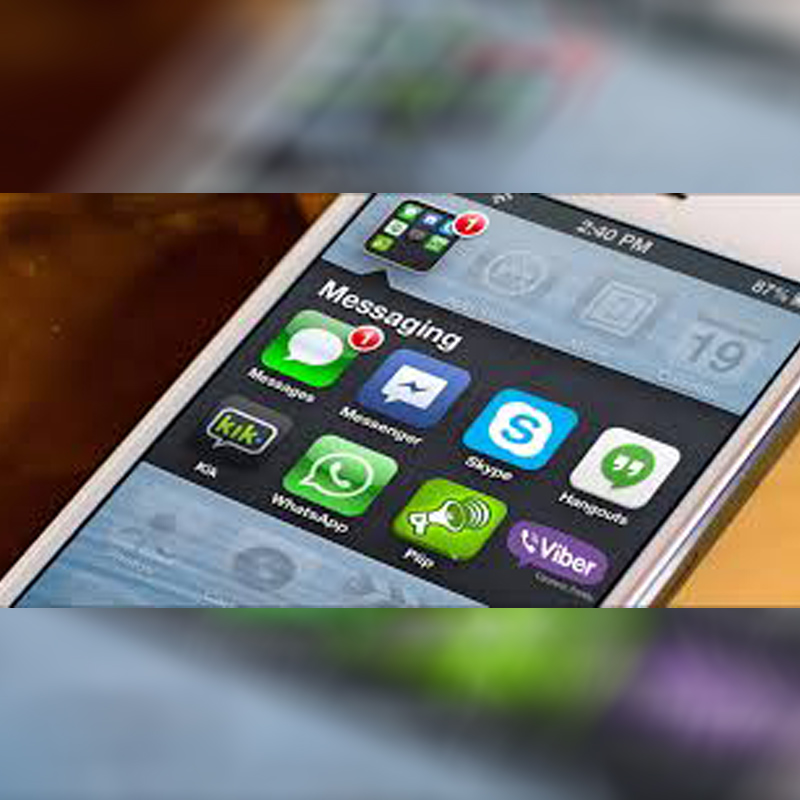
MUMBAI: The Internet and Mobile Association of India (IAMAI) has reiterated that the term over-the-top (OTT) does not justify the innovation in the digital applications at the application layer. In its submission on counter comments to the OTT communication services consultation paper by industry body Telecom Regulatory Authority of India (TRAI) it has asked the regulator to recognise OTT communication services as ‘digital applications’.
“Using the terminology of OTT paints digital applications as free-riding over telecom networks, as they are accessible to all users with internet service without any arrangements / agreements with TSPs. Using the internet to offer services to consumers does not amount to free-riding, as consumers pay TSPs for the data that they use,” IAMAI said.
The industry body has also added that digital applications provide different services with diverse functionalities that do not merely replicate legacy telecom services. It has also noted that the use of the term “over the top” tries to equate the services while differentiating the mode of their accessibility. According to IAMAI, the services provided by digital service providers in the areas of communication, e-commerce, news, social media etc., do not provide substitutable services.

While submitting comments on the OTT consultation paper, some of the telecom operators and COAI sought to qualify the services provided by some of the digital applications to be similar or substitutes for telecom services. IAMAI is of the view that digital applications are qualitatively very different from telecom services.
“Identifying Rich Interaction Applications (“RIAs”) as comparable to telecom services is highly reductionist and unjustified. Moreover, digital applications are not available to those telecom subscribers who do not have access to the internet. While internet penetration in India is increasing with the rapid adoption of smartphones, this number is still a very small percentage of the Indian population. On the other hand, users can access telecom services without internet access or even smartphones,” it commented.
Some of the stakeholders also spoke about the regulatory gap between ISPs and digital application providers. In response to that, IAMAI has said that the digital applications are duly governed by the IT Act under the Ministry of Electronics and Information Technology. It added that any new regulations under a different regulatory authority will only convolute the existing regulatory regime and adversely affect the ease of doing business in the country.
“The argument of “same services same rules” was laid to rest in previous TRAI consultations on the matter. TSPs, with access to scarce national resources like spectrum and having restrictive access over physical infrastructures cannot possibly be compared to services being provided at the application layer, and any discussion of regulatory imbalance between the two would be comparing apples with oranges,” it highlighted.
IAMAI thinks all arguments of service or functional substitution by the telcos ultimately stem from a narrow perception of revenue substitution. In this context, it has highlighted that earlier some telcos acknowledged that the rise of digital applications has actually led to a rise in data revenues for these service providers.
“IAMAI would like to request the authority not to encourage TSPs to cherry-pick digital applications that help raise their revenues while choose to clamp down those they perceive as a threat for their revenues. Regulations should be based on principles and using regulations as restrictive tools for protecting business interests is a myopic outlook that harms the greater interest of the nation at large,” it commented.