MAM
Forevermark unveils a series of six short films telling the incredible journey of moving giants

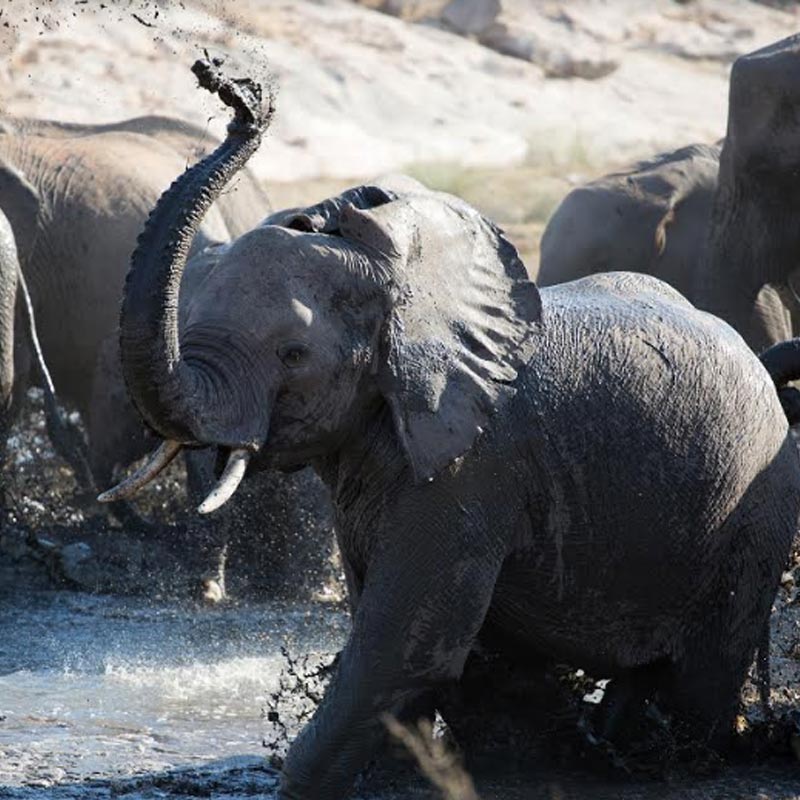
MUMBAI: For World Elephant Day 2019, Forevermark, the diamond brand from De Beers Group, is excited to unveil a compelling six-part short film series revealing the epic journey of one of the world’s keystone species as they embark on one of the largest and longest translocations ever undertaken in South Africa.
In 2018, De Beers Group announced that it was commencing a major conservation initiative titled Moving Giants that would see around 200 elephants translocated from its Venetia Limpopo Nature Reserve (VLNR) in South Africa to a national park in Mozambique co-managed by NGO Peace Parks Foundation and the Mozambique government. The aim of the initiative, which would take around three years to complete, is to protect and sustain the natural habitat, and the future survival of the animals and plants it supports, at the VLNR, while helping to facilitate the restoration of the elephant population in Mozambique.
The six-part film series tells the moving story of the first 48 elephants and what it takes to translocate these majestic creatures a staggering 1,700km to Zinave National Park. Each episode is told through the eyes and experiences of the varied group of experts, partners and collaborators involved in the project, including elephant translocation specialist Kester Vickery; veterinarian Dr. Andre Uys; Senior Manager: Ecology and DBCM Properties Piet Oosthuizen; and Zinave National Park Ranger Estevao Chiure.

In July 2019, De Beers Group announced that it had successfully carried out its second translocation as part of Moving Giants, translocating a further 53 elephants from its Venetia Limpopo Nature in South Africa to Zinave National Park in Mozambique.
Respect and love for nature are deeply embedded in the heart of Forevermark. Forevermark, as part of De Beers Group, is proud to be a part of this cutting-edge conservation project and the partnership with De Beers Group and Peace Parks Foundation, as they aim to protect and sustain the VLNR for future generations and, in turn, help to restore Mozambique’s elephant population.
Throughout a Forevermark diamond's journey from rough to polished, particular care has been taken to ensure responsible business practices, to protect the natural world. The future of this amazing keystone species is in our generations hands and it is our responsibility to continue conservation efforts to protect them and the habitats around them, so future generations can continue to enjoy the incredible earth we live on.



Brands
Samsung India elevates Aditya Babbar to lead mobile business
Exec takes charge of MX sales and marketing after Raju Pullan’s exit

NEW DELHI: Samsung India has elevated Aditya Babbar to lead its mobile phone business, following the exit of Raju Antony Pullan.
Babbar, who previously served as vice president within the mobile division, has been appointed head of sales and marketing for the MX (mobile experience) business, effective May 1. In his new role, he will oversee the company’s sales and marketing operations for smartphones and related categories in India, reporting to the executive vice president of the MX business.
A long-time Samsung executive, Babbar brings over a decade of experience within the organisation, having held multiple leadership roles across product, marketing and category management. Most recently, he led product marketing and e-commerce for the mobile division, following earlier stints as head of product and marketing and senior director roles.
His career within Samsung Electronics and its India operations has also included responsibilities for flagship devices, tablets and wearables, giving him a broad view of the company’s premium and mass-market portfolio.
Babbar succeeds Pullan, who stepped down from the role, marking a leadership transition at a time when India remains a key battleground for global smartphone makers.
The appointment signals continuity within Samsung’s leadership bench, with an internal candidate stepping up to steer one of its most critical business units in a highly competitive market.