MAM
How should D2C brands structure their offerings appeal to a wider consumer base attribution


Mumbai: In brand building, brand architecture plays a pivotal role in shaping the identity and growth of a brand. In our digitally accelerated era, the landscape of brand architecture has encountered a significant shift, presenting newer challenges and considerations.
As consumer preferences continue to evolve, the demand for specialisation across product categories is soaring. Traditionally, products within the same family were often grouped under a single brand, allowing the brand to gain recognition under one category before expanding to others. Today, however, the rise of specialised offerings raises the question of whether each new category demands a distinct brand, or if a unified approach can be maintained.
The entrepreneurial landscape has also witnessed increased dynamism, with founders venturing into multiple categories shortly after inception. While this ambitious approach can lead to consumer confusion and necessitate higher marketing expenditure, if not planned well, it also presents growth opportunities.

Conventional brand architecture models such as the House of Brands and Branded House, though effective in certain contexts, may not seamlessly align with the needs of modern Indian direct-to-consumer (D2C) startups. The House of Brands model, designed for disparate offerings and diverse target audiences, contrasts with the Branded House approach, which leverages existing brand equity across verticals.
In light of these complexities, many brands are opting for a hybrid brand architecture, blending elements of both models to strike a balance between differentiation and brand coherence. This nuanced approach acknowledges the unique challenges and nuances of the contemporary market landscape.
The Coca-Cola company, known for its flagship brand Coke, has built significant equity over a century. Fanta launched almost a hundred years later under a flavoured beverage banner, illustrates how much brands can evolve to meet market demands. During World War II, a German trade embargo cut off access to Coca-Cola syrup, leading to Fanta’s creation from local ingredients. Fanta was reintroduced in 1955 across European, Asian, and African markets, with a cautious approach in the U.S. market to protect Coke’s brand equity. This strategic expansion reflected the company’s commitment to balancing brand identity with product diversification to meet global market demands.
Similarly, the trajectories of modern delivery apps like Swiggy and Zomato underscore the importance of deliberate brand expansion. Swiggy seamlessly integrated new offerings under its existing brand umbrella, while Zomato, facing challenges in grocery delivery, acquired Blinkit and employed an endorsed brand architecture to leverage its existing brand equity.
The rebranding of Meta (formerly Facebook) provides a compelling case study in adaptive brand architecture. By restructuring under the Meta umbrella and articulating a broader vision for the Metaverse, the company has attempted to position itself for future growth and diversification, while retaining the essence of its core offerings.
The decision between multiple brands and a unified brand identity hinges on several key considerations: the differentiation of product offerings, the target audience for each brand, and pricing parity across the portfolio. Brand architecture is a dynamic framework that should evolve in tandem with market dynamics and strategic imperatives, serving as the bedrock for business and brand strategy, and eventually, all growth initiatives.
This article has been authored by Stratedgy co-founder Kruti Berawala.

Brands
Estée Lauder to shed 10,000 jobs as new boss bets on digital shift
The cosmetics giant raises its profit outlook but stays silent on a possible merger with Spain’s Puig, as job cuts deepen and a three-year sales slump weighs on the turnaround
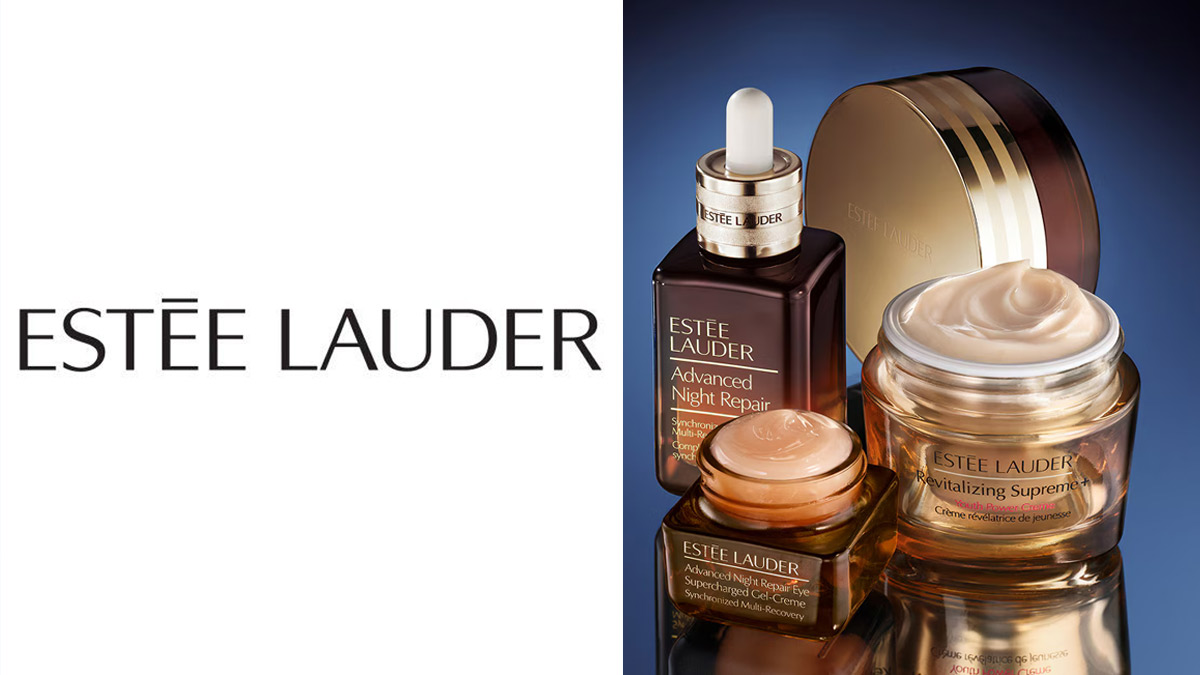
NEW YORK: Stéphane de La Faverie is not done cutting. Estée Lauder announced on Friday that it plans to eliminate as many as 3,000 additional jobs, taking its total redundancy programme to as many as 10,000 roles, up from a previous target of 7,000 announced a year ago. The company, which owns La Mer, The Ordinary, Tom Ford, and Aveda, employs roughly 57,000 people worldwide. The mathematics of what is now being contemplated is stark.
The fresh round of cuts is expected to generate a further $200 million in savings, bringing the total annual savings from the programme to as much as $1.2 billion before taxes. That money, De La Faverie has made clear, will be ploughed back into the turnaround.
A CEO in a hurry
De La Faverie, who took the helm in January 2025, inherited a company that had endured three consecutive years of annual sales declines. His response has been to move fast and cut deep. A significant portion of the latest redundancies reflects his push to reduce headcount at US department stores, long a cornerstone of Estée Lauder’s distribution model but now a channel in structural decline. In their place, he is accelerating the shift toward faster-growing online platforms, including Amazon.com and TikTok Shop, a pivot that is reshaping not just where Estée Lauder sells but how it thinks about its customers.
The numbers are moving in the right direction
Despite the pain, there are signs the medicine is working. Estée Lauder raised its profit outlook for the remainder of the fiscal year, guiding for adjusted earnings per share in the range of $2.35 to $2.45, above analyst estimates and a notable step up from the $2.05 to $2.25 range it had guided for in February. Organic net sales growth is expected to come in at 3 per cent, the company said, at the high end of the range it set out in February.
The share price tells a mixed story. After De La Faverie took charge, the stock surged nearly 60 per cent, buoyed by investor optimism that a longtime company insider could finally arrest the decline. But 2026 has been rougher: the shares have fallen 27 per cent this year, weighed down by disappointing February results and the overhang of unresolved merger talks with Spanish beauty giant Puig Brands SA. The company gave no additional details about those discussions on Friday, leaving the market to guess.
Silence on Puig
The proposed tie-up with Puig remains the most consequential unknown hanging over Estée Lauder. A deal with the Barcelona-based group, which owns brands including Carolina Herrera and Rabanne, would reshape the global luxury beauty landscape. But with nothing new to say and a turnaround still very much in progress, De La Faverie is asking investors to trust the process.
Three years of sales declines, 10,000 job cuts, and a merger that may or may not happen. At Estée Lauder, the overhaul has barely started.