MAM
Xaxis and Mindshare create first programmatic outdoor airport campaign for Grofers

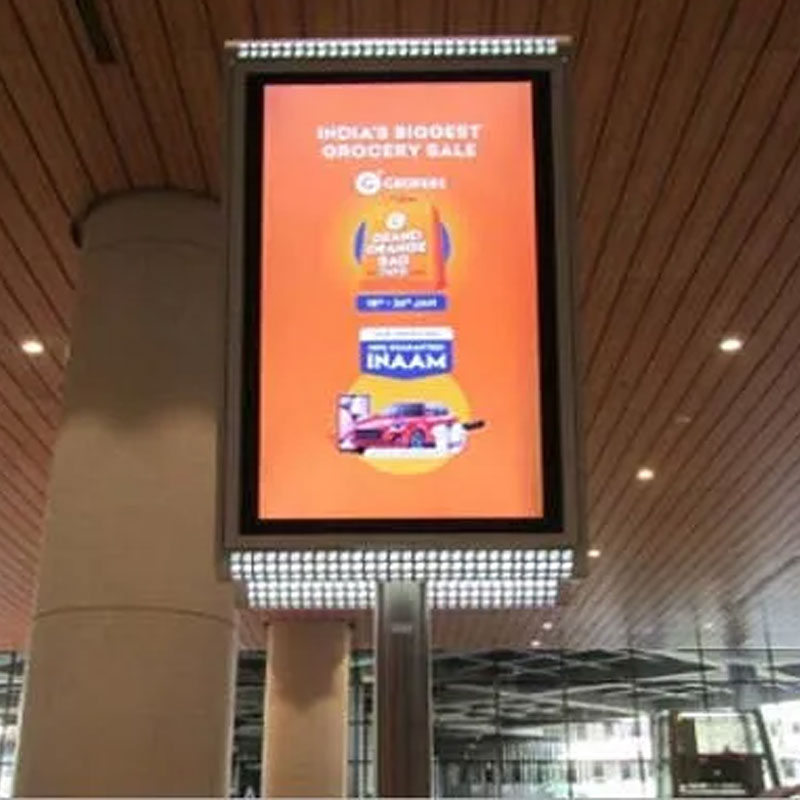
MUMBAI: GroupM’s advanced programmatic arm, Xaxis, and global media agency network, Mindshare, have worked with digital out-of-home (DOOH) platform Lemma to launch an industry-first programmatic DOOH campaign at India’s busiest airport, CSI Mumbai for online grocery delivery service Grofers.
The project combined Xaxis' audience targeting capabilities, Mindshare's strategic media planning, and Lemma’s programmatic DOOH platform to increase visibility of Grofers' Grand Orange Bag Day sale, just as a competing retailer launched its own promotion.
Starting with CSI Mumbai Airport, the campaign successfully introduced DOOH screens as a new environment for digital display advertising. In addition to the airport, Xaxis activated the campaign announcing the Grand Orange Bag Day sale across Mumbai railway and metro screens to target suburban commuters. The company's data-driven approach to DOOH enabled rich online and offline behavioural insights to be applied to the audiences reached at the Mumbai airport and across the city.
Along with Lemma’s platform, and Mindshare’s media buying, the TimesOOH screens were made available for bidding in real-time. Xaxis activated the programmatic direct campaign via Google’s DV360 demand-side platform.
The Grofers initiative was scheduled for the same time that a competing retailer was running a promotion, so the online grocer needed Grand Orange Bag Day to stand out during this period of high media noise.
Grofers director of marketing Ankur Ogra said, “Since Grofers is an online retail store, we try in all our communications to bring our consumers a unique experience that they can relate to better. With this campaign, we wanted to surprise our existing, highly-valued consumers and create brand awareness among our potential consumers. We believe in pushing the boundaries with every campaign and that this activity did just that.”
Xaxis India country lead Bharat Khatri commented, “Time and again it has been proven that out-of-home media has a strong influence on consumer action. Our partnership with Mindshare and Lemma on this campaign is an exciting step forward in digital-out-of-home. Xaxis is committed to bridging the gap between the digital and physical worlds by offering advertisers a frictionless integration of strategies in a single platform allowing them to control their audience targeting across channels.”
Mindshare India chief digital officer Vinod Thadani said, “In this campaign, Grofers' data provided the insights to craft the right message and Xaxis’ targeting capabilities allowed the message to be delivered to the right place at the right time. The expansion of digital channels and unified platforms to manage omnichannel ad campaigns help brands reach their customers – both online and offline – more effectively. ”
Lemma founder and CEO of Gulab Patil added, “This Grofers campaign has established digital out-of-home as a new display environment for digital ads. In time, more integrated campaigns like these will pave the way for programmatic DOOH strategies to transition from a ‘test and learn’ activity to a media plan ‘must-have’.”