Brands
How COVID-19 will change live events

Maya Angelou said, “People will forget what you said, people will forget what you did but people will never forget how you made them feel.” This was is the bedrock of every live experience. The ones that we remember most vividly are the ones that made us feel most ‘a-live’. And over the years with the advent of technology, communication, internet, this feeling can be enhanced with these tools.
The pandemic, however, has made a swift incision at the heart of the live event business. If you just look at the figures pouring in from different sources about the estimation of current losses, they are a staggering Rs 3000 crore in just two months in India alone. More than 10 million people employed in the industry have been impacted. It will, if it hasn’t already, force the industry to rethink its strategy entirely. The consumer journey is now different– the touch and feel of in person events is not involved right now. Going virtual, using technology and design thinking, is the need of the hour. We have already seen many platforms including venues like NCPA that have taken the staged experiences and brought them home. Ticket booking platforms like BookMyShow have widened their canvas to include online fitness classes and dance classes. Experiences that you never thought could be enjoyed sitting indoors, like Theatre, have already started adapting to the small screen format of your laptops and mobiles.
Can it be shown as it was on stage? Maybe.
Can it be made better to include the new consumption process? Absolutely.
That’s what will set the best experiences apart. It cannot be just a LIVE on ground experience anymore. It will have to be a Mixed Reality Experience.
Once things come back to normal, yes, events will happen again. In my opinion though, two things will need to be now evaluated:
What kind of experiences are the consumers seeking – those who are attending live and those who are not?
How will the event industry design an experience within this environment? It will have to move ahead from just another ‘Going live on a social media platform’. It will need to be more integrated.
Emotional connect will have to be elicited through consumers’ devices. Not just event managers but even artists will need to rethink their delivery of the experience. In India, thankfully, the event industry has a body like EEMA that enables discussions, debates and innovations and in unprecedented situations like this, the body provides a voice as well as support. This pandemic will hopefully also give rise to a collective body that will be a platform for freelancers, gig workers, artists to enable them to come together and keep innovating and growing.
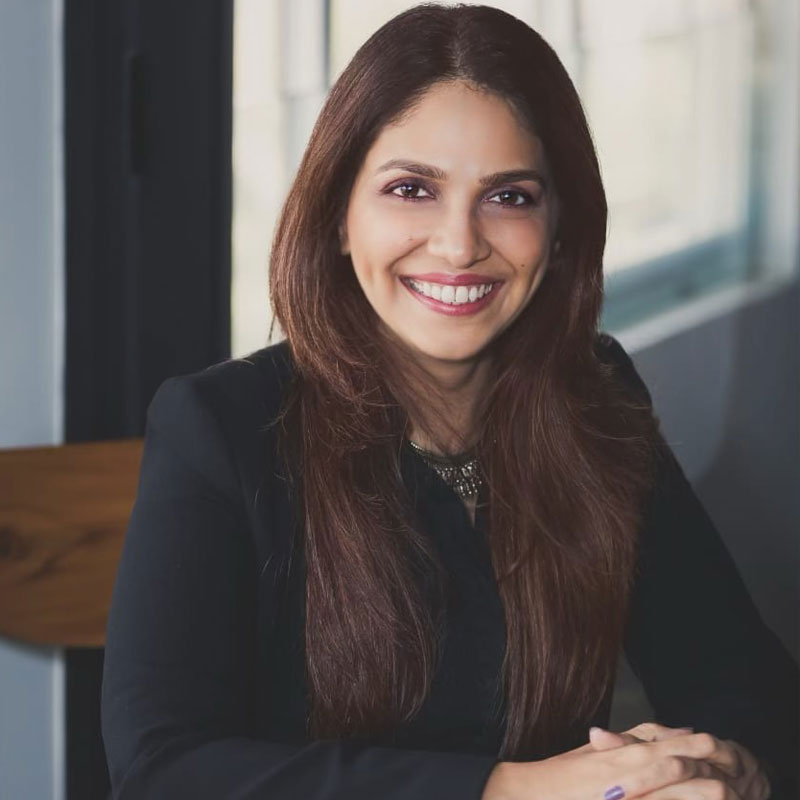
(The author is TABHRASA founder. The views expressed are her own and Indiantelevision.com may not subscribe to them)