MAM
New-age branding strategy from age-old brand marketing

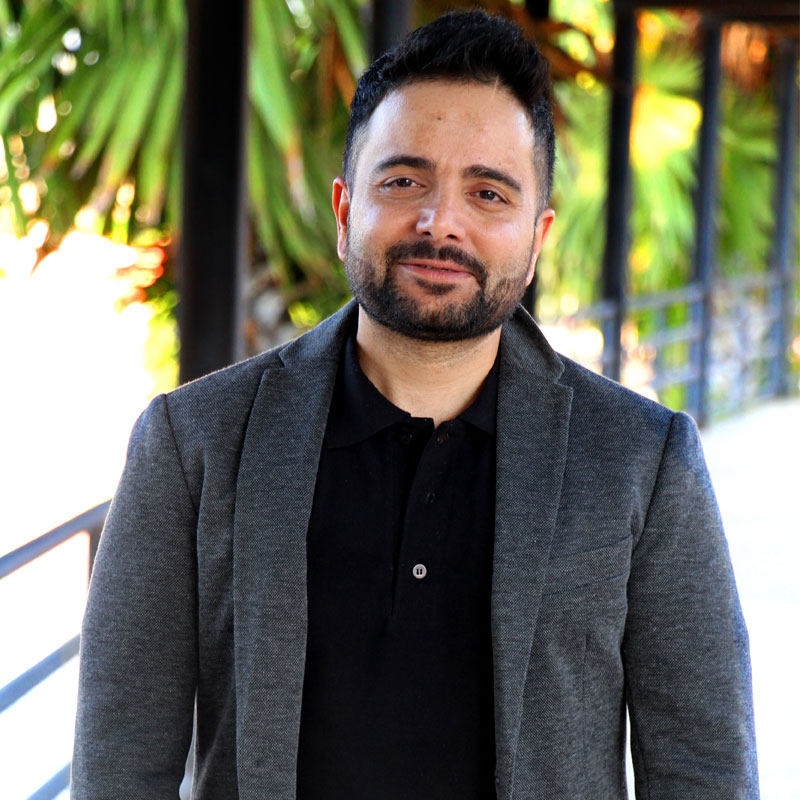
The last five years have been quite prominent years for digital marketing where the industry surged to the point that it undeniably became a rage for brand marketing in which any trendy new social media site popping up will become the next big thing. New-age digital platforms have certainly opened up exciting possibilities for brands to communicate with customers closely. Earlier, brands used to endorse themselves through well-known celebrities to channelise the brand communication in which a celebrity acts as a spokesman for the brand by raising its appearance, reputation, social status or field knowledge. In this tradition, celebrity’s help was perceived to make a distinct difference on the market with a very high proliferation of local, regional and foreign brands. But now with the surge in Social Media platforms, influencers along with the rise in micro-influencers; we have an army of experts with fewer but more involved audiences in a specific topic. Hence, the emergence of influencers as a critical marketing tool for brands.
According to a new report by Buzzoka, “Influencers help marketers become more conscious and informed. They even help boost sales more and more.”
Indeed, spreading word-of-mouth through influencers is now considered a more lucrative alternative than organic searching and even paying for ads. Every year, most businesses spend a substantial amount of money on online influencers’ marketing. A benefit of using influencers to promote a brand is that it isn't as time-consuming as most of the other advertising methods. More than eight out of 10 survey respondents of Buzzoka said that the position of the commoners is "significant" or "extremely important."
Influencers being an ordinary citizen just like any of us attracts the attention of the consumers, which in turn makes customers more appealing to the idea of having them as the face of the brand. This at the same time also attracts more attention of the consumers when they see them. Today, many well-known celebrities are collaborating with the Tik Tok influencers for film or video promotion.
Top goals of influencer marketing
In general, key performance indicators (KPIs) for brands fall into two categories:
1.Brand recognition: Metrics linked to increased viewers' awareness of your product or service, such as content views, likes, reviews, mentions, reach and traffic.
2.Direct response: Metrics associated with specific acts, such as clicks, purchases, transactions, leads, downloads and subscribers.
Some influencer marketing campaigns fall into both categories as well as drive interaction and some form of conversion.
Here are the top five influencer marketing goals:
1. Raising awareness of the brand: Awareness building around a brand, product or service is the most common target for influencer marketing campaigns. Brand recognition is generally measured through, likes on the post, reach and scope and interaction.
2. Addressing new audiences: To help ensure compatibility with your target audience, influencers should be able to share their audience data (age, gender, place, interests, etc.)
3. Generating sales: Today's more influencer initiatives seek to drive real sales that can be easily tracked using personalised links, landing pages, and redemption codes. Before launching the campaign note to have all these elements in order to ensure accurate measurement.
4. Boost support for the brand: Influencers can provide strong credibility and trigger word-of-mouth discussions among their fans about your product or brand.
5. Generation of lead drives: Besides sales, new leads are another common direct response metric for marketing campaigns with influencers. Names and emails can be collected through subscriptions to the newsletter, account setups, or entries to giveaways.
In this evolving world, platforms like Tik-Tok have emerged as an important tool for a brand to go hand in hand with the younger generation. These platforms are helping millennials to grow in Tier II and Tier III cities by providing them a welcoming stage to showcase their skills which could be anything from washing cars to making furniture to putting a tempered glass cover on a smartphone and some outstanding lip-syncs and amusing skits and pranks. And at the same time, brands are reaching out to their millions of followers utilizing their vast networks; making a win-win situation for both the brands and influencers.
(The author is UBON India MD. The views expressed are his own and Indiantelevision.com may not subscribe to them)