MAM
Industry pins hope on pent-up demand post-Covid2019
NEW DELHI: Which marketer doesn’t know about the theory of lipstick effect? Tracing its roots to the great depression of 1929, the theory substantiates that glum consumers will continue to spend money on small luxuries during or after times of economic crisis to keep up their spirits. Several reports indicate a similar behaviour demonstrated by Americans after the 9/11 and also the global recession of 2008.
Most recently, consumers in China recreated the scenario as sales of cosmetics plummeted as much as 80 per cent in February. According to the Chinese ministry of commerce, resumption rate of large supermarket chains and convenience stores reached 99.5 per cent and 95.4 per cent in the month of May, respectively, with their sales volume surpassing the levels recorded in the same period last year.
The industry is expecting a similar reaction to the lifting up of lockdown in India and is preparing for it.
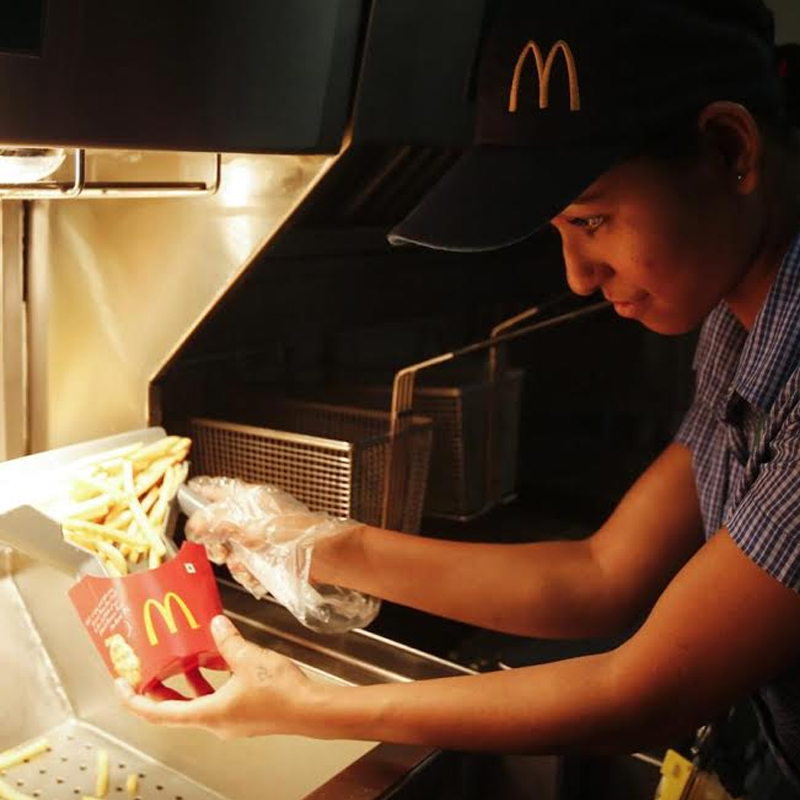
According to McDonald’s India West and South head of marketing Arvind RP, the market is observing a lot of pent-up demand in his industry segment as people are reliant on home-cooked meals for over a month because of the lockdown.
He said: “There is a lot of pent-up demand among the consumers and they will be looking for high-quality, hygienic food. Will it be more towards dining out or deliveries is a separate question, but I guess it will be more towards the latter.”
He added that since the customer might be frugal and careful with the spends, brands like his, which serve in the value category, will see an upsurge in the sales. He also noted that there will be little to no concept of brand loyalty while making these purchases.
Wavemaker India VP Kishan Kumar Shyamal said: “Brand availability is going to be greater than brand equity.”
Madison World Sigma CEO Vanita Keswani put herself in the consumer’s shoes and admits that even she is looking forward to visiting places like Hypercity for purchasing her ration than going to the local stores.
She also noted: “As per a Kantar study, Indians are hopeful that they will bounce back from the situation quickly. Also, international researches indicate that the recession will not be very terrible in the country.”
Initiative India CEO Vaishali Verma also pointed out while categories like fashion and apparel are suffering because of the lockdown, there is definitely a lot of pent-up demand that will arise once the situation normalises.
However, she added that consumers will be more rational in their choices and brands will have to adapt to their needs to benefit the most out of the situation.

Brands
33 per cent of women believe the salary scale is rigged: Naukri report
Voices @ Work study finds rising calls for equal pay audits and lingering bias
MUMBAI: Progress may be visible in India’s workplaces, but many women still feel the need to tread carefully. A new report by Naukri reveals that one in two women hesitate to disclose marriage or maternity plans during job interviews, worried that such information could influence hiring decisions.
The findings come from the second edition of Naukri’s annual Voices @ Work International Women’s Day report, titled “What Women Professionals Want.” Drawing insights from more than 50,000 women across over 50 industries, the survey sheds light on evolving workplace aspirations alongside the biases that continue to hold women back.
One of the report’s most striking insights is the growing demand for equal pay audits. The share of women calling for regular pay parity checks has climbed to 27 per cent this year, up from 19 per cent a year ago. The demand now stands alongside menstrual leave as the most sought after workplace policy.
Interestingly, the call for pay transparency grows louder higher up the income ladder. Nearly half of women earning between Rs 50 lakh and Rs 1 crore annually say equal pay audits are a priority, suggesting that pay gaps become more visible as women move up the career ladder.
At the same time, confidence and ambition appear to be rising. About 83 per cent of women say they feel encouraged to pursue leadership roles, a significant jump from 66 per cent last year. Cities in southern India appear particularly supportive, with Hyderabad leading the way as 86 per cent of respondents there reported encouragement to step into leadership positions. The education sector recorded the highest sense of encouragement at 87 per cent.
Yet the report also highlights a growing trust deficit around pay equity. Nearly one in three women, or 33 per cent, say they do not believe men and women are paid equally at their workplace. That figure has risen from 25 per cent last year, pointing to widening perceptions of disparity as careers progress.
Bias in hiring and promotions continues to be the biggest hurdle. About 42 per cent of respondents say workplace bias is the main challenge for women from diverse backgrounds. The concern is consistent across major metros, with Chennai and Delhi NCR reporting similar levels.
Reluctance to discuss personal milestones during hiring processes is also widespread. While 34 per cent overall said they hesitate to share marriage or maternity plans in interviews, the anxiety increases with experience. Among professionals with 10 to 15 years of work experience, the figure rises to 40 per cent.
Info Edge group CMO Sumeet Singh, said the data reflects both progress and unfinished work. “Behind every data point in this report is a woman who is ambitious. The fact that 83 per cent feel encouraged to lead is something to celebrate. However, the fact that one in two still hide their marriage or maternity plans in interviews tells us the work is far from done. As India’s leading career platform, it felt not just important but necessary for us to shine a light on these gaps through the second edition of our report,” he said.
The report suggests that while ambition among women professionals is growing, structural changes around pay transparency, fair hiring and supportive policies will be key if workplaces hope to keep pace.