Connect with us

MAM

Are we ready for vocal for local?

Published

on

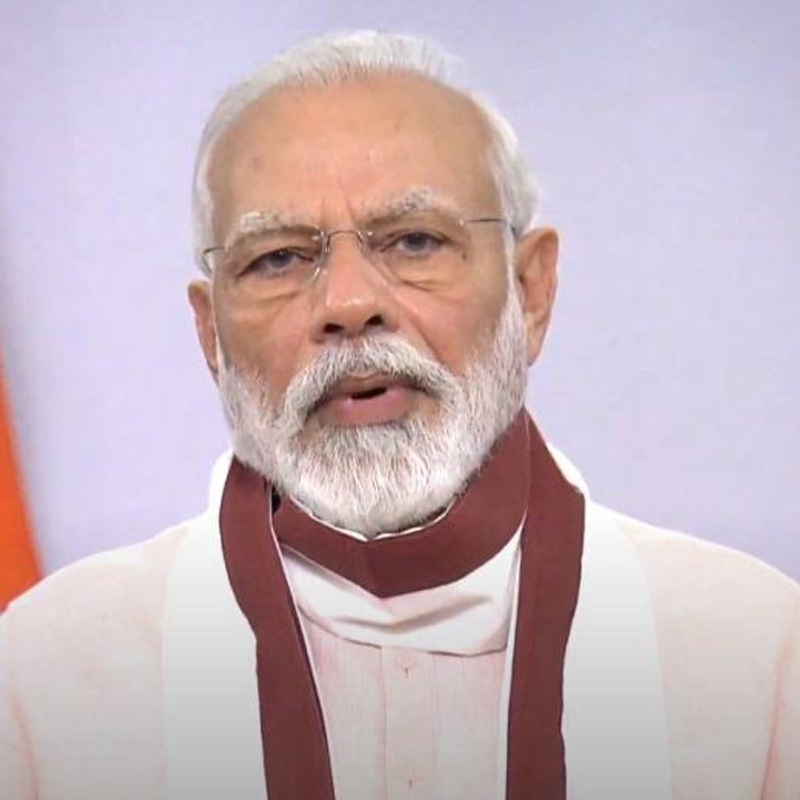
NEW DELHI: As the country transitioned into the fourth phase of Covid2019 lockdown, prime minister Narendra Modi in his effervescently charming manner stood on the national podium asking citizens to go “Vocal for Local” for building an “Aatmnirbhar Bharat” (self-reliant India), on 12 May. He also announced a stimulus package of Rs 20 lakh crores for the economy to realise this aspiration.

Following his address, union minister of finance Nirmala Sitharaman spelt out a list of reforms and reliefs, utilising the huge stimulus package, including a change in the definition of MSMEs, the introduction of collateral-free loans for the sector, injection of liquidity in DISCOMs, and liquidity support for farmers.

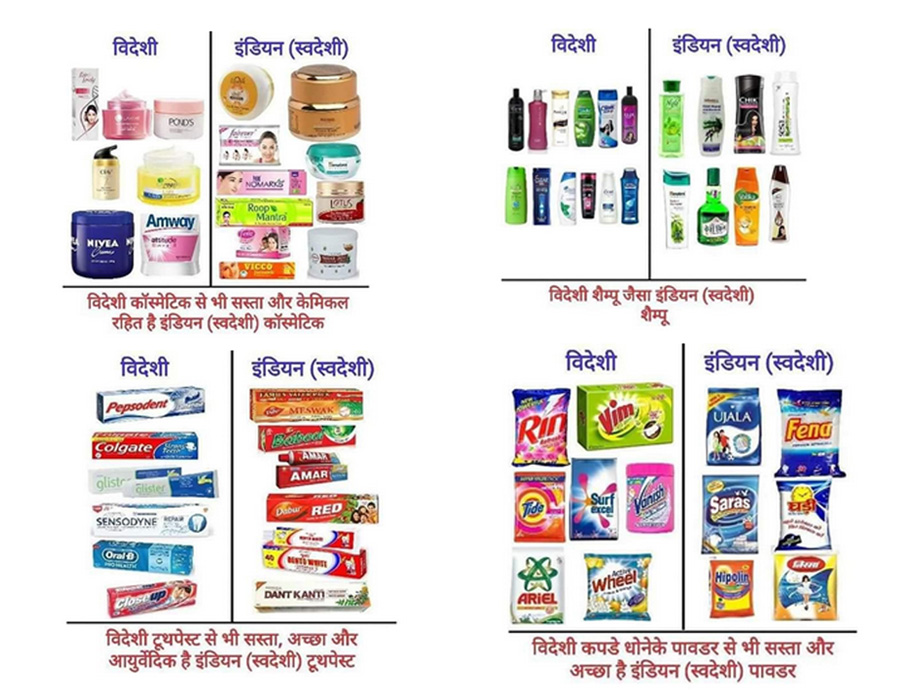
As expected, social media was abuzz with posts supporting the call for using local products, some also sharing a detailed list of global vs ‘swadeshi’ FMCG products.
Advertisement

Praising this move of the government, chartered accountant and AnBac Advisors founder Anuj Bali told Indiantelevision.com, “This is a great initiative taken by the Indian government as it is going to help us in building a stronger economy and also positively balance our imports with exports.”

He added that the way the prime minister has approached the public with the idea is also a great stimulator. “He has presented it like he had come up with the Swacch Bharat Abhiyan, motivating people to start living the movement.”

However, while the idea of going local and creating a self-reliant India has appealed greatly to the masses and industrialists, there are some structural issues, which the governments will have to address.

Advertisement

DigitalKites SVP Amil Lall says, “Going local helps any economy to grow but first we need to check if we are ready for it. For example, if we talk of mobile manufacturers or automobile manufacturers in India, we will still have to import the spare parts, as such facilities are far from realisation here. Brands like Lava, while being Indian, have their research and development departments based in China.”

Bali shared similar views as he said, “Yes, the government needs to intervene at core levels, apart from introducing financial stimulus. There are a lot of bureaucratic issues as well when it comes to acquiring land for businesses and setting up factories, which needs to be addressed.

He added, “We also need some intervention in the education sector to develop research appetite in our students.”

Advertisement

Economic experts noted that it is not very feasible to achieve this target of going completely local, given the current status of India.

Retired professor Satish K Jain, who has served institutions like JNU, shared, “It is a good idea but I think we are not really prepared it (using only local brands). You need to have proper infrastructure, rules and regulations should be easy, bureaucracy should be efficient, and there should be enough local expertise in place, all of which is lacking right now. Our infrastructure also is not developed to achieve this.”

TERI School of Advanced Studies vice-chancellor (Actg) Manipadma Datta said, “India is facing a demand-side crisis right now, but with this, we are making it look like a supply-side challenge. Even before the lockdown, we saw how automobile manufacturers were struggling as there was no demand. In addition to this, our manufacturing index and agricultural index has been falling rapidly.”

Advertisement

He added that another problem facing the Indian business sector right now is the unorganised labour class, which comprises 24 per cent of the workforce. “They have had a very traumatic experience because of Covid2019 and it will take time for them to get over it.”

Both Datta and Bali noted that the economy will grow only when all people have money in their hands and the government needs to address the liquidity issues for the consumers as well.

All of them agreed that a rework on labour laws, already in process, simplification of bureaucratic processes, and investment in research & development facilities are needed to achieve this goal, and that seems like an extension of ‘Make In India’ mission.

Advertisement

However, Datta left us with a question around how feasible and sensible is it to make a local economy in a highly globalised world. “Look at Singapore. That is a very small nation, doesn’t have enough land to put factories and relies on international facilities. Yet, it is one of the most advanced regions, not just in Asia, but globally. So, why do we really need a local approach to be self-reliant?”


Click to comment

Leave a Reply

Your email address will not be published. Required fields are marked *

MAM

Term Life Insurance Explained: Who Needs It and Why It Matters

Published

on

If you are actively investing to grow your money month after month, you already understand the value of planning ahead. SIPs, long-term portfolios, retirement planning and goal-based investing all point to one thing. You are building a future with intent.

What often gets missed in this process is one foundational question. How well is the income that funds all these plans protected?

Term life insurance fits naturally into this stage of financial planning. It does not compete with investments. It supports them by protecting the income that makes long-term growth possible.

Advertisement

Why Income Protection Is a Core Part of Financial Planning

Every financial plan begins with income. Before money is invested or saved, it is earned.

Over time, this income is allocated across multiple needs:

Advertisement

● monthly household expenses
● EMIs and long-term loans
● savings and emergency funds
● investments aimed at future goals

As responsibilities increase, financial planning becomes layered. Each layer assumes income continuity. Term life insurance exists to ensure that this structure does not become fragile due to overdependence on a single income source.

It adds stability to plans already in motion rather than introducing a new objective.

Advertisement

What does term life insurance do?

Term life insurance provides a fixed payout to your nominee if you pass away during the policy term. The purpose of this payout is practical and clearly defined.

It is intended to:

Advertisement

● replace lost income for a defined period
● help manage outstanding liabilities
● support ongoing household and goal-based expenses

There is no investment or savings component. This keeps the product focused and cost-efficient, allowing individuals to opt for meaningful coverage without diverting funds meant for growth-oriented investments.

Why Term Life Insurance Complements Investing?

Advertisement

Investments and insurance play different roles in a financial plan.

Investments are designed to:

● grow wealth over time
● compound with consistency
● be adjusted as goals and risk appetite change

Advertisement

Term life insurance is designed to:

● provide financial continuity
● protect existing plans from disruption
● remain stable once put in place

Keeping these roles separate improves clarity. Investments are allowed to perform without being forced to double up as protection, while insurance quietly supports the overall structure.

Advertisement

Who Should Consider Term Life Insurance?

Term life insurance becomes relevant when financial planning extends beyond individual needs. This typically includes:

a) Working professionals

Advertisement

When income supports shared expenses or long-term plans, protection becomes essential.

b) Individuals with long-term liabilities

Home loans, education loans and other EMIs often extend over decades. Term insurance ensures these obligations remain manageable.

Advertisement

c) Parents planning future milestones

Education, healthcare and lifestyle goals require continuity over many years.

d) Early planners with rising incomes

Advertisement

Starting earlier allows coverage to align smoothly with career progression and evolving responsibilities.

How Much Coverage Should Be Considered?

Coverage should be guided by financial reality rather than affordability alone.

Advertisement

A well-rounded evaluation typically considers:

● number of years income needs to be replaced
● existing and future liabilities
● long-term goals already planned
● inflation and rising living costs

Many insurance companies offer options starting from 50 lakhs, 1 crore term insurance and higher. It allows individuals to choose coverage based on their income, liabilities and future plans.

Advertisement

How Term Life Insurance Fits Into a Long-Term Plan

Once set up, term life insurance does not demand frequent attention.

It does not require active monitoring, market tracking or performance reviews. Its role is structural rather than dynamic.

Advertisement

By ensuring financial continuity, it allows families to:

● stay aligned with long-term plans
● avoid rushed financial decisions
● focus on execution rather than damage control

When aligned correctly, term insurance strengthens the foundation on which investments, savings and retirement plans are built.

Advertisement

Choose the Right Insurance Partner

Once the need, coverage amount and role of term life insurance are clear, the final and most important step is choosing the right partner.

This decision should be based on:

Advertisement

● clarity and transparency in policy terms
● a strong claim settlement track record
● consistency in servicing and communication
● the ability to support long-term financial planning rather than just selling a product

Term life insurance is a long-term commitment. The partner you choose today will be the one your family relies on years down the line.

When protection is aligned with purpose and backed by a dependable insurer, term life insurance becomes a quiet but powerful part of a well-built financial plan.

Advertisement
Continue Reading

Advertisement News18
Advertisement All three Media
Advertisement Whtasapp
Advertisement Year Enders

Copyright © 2026 Indian Television Dot Com PVT LTD