MAM
Covid2019 is changing how brands communicate


The Covid2019 pandemic has caused a major disruption to both life and economy, forcing businesses to shut down, million becoming jobless, and many other forced to work from home and with salary cut. During this time, brands need to consistently communicate with their consumers and stakeholders to stay connected and maintain the brand recall. As traditional forms of brand engagement are not applicable in the current scenario it is absolutely necessary that brands need to utilise digital engagement or remote engagement. As we prepare to resume our lives at the end of the lockdown, albeit with a few restrictions, these learnings of engagement across platforms is going to stay for a while.
Brands are also waking up to the renewed importance of relevant communication. Right from building narratives and relevance to creating a positive brand image is becoming extremely crucial than it was ever before; more so for SMEs and MSMEs and smaller brands.
Here are four ways how brand communication is going to change Post-Covid.
Building Narratives: The way narratives are created post Covid2019 is set to drastically change. There is a major shift in building narratives that is moving from a brand centric conversation to a consumer centric narrative. As a result, earlier conversations around brand offerings, their benefits and many more, are now shifting towards consumer education, empathy, sharing useful information on health, and how consumers can leverage what the brand has to offer during this crisis. Brands are creating narratives that focus on the consumers’ needs rather than what they have to offer, with an empathetic narrative that reflects the brands commitment towards the best interest of its consumers. And this change in narrative is going to stay long after the lockdown is gone.
Integrated Communication: Post Covid2019, brand communication is being replaced by more holistic and integrated forms of communication. On ground campaigns are definitely going to take some time to build their traction and connect with consumers and stakeholders. But during the pandemic brands have been able create a good mix of both traditional and digital media to communicate the right messaging to increase brand visibility. PR, online advertising, social media marketing, influencer marketing have all been beneficial and brands have been successful in creating the right marketing mix to get the desired results. And this approach is going to last for a long time, after the lockdown has been lifted.
Utilising the right media channels: Communicating the right message to the right audience is very crucial during this time of crisis and being able to judiciously use the right media is the biggest factor. Social distancing has changed how media is consumed and after lockdown though traditional form of media will remain but the online media will become an integral part of all communication campaigns. Apart from social media and digital marketing, innovation in new age media, including OTT, branded content, influencer collaborations and in-film branding are set to become popular.
Internal Communication: While the external stakeholders have always been extremely important, the pandemic has forced people to work from home, making brands realise the significant role that employee engagement. From giving clarity about the business to informing employees on where they stand, internal communication has a gamut of significant roles that can be beneficial to both the businesses and the employees. Keeping employees in confidence on the recent developments is a very crucial and humane thing to do for businesses and brands are slowly opening up to this aspect of building employee engagement to create long term loyalty.
Using Technology: Due to Covid2019 the dependency on technology has suddenly increased manifolds; all forms of communication, messaging and engagement activities are being done through technology. Right from the use of app like Zoom and Skype for virtual meetings to using hangouts, Instagram and Facebook live sessions for webinars, mass engagement has transformed forever. While traditional media will always be there but the nuances of technology will never be forgotten and will be utilised to further engage with audiences.
The post Covid2019 scenario is going to be a new market for brands and to be able to survive here, it is important for them to adapt to the new rules of engagement. A fresh and relevant communication strategy is needed to grow and be successful in this market and be connected with consumers.
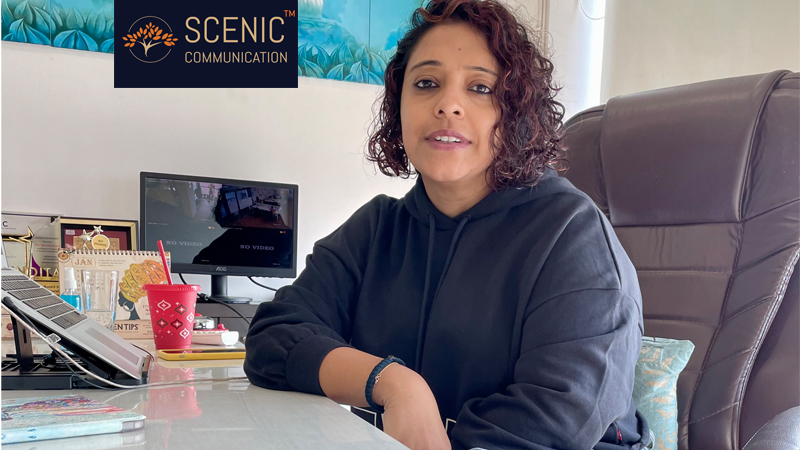
(The author is co-founder, Scenic Communication. The views expressed are her own and Indiantelevision.com may not subscribe to them.)