iWorld
DE-CIX India establishes new point of presence at Sify Technologies
MUMBAI: DE-CIX India, the largest carrier and data center neutral Internet Exchange (IX) operator in the Indian market, establishes a new point-of-presence (PoP) in Mumbai at Sify Technologies. This will be the fifth PoP of DE-CIX India in the Mumbai market. This partnership provides an opportunity to both DE-CIX India customers and Sify Technologies customers to connect with each other via cross-connect and exchange traffic improving their end-users internet experience.
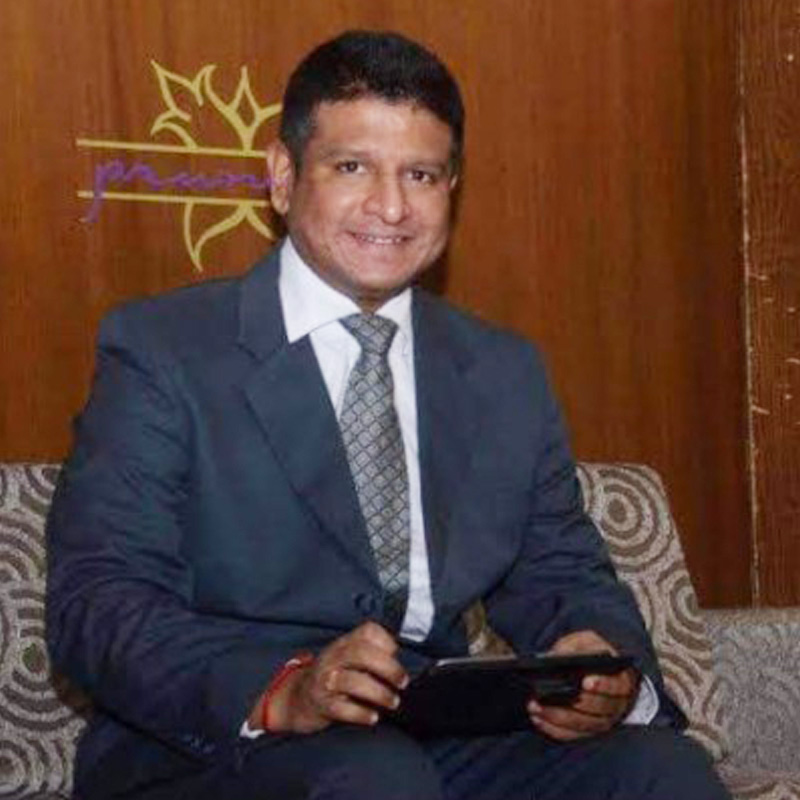
“By establishing a presence at Sify Rabale DC we offer our customers a highly connected PoP with dense fiber in DC and the vicinity with failover to public cloud services along with redundant multipath network connectivity suitable for both enterprises to access our DirectCLOUD and ISPs' needs. The new PoP will attract additional clients with low-latency edge requirements and help them cost-effectively extend their reach through access to a global network platform that reaches hundreds of networks around the world. By offering interconnection solutions that are powerful, flexible, and scalable, we can meet the rapidly growing connectivity needs of global clients across all verticals,” says DE-CIX India senior vice president, nation head sales Sudhir Kunder said.
DE-CIX India serves around 220+ networks in India with presences in Webwerks DC2, Netmagic DC5, STT Telemedia DC, GPX Mumbai and now Sify Technologies Rabale. DE-CIX is the only Open-IX certified IX in India connecting the ISPs, Content Delivery Networks, Cloud Companies, OTTs and other network providers, along with educational institutes in the connected networks.

iWorld
Micro-Dramas Surge in India, Redefining Mobile Content Habits
Meta-Ormax study maps rapid rise of short-form storytelling among 18–44 audiences.
MUMBAI: Micro-dramas aren’t just short, they’re the snack that ate Indian entertainment, and now everyone’s bingeing between the sofa cushions. Meta, in partnership with Ormax Media, has released ‘Micro Dramas: The India Story’, a comprehensive study unveiled at the inaugural Meta Marketing Summit: Micro-Drama Edition. The report maps how the vertical, bite-sized format is reshaping content consumption for mobile-first audiences aged 18–44 across 14 states.
Conducted between November 2025 and January 2026 through 50 in-depth interviews and 2,000 personal surveys, the research reveals that 65 per cent of viewers discovered micro-dramas within the last year proof of explosive adoption. Nearly 89 per cent encounter the format through social feeds and recommendations, making algorithm-driven discovery the primary engine rather than active search.
Key viewing patterns show a median of 3.5 hours per week (about 30 minutes daily) spread across 7–8 short sessions. Consumption peaks between 8 pm and midnight, with additional spikes during commutes and work breaks classic “in-between moments” that the format fills perfectly. Around 57 per cent of viewing happens in ambient mode (while doing something else), and 90 per cent is solo, enabling more intimate, personal storytelling.
Romance, family drama and comedy lead genre preferences. Audiences show growing openness to AI-generated content, 47 per cent find it unique and creative, while only 6 per cent say they would avoid it entirely. Regional languages are surging after Hindi and English, Tamil, Telugu and Kannada dominate consumption.
Meta, director, media & entertainment (India) Shweta Bajpai said, “Micro-drama isn’t a passing trend, it’s rewriting the rules of Indian entertainment. In under a year, an entirely new category of platforms has emerged, built audience habits from scratch, and created a business vertical that is scaling fast.”
Ormax Media founder-CEO Shailesh Kapoor added, “Micro-dramas are beginning to show the early signs of becoming a distinct content category in India’s digital entertainment landscape. When a format aligns closely with how audiences naturally engage with their devices, it has the potential to scale very quickly.”
The study proposes ecosystem-wide responsibility, universal signposting of commercial intent, shared accountability among advertisers, platforms, creators, schools and parents, built-in safeguards, and formal media literacy in schools.
In a feed that never sleeps and a day that never stops, micro-dramas have slipped into the cracks of every spare minute turning 30-second stories into the new national pastime, one vertical swipe at a time.