Brands
Puma expands experiential retail concept in India


NEW DELHI: Global sportswear brand PUMA today announced the launch of its entirely remodeled stores at Banjara Hills, Hyderabad and Pacific Mall, New Delhi. Spread over 4200 sq ft and 3800 sq ft, respectively, it seamlessly combines technology, sports and experiential retail under one roof. This also marks the launch of the brand’s first PUMA SELECT shop-in-shops in India to range exclusive global designer collaborations.
PUMA India and southeast Asia general manager Abhishek Ganguly said, “In line with our efforts to continue to enhance customer experience, we are thrilled to launch two completely redesigned stores in India. With health, fitness and sports becoming a priority for many, we believe Sportswear is poised to grow significantly in the future. Our stores will continue to be a key touchpoint – offering a more interactive and personalised experience. Remodeling key PUMA outlets only reinforces our commitment to engage and serve our customers better. All our stores will prioritise safety of every visitor and team members. We will strictly follow established guidelines in this regard in our daily operations.”
The stores feature digitally connected offerings, personalisation zones and futuristic product range. Incorporating experiential elements from the PUMA flagship store at 100 Ft Road in Bengaluru, key highlights include:

PUMA x YOU: The customisation studio allows consumers to customise and personalise PUMA footwear, apparel and accessories using embroidery and print. The on-demand personalisation offers over 100 quirky and fun design options to choose from.
PUMA SELECT shop-in-shop: Fusing performance with culture and fashion, this premium product line will feature the brand’s latest global collaborations with streetwear labels and designers like The Hundreds, RHUDE and Charlotte Olympia among others.
Updated retail concept: The design is captivating with clean lines and a very modern look and feel. Taking the consumer on an intuitive shopping journey, the elevated layout and display like illuminated footwear walls focus on the products to ensure they demand attention, stand out and resonate with the consumer.
Interactive retail experience: Consumers can now access all PUMA products at the touch of a button. The interactive screen allows them to virtually scan through the entire PUMA range and not limit their selection to styles or colors available at the store. Thus, allowing them to place an order directly from the warehouse and have it shipped to their home.
Hygiene and safety are brand’s biggest priority. All PUMA stores have implemented the required protocols to ensure enhanced hygiene measures and social distancing norms are followed. Some of these measures include:
A cap on the maximum number of consumers inside the store at any given point
Contactless payments and billing
Hourly sanitization of store fixtures including cash desk, trial rooms, door knobs and hangers
Contactless temperature screening at the store entrance
Making masks mandatory
Sanitizing hands at the entrance and at all touchpoints across the store
Demarcated areas/ layouts that allow for social distancing within the store






Brands
Samsung India elevates Aditya Babbar to lead mobile business
Exec takes charge of MX sales and marketing after Raju Pullan’s exit
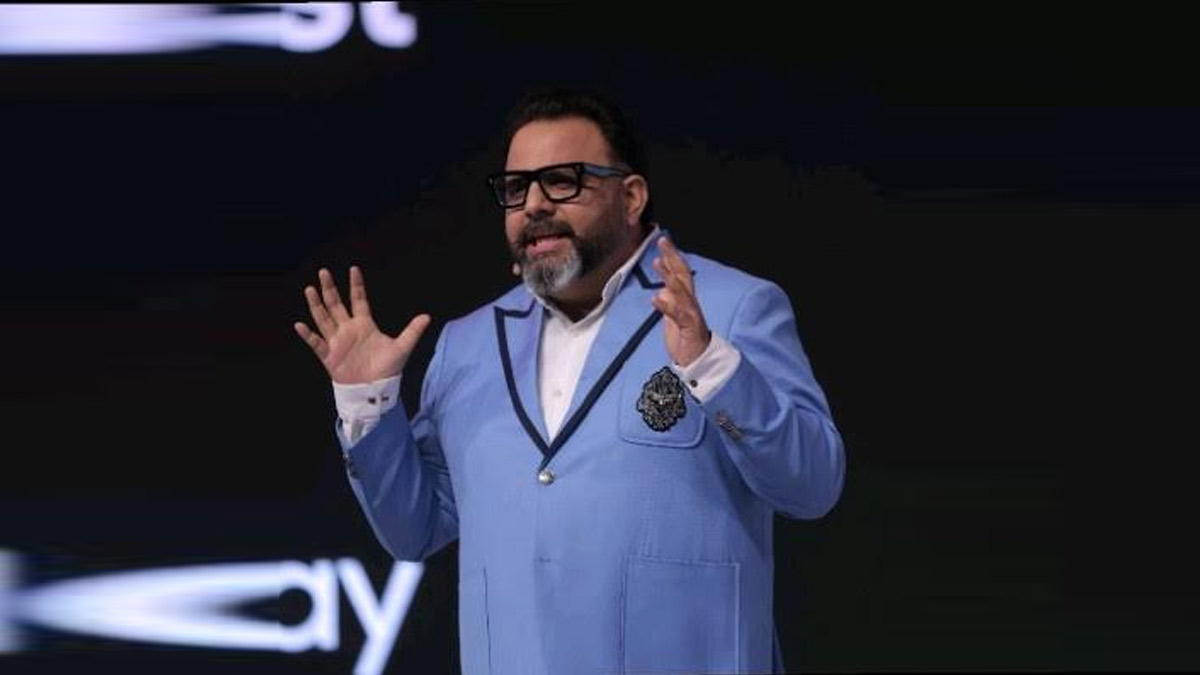
NEW DELHI: Samsung India has elevated Aditya Babbar to lead its mobile phone business, following the exit of Raju Antony Pullan.
Babbar, who previously served as vice president within the mobile division, has been appointed head of sales and marketing for the MX (mobile experience) business, effective May 1. In his new role, he will oversee the company’s sales and marketing operations for smartphones and related categories in India, reporting to the executive vice president of the MX business.
A long-time Samsung executive, Babbar brings over a decade of experience within the organisation, having held multiple leadership roles across product, marketing and category management. Most recently, he led product marketing and e-commerce for the mobile division, following earlier stints as head of product and marketing and senior director roles.
His career within Samsung Electronics and its India operations has also included responsibilities for flagship devices, tablets and wearables, giving him a broad view of the company’s premium and mass-market portfolio.
Babbar succeeds Pullan, who stepped down from the role, marking a leadership transition at a time when India remains a key battleground for global smartphone makers.
The appointment signals continuity within Samsung’s leadership bench, with an internal candidate stepping up to steer one of its most critical business units in a highly competitive market.