iWorld
Netflix’s ‘Indian Matchmaking’ shows content is the best marketing tool for OTT platforms

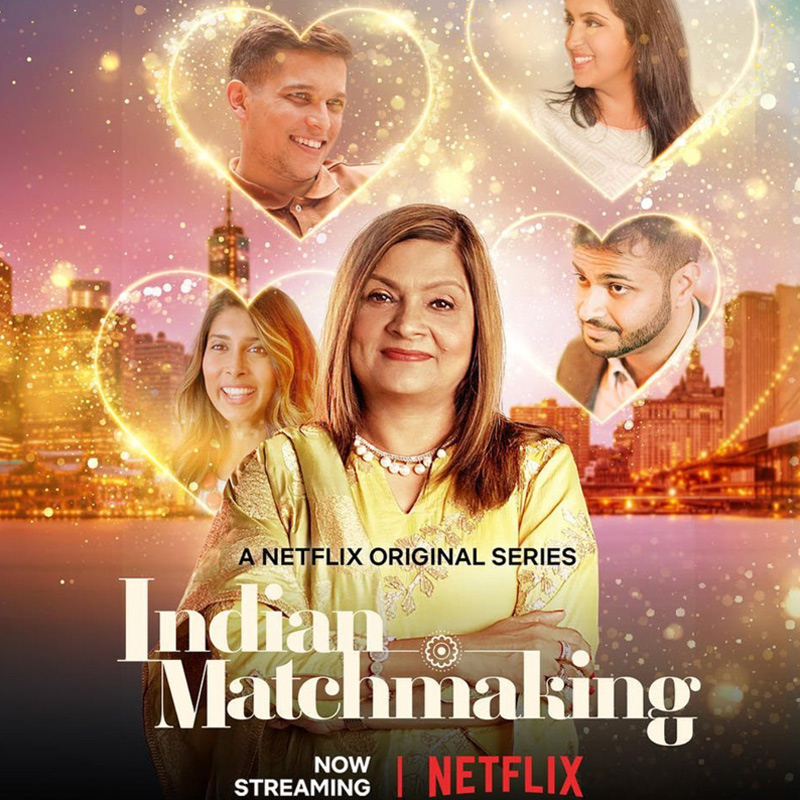
KOLKATA: A week after Netflix dropped Indian Matchmaking, Mumbai-based matchmaker Sima Taparia had her face splashed on memes and posts on social media. Unlike its reality TV breakout hits Love Is Blind and Too Hot To Handle, Indian Matchmaking does not show a liberal dating culture setup or deep connection of love. Instead, it promotes the Indian arranged marriage trope.
Media, content creators and millennials across the globe have expressed their views and written official reviews about the latest trending show. While some think we can’t hide bitter truths for long, some are of the view that Netflix should not have promoted such a tainted social system. The appearance of colourism and casteism has made it receive a fair amount of backlash.
“While the show normalises patriarchy and racism, the reason why we are hooked (including those of us who are outraged by it), from my observation, is because Indian Matchmaking gives us an opportunity to project our ideals and ‘wokeness’ on the back of the show. Screenshotting problematic statements and uploading it on my Instagram stories is a part of my ‘full watching experience,’” says Dentsu Webchutney creative director Binaifer Dulani.
The trend again establishes a cliched notion that content is the biggest marketing tool for OTT platforms. The appealing shows broaden the appeal of the platform and help to grow a diversified following. And obviously, content travels globally. The show was not an Indian original from Netflix but it has received a great response from the country. As on Thursday morning, it was trending as the number one show in the country. Oddly, its local originals have not been able to create any buzz lately.
“For an OTT player, there are two kinds of products, the tech platform and the content it hosts. And irrespective of the business category, the rules stay the same. No matter how buzzworthy the marketing campaign is, if the product lives up to it, it takes it notches higher. The show almost immediately opened up an undercurrent of conversation and everyone wants to be in on the memes they scroll past. This need for belongingness is a big driver for subscriptions. And a good marketing strategy would only add to it by evolving and capitalising on this wave,” Dulani adds.
“As the OTT market matures, we would begin to see genre-specific specialised platforms emerge, and so a distinct image. However, as of now most OTT platforms are generic entertainment service providers with content driving their imagery. New content campaigns become their marketing drive to recruit new subscribers and segments,” says Brand-nomics managing director Viren Razdan.
The audience has always perceived Netflix as a progressive, socially-aware platform and the platform has always been aware of its take on sensitive issues.
Dulani adds, “Funnily enough, Netflix has managed to create this persona where you feel it thinks like you and is secretly laughing at some of the catchphrases with you (in spite of the ‘Netflix, what is this trash’ comments). Perhaps because Netflix manages to play the role of creator and spectator seamlessly. Through its owned content on social, it’s part of the Indian Matchmaking meme culture, like the rest of the internet.”
“However, I feel that all content creators, advertisers and OTT platforms should further content that shows a world that’s more equal and questions problematic norms rather than glamorising them. I strongly believe that time and money should be invested in the pursuit of that versus clickbait. We carry this responsibility together,” she points out.
Razdan says that in the new scenario, with movie halls going out of the social scene for a while, new releases lining up on OTT platforms are going to create the new blockbuster labels of content viewing.
For now, Indian Matchmaking, though not made in India, has created all sorts of criticism on social media and has only served to spread the name of Netflix. Despite the negative comments, it could work well in getting more subscribers as Netflix targets India with new lower-priced plans.