MAM
IAS introduces mobile in-app support for unified media quality and eye-tracking


Mumbai: Integral Ad Science (Nasdaq: IAS), a global media measurement and optimisation platform, announced the expansion of its Quality Attention measurement product, adding support for mobile in-app environments. Quality Attention is the first measurement product to unify media quality and eye tracking with machine learning to deliver proven results.
This enhancement to Quality Attention continues IAS’s commitment to providing advertisers with expanded coverage across additional channels and formats. In addition to expanded environment support, the Quality Attention model has improved the accuracy of the correlation between attention scores and outcomes. IAS’s attention model is designed to predict if an impression is more likely to lead to a business result including awareness, consideration, and conversion.
According to eMarketer, apps are predicted to reach a dominant 82 per cent share of the anticipated $200B in mobile ad spend this year. Advertisers now have access to an attention measurement product that will drive superior results across their mobile in-app campaigns and protect their growing investments in mobile. In the recent IAS report, Taking Action on Attention: Volume II, when comparing business results between low and high attention scores, higher attention impressions experienced success rates (e.g. conversions) that were twice as high as those with low attention.

“It’s essential for attention measurement to drive outcomes and campaign performance for advertisers,” said Integral Ad Science CMO Khurrum Malik. “The latest enhancements to our purpose-built Quality Attention offering are expected to provide advertisers with more granular signals and expanded coverage across the channels and formats that are most important to them.”
Quality Attention provides global advertisers with:
● Expanded Coverage and Metrics: Measurement across mobile in-app environments and new metrics including the number of ads that paused, resumed, skipped and started a video ad, in addition to volume change and sub-metrics of volume change.
● An Advanced Machine Learning Model: A singular view of campaigns’ attention performance, trained based on a pool of data consisting of billions of impressions and millions of conversion events.
● Proven Performance and Brand Results: Up to a 130% lift in conversion rates when comparing high attention impressions to low attention impressions, with greater attention scores seeing 91 per cent higher brand consideration and 166 per cent higher purchase intent.
● Unification of Media Quality with Human Attention: IAS is the first company to combine one of the world’s largest consumer attention biometric data sets with media quality metrics to provide the most accurate picture of attention for global advertisers.
With Quality Attention, advertisers can capture higher attention to drive campaign performance and unlock proven results. Quality Attention uses advanced machine learning technology, actionable data from Lumen Research’s eye-tracking technology, and a variety of signals obtained as part of IAS’s core technology, including viewability, ad situation, and user interaction, and weighs them into a single attention score.
“The latest enhancements to IAS’s Quality Attention offering are a step forward in creating a more accurate picture of attention for advertisers,” said Mike Follett, CEO at Lumen Research. “We were excited to combine our cutting-edge eye-tracking data with IAS’s attention model and now advertisers have access to even more granular information across the in-app environment.”
In January 2024, IAS announced the general availability of its Quality Attention measurement product – the first to unify media quality and eye tracking with machine learning. The offering provides transparent metrics to help global advertisers increase return on investment, drive brand consideration, and boost conversions.





Brands
Estée Lauder to shed 10,000 jobs as new boss bets on digital shift
The cosmetics giant raises its profit outlook but stays silent on a possible merger with Spain’s Puig, as job cuts deepen and a three-year sales slump weighs on the turnaround
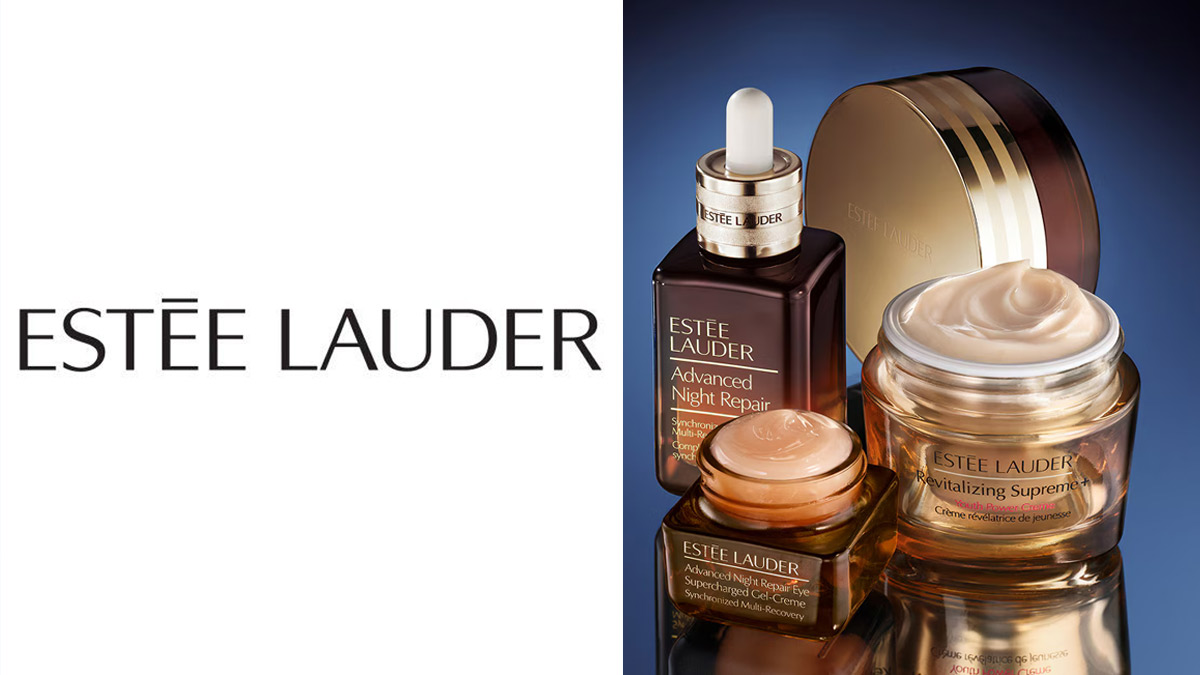
NEW YORK: Stéphane de La Faverie is not done cutting. Estée Lauder announced on Friday that it plans to eliminate as many as 3,000 additional jobs, taking its total redundancy programme to as many as 10,000 roles, up from a previous target of 7,000 announced a year ago. The company, which owns La Mer, The Ordinary, Tom Ford, and Aveda, employs roughly 57,000 people worldwide. The mathematics of what is now being contemplated is stark.
The fresh round of cuts is expected to generate a further $200 million in savings, bringing the total annual savings from the programme to as much as $1.2 billion before taxes. That money, De La Faverie has made clear, will be ploughed back into the turnaround.
A CEO in a hurry
De La Faverie, who took the helm in January 2025, inherited a company that had endured three consecutive years of annual sales declines. His response has been to move fast and cut deep. A significant portion of the latest redundancies reflects his push to reduce headcount at US department stores, long a cornerstone of Estée Lauder’s distribution model but now a channel in structural decline. In their place, he is accelerating the shift toward faster-growing online platforms, including Amazon.com and TikTok Shop, a pivot that is reshaping not just where Estée Lauder sells but how it thinks about its customers.
The numbers are moving in the right direction
Despite the pain, there are signs the medicine is working. Estée Lauder raised its profit outlook for the remainder of the fiscal year, guiding for adjusted earnings per share in the range of $2.35 to $2.45, above analyst estimates and a notable step up from the $2.05 to $2.25 range it had guided for in February. Organic net sales growth is expected to come in at 3 per cent, the company said, at the high end of the range it set out in February.
The share price tells a mixed story. After De La Faverie took charge, the stock surged nearly 60 per cent, buoyed by investor optimism that a longtime company insider could finally arrest the decline. But 2026 has been rougher: the shares have fallen 27 per cent this year, weighed down by disappointing February results and the overhang of unresolved merger talks with Spanish beauty giant Puig Brands SA. The company gave no additional details about those discussions on Friday, leaving the market to guess.
Silence on Puig
The proposed tie-up with Puig remains the most consequential unknown hanging over Estée Lauder. A deal with the Barcelona-based group, which owns brands including Carolina Herrera and Rabanne, would reshape the global luxury beauty landscape. But with nothing new to say and a turnaround still very much in progress, De La Faverie is asking investors to trust the process.
Three years of sales declines, 10,000 job cuts, and a merger that may or may not happen. At Estée Lauder, the overhaul has barely started.