MAM
Gulzar pens a beautiful ode to #NewspaperMornings depicting TOI reader’s intimate relationship with the newspaper


The pandemic has brought in massive changes in the way we live. Social distancing, work-from-home, online schooling, virtual events etc. are all visible changes that are affecting our everyday lives. The world is grappling with uncertainty, and it is more important now than ever to be equipped with accurate information to fight off the rumors and fear. Newspapers have always enabled trustworthy and insightful journalism that prints the truth without fear or favor. As we yearn for normalcy in the new-normal, The Times of India, India’s largest English newspaper, launched a beautiful ode to #NewspaperMornings that highlights the power of the printed word and its intimate relationship with its readers in shaping their mornings.
The poetry #NewspaperMornings is penned by and narrated by poet, and lyricist Gulzar Saa’b and weaves in the close relationship a reader shares with his/her newspapers. Sometimes a companion with the morning chai, sometimes feeding our thirst for intense debate and sometimes newspaper is a discovery of new and unknown. The pleasure of reading a newspaper is in the intensity of the words that are printed, not its decibel. Newspapers don’t just bring us news and views every morning, they empower us to create our own opinions. TOI’s campaign #NewspaperMornings showcases this personal relationship that a newspaper has with it’s reader as the reader holds it, folds the pages and immerses oneself in the platter of news. The core messaging of the campaign ‘some relationships never change’ builds on the legacy of brand TOI, its commitment to bring fact-checked news to the readers and authenticity of the role of newspaper in life of its readers.
Speaking about the campaign Sanjeev Bhargava, Director, Brand TOI said, “Across the world, newspapers are the most trusted source of news, and our readers already know that. Reading a newspaper is not merely flipping through pages. We all have our unique way of reading our newspapers – some sit on a table, some lounge on floor, some start from front page, some go reverse and so on. The charm of reading a newspaper is an intimate and uninterrupted immersion into news, that is both relaxing and intense depending on the pace of its reader. The poetry narrates this experience from the eyes of the reader. During uncertainty, access to accurate information is critical. And, we stay committed to our readers to bring them unbiased and authentic news to ensure our relationship with our readers strengthen further.”

#NewspaperMornings is a multi-platform campaign and will engage into a dialogue with TOI’s readers. The film featuring Gulzar Saab’s poem is available on TOI’s digital and social media handles. The campaign will be further amplified across television, OTT and digital platforms.



As homes evolve to reflect a growing focus on wellness, hygiene, and long-term durability, the materials we choose are coming under sharper scrutiny. It’s no longer just about how a space looks, but also about how it performs under daily use. From accidental spills in the kitchen to everyday wear in living spaces, the right materials can make the difference between a home that simply appears clean and one that actively supports healthier living.
Across categories like paints, surfaces, and furniture, there is a clear shift towards solutions that minimise toxins, resist stains, and are easier to maintain. Here’s how thoughtful material choices can help create a home that is both beautiful and better for everyday life.
Cleaner Walls: The Shift to Low-VOC Paints
Walls cover the largest surface area in any home, making them a critical factor in indoor air quality. Traditional paints often contain high levels of Volatile Organic Compounds (VOCs), or chemicals that can release harmful fumes long after application. These emissions are known to contribute to headaches, respiratory irritation, and long-term health concerns, particularly in enclosed spaces.
This has led to a growing preference for eco-friendly paints, which are formulated using natural, non-toxic, and sustainable materials. With low to zero VOC content, these paints significantly reduce indoor air pollution and create a safer environment for families, especially children and the elderly. Water-based formulations are another key advancement, as they limit the use of hazardous solvents without compromising on finish or durability. Brands like Nippon Paint have introduced eco-friendly, child-safe paint ranges that align with this shift towards healthier interiors.
Beyond composition, finish also plays a role in maintenance. Satin, eggshell, and semi-gloss emulsions are increasingly preferred for interiors, as they are less absorbent and more resistant to stains, making walls easier to clean and maintain over time.
Hygienic Surfaces: Where Performance Meets Everyday Living
If walls influence air quality, surfaces, especially in kitchens and children’s bedrooms or play areas, directly impact hygiene. Interestingly, studies have shown that kitchen surfaces can sometimes harbour more bacteria than bathrooms, largely due to frequent exposure to food, moisture, and spills.
This makes the choice of countertop and surface material particularly important. Porous materials can absorb liquids, leading to staining and potential bacterial growth over time. In contrast, non-porous surfaces offer a more hygienic alternative, as they prevent absorption and are easier to clean.
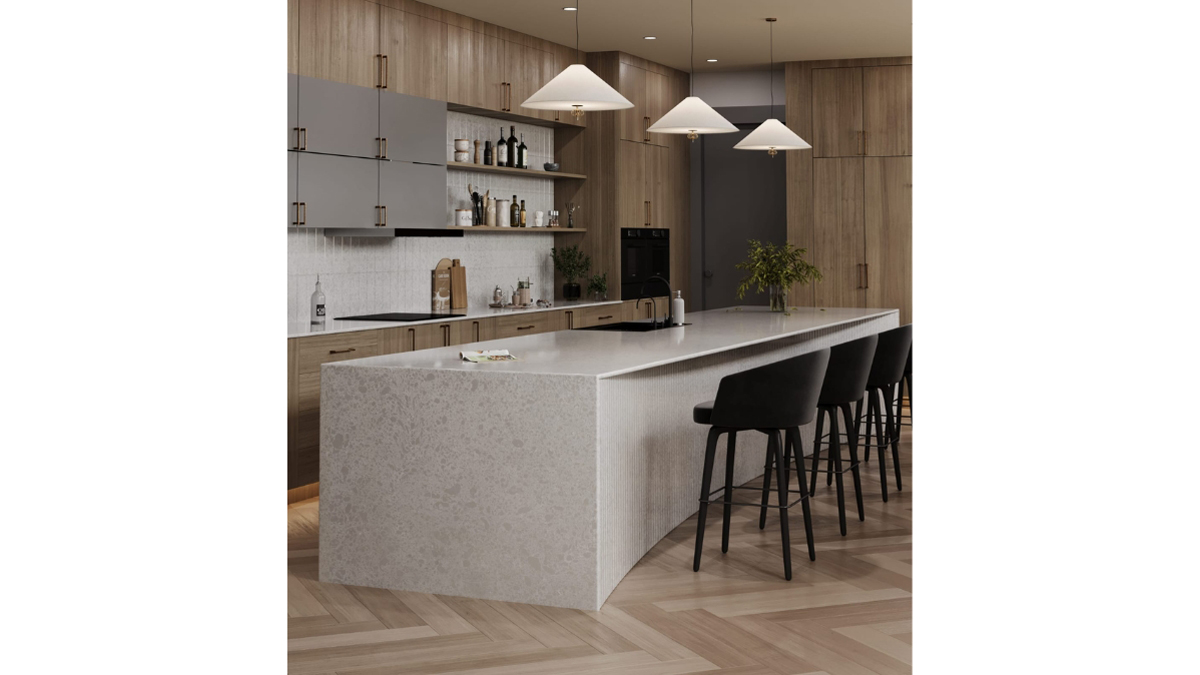
Engineered quartz surfaces have emerged as a strong solution in this space. For instance, offerings from Specta Quartz Surfaces are designed to address both hygiene and durability concerns. Being non-porous and impenetrable, these surfaces do not absorb liquids, making them resistant to common household stains such as tea, coffee, turmeric, or juice. They also offer ease of maintenance, as most spills can be cleaned with a damp cloth, and occasional use of mild soap is enough to restore the surface.
Additionally, they are NSF and GreenGuard certified, proving that these surfaces are safe for direct food contact and do not support the growth of bacteria, mould, or mildew. This is particularly relevant in Indian kitchens, where cooking often involves heavy use of spices, oils, and frequent cleaning.
Smart Furniture Choices
Furniture is another area where material choice plays a crucial role in maintaining a clean and healthy home. Sofas, chairs, and wardrobes are constantly exposed to dust, spills, and daily wear, making durability and stain resistance key considerations. Fabrics like microfiber, leather, and synthetic blends like polyester or olefin are becoming popular for upholstered furniture. These materials are designed to repel liquids, resist scratches, and withstand regular use, making them ideal for households with children or pets.
Brands like Orange Tree offer furniture that combines aesthetic appeal with practical material choices. Laminates from companies like Century Ply are now designed to be stain-resistant and durable, making them suitable for wardrobes, cabinets, and seating. These finishes not only enhance longevity but also reduce the effort required for daily upkeep.
Designing for Long-Term Well-Being
What ties these material choices together is a broader shift in how we think about our homes. Cleanliness is no longer just about routine maintenance, it begins with selecting materials that are inherently easier to maintain, safer to use, and more resistant to wear.
Low-VOC paints contribute to better air quality, non-porous surfaces improve hygiene, and performance-driven furniture materials reduce the stress of everyday living. Together, they create an environment that supports both physical health and peace of mind.
As modern lifestyles become more fast-paced, the demand for homes that are low-maintenance yet high-performing will only continue to grow. By choosing materials that can handle spills, resist stains, and stand the test of time, homeowners can create spaces that are not just visually appealing, but also fundamentally healthier to live in.







