MAM
Pubnation: Cover prices form important part of print media revenue


NEW DELHI: In the last few years, the input costs for newspapers has gone up coupled with the economic slowdown. It has been a point of concern for the publishing houses as their business model is much tilted towards advertising.
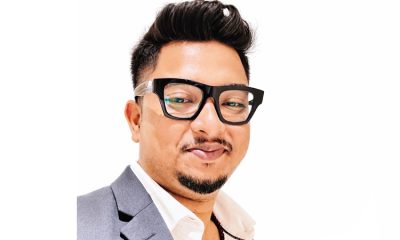
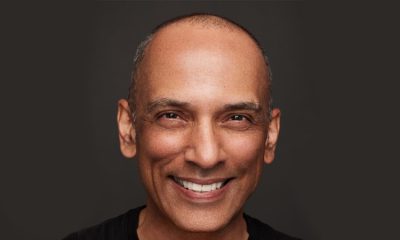
At Pubnation, the virtual roundtable organised by Indiantelevision.com, in which representatives of leading media houses were present as panel members. This includes The Hindu chief revenue officer Suresh Balakrishna; Malayala Manorama VP marketing and ad sales Varghese Chandy; Punjab Kesari Group director Abhijay Chopra; Sakshi Media Group ED & CEO Vinay Maheshwari; HT Media Ltd executive director Rajeev Beotra; The Pioneer general manager Gurudatta Jha. The session was moderated by IndianTelevision.com Group founder CEO and Editor-in-chief Anil Wanvari.
Experts stressed that it is important to strike a balance between the cover price and advertising. Companies should not rely on one specific model to run the business.

Overdependence on this kind of business model is creating a lot of pressure.
In the past few years, many newspapers have been hiking their cover prices. Experts believe that it's a necessary measure. Right now, cover prices across publications are 35-40 per cent higher than what they were three-four years ago, said Maheshwari. “They are certainly going to go up further, but it is not because of Covid situation. We increased the cover price last month and have not lost an iota.”
Punjab Kesari also increased its cover price without any impact on its circulation, claimed Chopra. “I believe the cover price describes your product. The fact your newspaper is so expensive because you are putting in good content, and associating your brand to a premium level actually leads to an increase in ad prices. It will also help the advertiser movement,” he explained.
When it comes to pricing, Balakrishna proudly stated that The Hindu is the most expensive English newspaper in the country by a mile and a half – because of its great content, and users should pay for it. “We are at 63:37 the ratio of the advertiser to subscriber money. It is quite handsome for a newspaper. The moment you are less reliant on advertising revenue you can have proper pricing; you need not be pushed by media agencies.”
However, having a different view from the rest of the panelists, Jha asserted that the cover price does not contribute much to their revenue and the business was mostly dependent on advertising revenue. “Even if we think of increasing the cost price it will not help us, and in the last few years, we have not increased any cost price. Our newspaper is only Rs 3, and still, we are doing pretty fine, our e-papers are also free. We have 90 per cent advertising revenue and 10 per cent subscription.”