Documentary
A Bra Ka D Bra is a takedown of the culture of body shaming

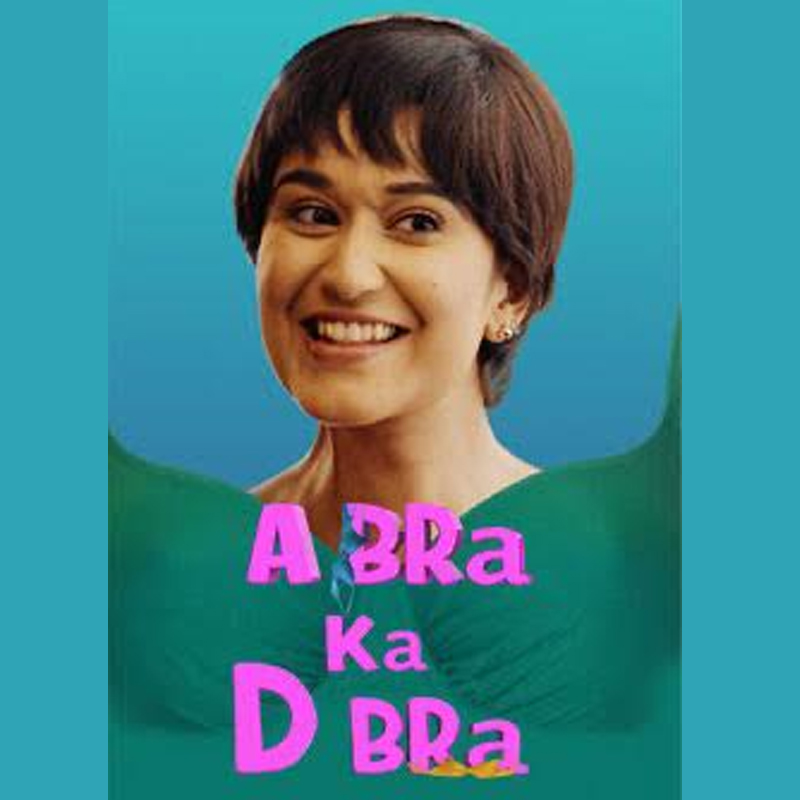
NEW DELHI: Insecurities. Everyone has them. Stemming from the perception of how others see us. In the age of Instagram we’re all on display, and for many people, their self-esteem hinges on that one ‘heart’ from virtual strangers. Even though no two bodies are alike, and there is no right way to be beautiful, we’re all chasing that unattainable ideal – be it bubble booties, thigh gaps or perfectly plump bosoms.
Which brings us to the heart of the movie A Bra Ka D Bra – the story of a young woman struggling to accept the fact that she is flat-chested. Her struggle is very real and very valid, for she inhabits a society where adolescent girls put women like Kim Kardashian and Kylie Jenner on a pedestal and want to look like them in the hopes of one day getting a taste of their high-rolling lifestyle. While the protagonist Bani may not aspire to be a Kardashian, she is exceedingly conscious of her own lacking assets, a fact that is rubbed in her face at every turn by family members, peers and even random passers-by. Her cousin knowledgeably points out to her – bada hai tabhi to behtar hai (Bigger is better) – which perfectly sums up the mindset of people today.
Living in this toxic environment does a number on Bani, who resorts to every trick in the book, from creams to padding, to give her cup size a boost. While these scenes may have been presented humorously, they also highlight the insidious effect that body image issues and body shaming can have on a person’s psyche. Bani, played brilliantly by Prachi Bansal, is far from defined by her boobs (or lack thereof). She is a confident ace basketball player, a starry-eyed small town girl who moves to the big city, and dreams of fulfilling her passions and finding love. Yet her vibrant personality and busy life are gradually overshadowed by one aspect of herself that she is insecure about – which society has conditioned her to believe is the be-all and end-all of being a woman.
Like any teenage girl, Bani wants to fit in, make friends, have a lit college life – so when nature fails her, she takes matters into her own hands and stuffs her bra with fake pads. The scheme pays off – for a while. The pads hamper her when she plays, so she quits basketball. It also attracts an unwelcome suitor, which leads to unsavoury consequences. Eventually, the pretence and lies catch up with Bani, pushing her into despair and making her consider an extreme and irreversible step.
But thanks to her clueless but supportive father, better sense prevails. The message is clear: love yourself. Acceptance and being comfortable in your skin may be hard to come by, but its better than kowtowing to superficial standards of beauty that invariably take a toll on one’s self-esteem.
Bani’s story is a reality that millions live with. Some are unhappy with the shape of their body, some with their height, others with their skin tone. They are trolled and shamed both online and offline; they are depressed and filled with self-loathing. Producer Shyamashis Bhattacharya and director Neelima Bajpai take up a bold subject to explore in their maiden venture for the big screen and they execute it well. Bani’s inner turmoil and frustration with the world that constantly looks down on her is showcased with a deft hand by the writing team comprising Bajpai, Amit Babba and Indira Bisht. The screenplay could have been more cohesive and flown better, but doesn’t detract from the overall impact of the story. The supporting cast also leaves an impression – Avinash Mishra is Vidyut, the lovable himbo Bani crushes on; Poulomi Das plays the prickly friend Shanti and Luv Vispute shines as the happy-go-lucky confidant with a few secrets of his own.
A Bra Ka D Bra is a step in the right direction. It’s a wake-up call for a society obsessed with outward appearances, and a shot in the arm for those lacking in body confidence. The film can be streamed online as a pay-per-view on BookMyShow.