MAM
Aisle’s #FindAnkit campaign brings meme marketing to new heights
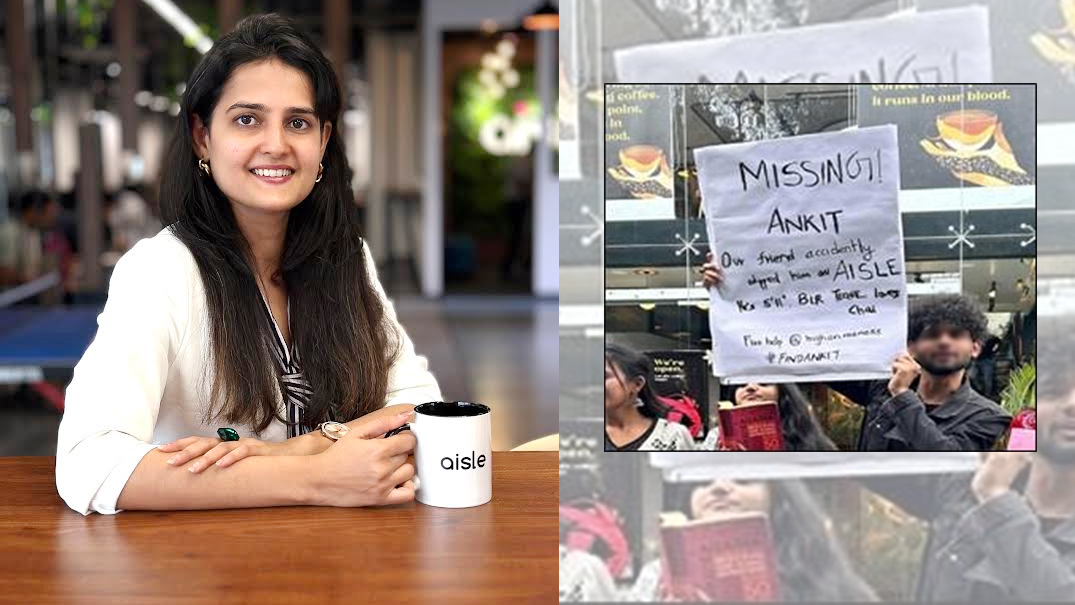
MUMBAI: Romance and memes—a pairing as timeless as chai and rain. Aisle has hit the sweet spot with its latest meme marketing campaign, #FindAnkit, blending humour, nostalgia, and modern matchmaking. This campaign, which exploded on Bengaluru’s social media scene and iconic streets like Church Street, has become a viral sensation, showcasing how even a dating app ‘swipe mishap’ can lead to a city-wide love quest.
The campaign began when a playful tweet from a group of friends revealed that one of them had accidentally skipped a profile on Aisle—a 5’11” chai-loving techie named Ankit from Bengaluru. Armed with witty placards and heartfelt pleas, the group took to the streets, turning the quest into a public mission. Their light-hearted appeal was simple: “Help us find Ankit!” Social media influencers and meme lovers soon joined the fun, with one popular X (formerly Twitter) influencer rallying their followers to tag every ‘Ankit’ in their contact list.
What happened next? Chaos—delightful, hashtag-fuelled chaos. Aisle didn’t miss a beat, jumping into the action with cheeky tweets and amplifying the hashtag #FindAnkit. The result? Timelines flooded with tags, memes, and witty banter, as netizens united to locate the elusive techie.
Aisle Network head Chandni Gaglani described the campaign as a playful ode to old-school romance, “At Aisle, we believe love isn’t just about profiles and swipes; it’s about creating moments that matter. #FindAnkit is a light-hearted, Bollywood-style effort to show that putting yourself out there can be romantic too. With this campaign, we’ve turned an accidental skip into a collective mission—proving that effort, humour, and a little serendipity make modern matchmaking just as special.”
The campaign’s numbers speak for themselves. 8.6 million reach, 9.8 million views, and an entire city talking about Ankit. Aisle has not only driven engagement but also reminded everyone that meaningful connections require a touch of persistence and charm.
The campaign’s clever approach resonated deeply with Bengaluru’s meme-loving crowd. By tapping into the city’s love for humour and community-driven missions, #FindAnkit didn’t just entertain—it created a shared moment that blended digital culture with the charm of chance encounters.
So, has Ankit been found? That’s for the internet to decide. One thing is clear, though—Aisle has captured the essence of modern romance, one meme at a time.

MAM
India’s experience economy grows as live events market hits Rs 17,000 crore
EY-Parthenon and BookMyShow report finds 78 per cent Indians prefer experiences over products
MUMBAI: India’s live entertainment scene is no longer just about music, comedy or festivals. It is increasingly becoming a powerful stage for brands seeking deeper connections with consumers.
A new report titled Beyond Attention, Into Immersion by EY-Parthenon and BookMyShow suggests that India’s experience economy is entering a strong growth phase, driven by consumers who are choosing memorable moments over material purchases.
According to the study, the country’s live events ecosystem, which includes concerts, comedy tours, festivals and immersive exhibitions, is estimated to reach around Rs 17,000 crore in 2025. The growth reflects a broader cultural shift in how Indians spend their time and money.
The report finds that 78 per cent of Indian consumers now prefer spending on experiences rather than physical products. From attending concerts and festivals to participating in interactive brand installations, audiences are increasingly seeking engagement, community and shareable moments.
This change in consumer behaviour is particularly evident among younger audiences who want to participate rather than simply watch. Instead of passively consuming entertainment, many now look for experiences that allow them to interact, express themselves and connect with like minded communities.
For marketers, this shift has turned experiential marketing into a strategic priority rather than a promotional add on. Brands are moving away from interruption driven advertising and towards immersive formats that allow consumers to discover, test and emotionally connect with products.
The report suggests that experiential marketing now plays a role across the entire consumer journey. It can spark brand discovery, strengthen storytelling, encourage product trials and ultimately influence purchase decisions and loyalty.
The impact is already visible. Post event surveys conducted among 7,450 attendees at major events including Lollapalooza India and concerts by Ed Sheeran and Guns N’ Roses highlight the effectiveness of these experiences.
Around 59 per cent of attendees recalled brands they interacted with during the events, while 55 per cent said those interactions increased their likelihood of purchasing from the brand. A further 63 per cent reported that brand activations actually enhanced their event experience rather than distracting from it. Nearly 29 per cent also said the interaction improved their perception of the brand.
Brands are also changing the way they approach events. Instead of simply putting logos on stages or banners, companies are building experiences into the fabric of the event itself.
Financial services brands, for example, are offering early ticket access, exclusive lounges and curated event experiences for cardholders. Fashion and beauty companies are using festivals to showcase products through pop ups, interactive installations and social media friendly spaces that encourage visitors to share their experiences online.
The scope of experiential marketing now stretches far beyond live entertainment. Retailers are designing experiential stores where customers can explore products in lifelike environments. Entertainment platforms are extending popular intellectual properties into immersive exhibitions and fan events. Technology is also playing a growing role through augmented reality and virtual try on tools that blend digital discovery with physical interaction.
Cultural festivals remain one of the most powerful platforms for such engagement in India. Celebrations such as Navratri and Holi bring together large communities, emotional participation and heightened consumer spending. For brands, these moments offer an opportunity to become part of the celebration rather than simply advertise around it.
Despite the momentum, the report notes that some companies still hesitate to adopt experiential marketing at scale. Budget constraints, limited expertise and uncertainty around measuring return on investment remain common concerns.
However, the growing body of data around consumer engagement and brand impact is gradually addressing these challenges. More marketers are expected to allocate a larger share of their budgets to experiential formats over the coming years.
Taken together, the findings point to a clear trend. As consumers seek meaning, memories and moments worth sharing, live experiences are emerging as one of the most powerful ways for brands to stay relevant in a crowded media landscape.