News Headline
TRAI puts a ‘stop’ to unsolicited calls and messages

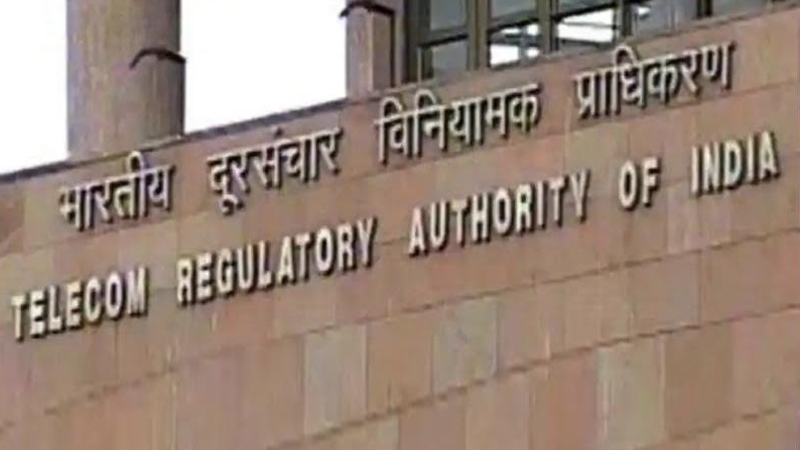
Mumbai: The Telecom Regulatory Authority of India (TRAI) is taking a firm stance on unsolicited commercial communication (UCC) with its amended Telecom Commercial Communications Customer Preference Regulations (TCCCPR), 2018. In a bid to protect consumers from spam calls and messages, TRAI has introduced a series of tightened regulations aimed at strengthening consumer privacy and improving transparency in the world of telecom communications.
Since the introduction of the TCCCPR in 2018, the framework has already made headway in fighting spam with its blockchain-based regulatory system. However, with spammers evolving their tactics and adopting new methods, TRAI’s latest regulatory tweaks aim to close loopholes, enhance consumer complaint processes, and strengthen enforcement mechanisms. The newly-amended regulations seek to bolster the fight against spam, ensure quicker action on complaints, and enforce higher accountability for telemarketers.
The latest amendments by TRAI introduce a streamlined complaint process, allowing consumers to file complaints against spam calls and messages without the need to register their preferences in advance. Additionally, the time window for lodging complaints has been extended from three days to seven days, making it more convenient for users. To ensure faster action, telecom providers must now resolve complaints within five days, a significant reduction from the previous 30-day timeframe. Moreover, the threshold for action has been lowered, requiring just five complaints in 10 days instead of the earlier 10 complaints in seven days, making it easier to clamp down on repeat offenders.
Strengthening consumer control, telecom operators will now be required to provide a mandatory opt-out option for promotional messages, ensuring customers have a hassle-free way to reject unwanted communications. Additionally, financial disincentives have been introduced for telecom providers found misreporting UCC instances, with escalating penalties for repeat violations, reinforcing strict accountability within the industry.
Moreover, TRAI has implemented stringent rules to curb the misuse of telecom resources for telemarketing. This includes banning normal 10-digit numbers for promotional messages and encouraging telemarketers to use dedicated number series (such as the 1600 series for transactional messages). Violators of these regulations now face severe penalties, including suspension of telecom services for up to a year for repeat offenders.
Additionally, physical verification and biometric authentication for telemarketers and senders will further ensure accountability and traceability in the industry. Telecom providers are also required to implement honeypots to help identify spam calls early, thus preventing widespread misuse.
As digital communications continue to play an essential role in business and personal interactions, these new measures will go a long way in ensuring a cleaner, safer telecom environment. TRAI’s latest reforms aim to create a balance between consumer protection and the need for legitimate commercial communication, marking a new chapter in India’s telecom regulatory landscape.