Gaming
PM Modi urges India’s gaming talent to shift from consumer to producer economy

Mumbai: In a landmark moment for the Indian gaming and esports industry, prime minister Narendra Modi highlighted the potential of India’s gaming sector during his Independence Day address at Red Fort.
By speaking about the emergence of gaming as a significant market, he noted that the industry is still heavily influenced by foreign producers and revenue sources.
A recently released report by Sandsoft reveals that 81 per cent of experienced mobile game developers are currently working on at least one new title. The report, based on research conducted among game developers in the United States, France, and Spain, states that 83 per cent have raised capital to develop or market these games. This surge in activity indicates that global gaming developers are ready to take the next leap forward.

For India to make a substantial impact on the global market, it needs to transition from being a consumer to becoming a leading producer. The Prime Minister also emphasised that India, with its rich heritage, has the potential to bring its talent into the gaming world. He expressed his desire for India’s gaming products and animators to establish a strong international presence and called for collective efforts to achieve this vision.
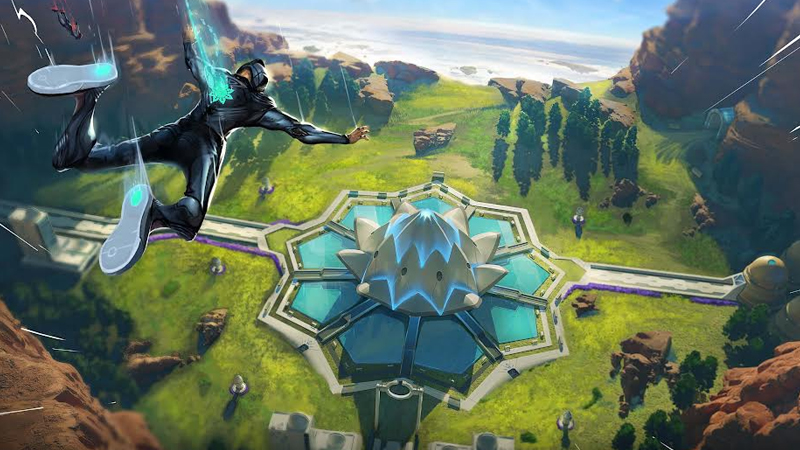
One game that is poised to assert India’s dominance on the global stage is Indus Battle Royale, being developed by Pune-based SuperGaming. Inspired by the nation’s rich cultural history, the game will help India carve its niche in the global market to develop culturally rich games.
SuperGaming co-founder and CEO Roby John expressed his enthusiasm for the Prime Minister’s message by stating, “With his inclusion of providing opportunities to Indian game developers in this exponentially growing market, Prime Minister Narendra Modi has provided a major boost to the Indian gaming industry in his Independence Day address. Gaming is an expression of your art and culture, and Modiji is the first Prime Minister to recognize, encourage, and inspire an entire industry by stressing on the fact that we should not just be an economy of consumers but also of producers. At SuperGaming, we have been building games with Indian art and culture, such as Battle Stars, MaskGun, and our newest game, Indus Battle Royale, which showcases it in the best possible manner. Thank you, Modiji, for inspiring this nation on this very special day!”
India’s gaming industry has seen exponential growth in the last few years which is driven primarily by the mobile gaming sector. With nearly 500 million gamers, the country is on the path to becoming the largest mobile gaming market in the world.
“We are deeply encouraged by Prime Minister Modi’s consistent support for the video gaming industry. We believe that gaming will be a cornerstone of India’s $1 trillion digital economy, driving innovation and opportunities. However, beyond the numbers, it is essential to recognize and support the people behind the screens. By providing them with the right resources and a supportive community, we can turn gaming into a credible and sustainable career path. ‘Make in India’ is more than just a slogan; it’s a movement, and we are proud to be a part of it,” said NODWIN Gaming co-founder and MD Akshat Rathee.
Beyond the Prime Minister’s acknowledgment, the Indian government has been proactively promoting esports, with states collaborating with esports organisations and hosting official tournaments. Similar efforts to support game developers through appropriate policies, funding, and infrastructure can help build a sustainable ecosystem and enable the nation to thrive on the international stage.
“Honourable Prime Minister Shri Narendra Modi talking about gaming is a big motivation for young people who want to build their career in the industry. Game development (in India) is on the rise, and we are hoping to see game titles that are played not just in the country but make their mark globally. More titles mean more players and more spectators, and that is how the industry is going to grow. We at CyberPowerPC look forward to this growth story and play our role in bringing the best possible hardware to the country,” commented CyberPowerPC India chief operating officer Vishal Parekh.
With the right support, India has the potential to lead the global gaming industry. As the nation continues to innovate and create, the dream of seeing Indian games make a mark on the world stage is not far from becoming a reality.