MAM
Indians among most progressive on gender equality, Ipsos survey finds

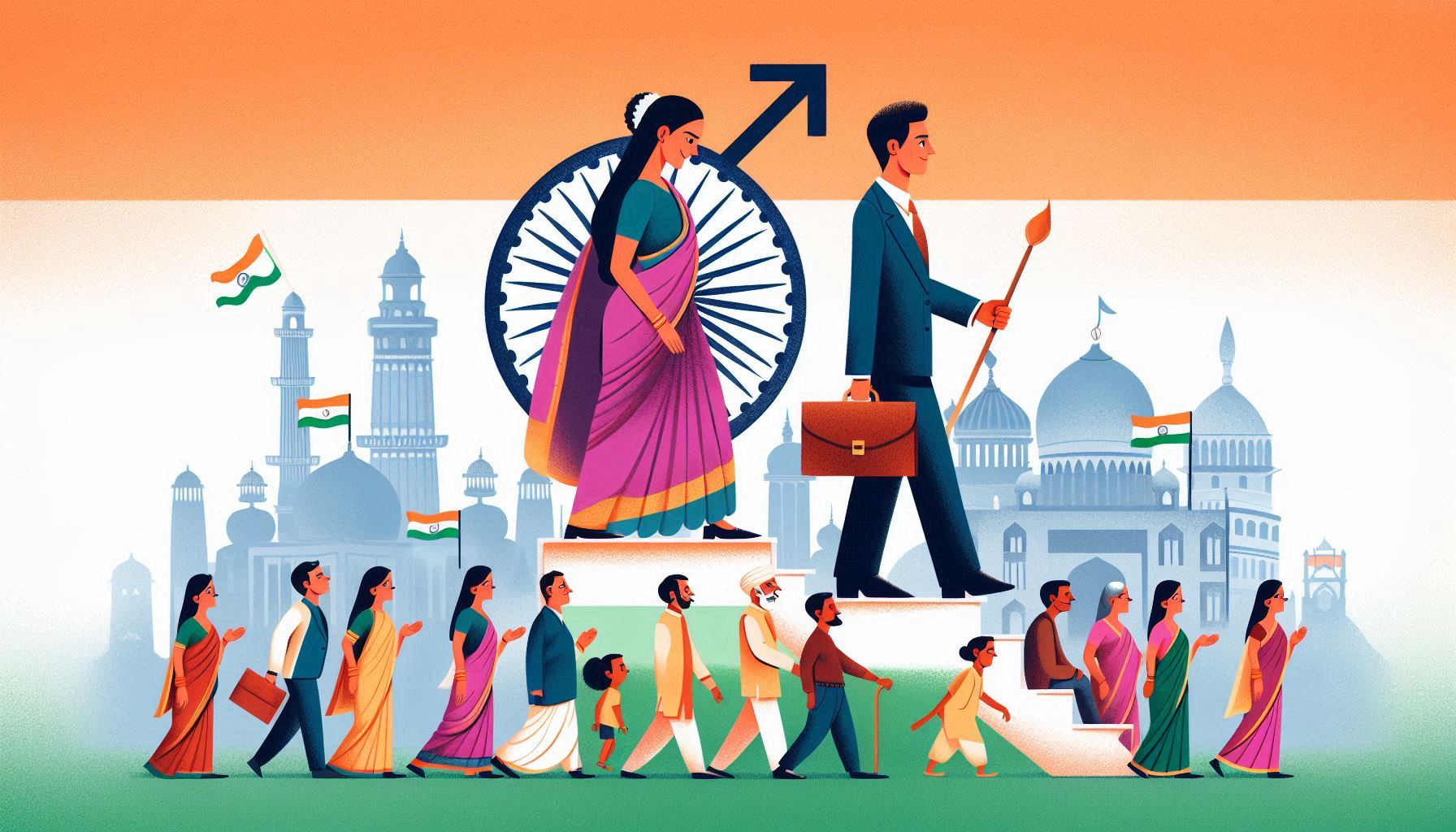
MUMBAI — Indians rank among the world’s most progressive citizens in their views on gender equality, with 78 per cent believing in the importance of achieving gender parity, according to a new global survey released ahead of International Women’s Day 2025.
The 30-country study by Ipsos reveals strong alignment between Indian men (77 per cent) and women (80 per cent) on gender equality issues, contrasting sharply with more polarised views in South Korea (52 per cent) and the Netherlands (54 per cent).
Nearly half of Indians surveyed (48 per cent) perceive domestic responsibilities such as housekeeping and cooking as shared obligations rather than gender-specific tasks. Only 28 per cent attributed these responsibilities solely to women, while 18 per cent associated them with men.
Ipsos India chief executive officer Amit Adarkar noted the significance of these findings in light of the World Economic Forum’s projection that full gender parity remains over a century away.
“According to the WEF, at the current rate of progress, it would take until 2158—roughly five generations from now—to reach full gender parity,” said Adarkar. “It is heartening to see that both men and women in India are aligned in their views on equal treatment and opportunity for women.”
The survey, conducted in alignment with the International Women’s Day 2025 theme of #AccelerateAction, identified several key findings about Indian attitudes:
* 69 per cent believe women holding positions of responsibility in business and government is crucial for accelerating gender equality
* 66 per cent perceive increased pressure on men to support gender equality
* 64 per cent feel that in promoting gender equality, men are sometimes discriminated against
* 60 per cent consider men who stay home to care for children as “less of a man”—a view that has become more pronounced since 2019, when only 39 per cent held this opinion
Regarding gender stereotypes, the survey revealed increasingly progressive attitudes in several areas. For unpaid family care, including childcare and looking after elderly relatives, 53 per cent of Indians attributed responsibility to both genders. Similar balanced views were expressed on gender-based violence (48 per cent), physical assault (48 per cent), parental leave (48 per cent), and healthcare access (52 per cent).
Adarkar attributed these progressive shifts to changing family structures and government initiatives.
“Urban Indians would be by far more progressive in their views on gender equality versus those residing in rural India. With urban pressures of work and home responsibilities, parents are showering their love on their child minus gender bias. Even rural India is witnessing progressive shifts with projects like Beti Bachao, Beti Padhao and Lakhpati Didis,” he said.
The Ipsos survey interviewed 24,269 people across 30 countries between 20th December 2024 and 3rd January 2025. The India sample comprised approximately 2,200 individuals, with 1,800 interviewed face-to-face and 400 online.