Brands
PepsiCo pops $1.95bn for trendy gut-friendly fizz

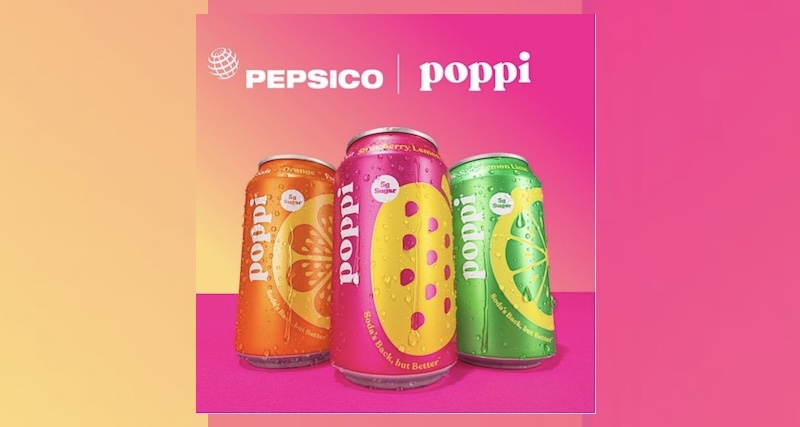
MUMBAI: PepsiCo has opened its corporate wallet to quench its thirst for growth in the better-for-you drinks market. The American beverages giant announced it will acquire poppi, the prebiotic soda upstart that has captivated wellness-minded millennials, for a fizzy $1.95 billion—though tax benefits will reduce the actual outlay to $1.65 billion.
The acquisition marks another strategic pivot for the soft drinks titan as it attempts to wean itself off sugary legacy brands and catch the health-conscious wave sweeping through beverage aisles. Poppi, with its apple cider vinegar formulation and Instagram-friendly packaging, has become something of a darling among the kombucha crowd.

“We’ve been evolving our food and beverage portfolio over many years, including by innovating with our brands in new spaces and through disciplined, strategic acquisitions that enable us to offer more positive choices to our consumers,” said said PepsiCo chairman & chief executive Ramon Laguarta. “More than ever, consumers are looking for convenient and great-tasting options that fit their lifestyles and respond to their growing interest in health and wellness. poppi is a great complement to our portfolio transformation efforts to meet these needs.”
The acquisition represents a fairytale ending for poppi’s founders, Allison and Stephen Ellsworth, who brewed their first batches in their Texas kitchen before landing an investment on American television programme “Shark Tank” from guest judge Rohan Oza and his Cavu Consumer Partners from its initial seed round to today.
“As we look to reorient our portfolio offerings to address white space consumer needs, the poppi brand’s unique intersection with wellness and culture is a perfect addition to our portfolio,” said PepsiCo Beverages US CEO Ram Krishnan. “Allison and the poppi team have built a magnetic brand that’s ahead of the trends, with a loyal consumer base and a demonstrated capacity for growth. We are big fans of the poppi brand movement and believe this incredible brand paired with our commercial capabilities will drive continued growth and innovation for years to come.”

“When I created poppi in our kitchen, it was fueled by a desire to create a better-for-you soda,” said poppi co-founder Allison Ellsworth. “We never imagined how many people we could reach through hard work, determination and a clear mission to create a functional soda that stands the test of time. We believe poppi is the soda that will be embraced for generations to come, and we’re beyond grateful to the amazing poppi team, our partners who believed in us from the very beginning and most importantly our incredible community. We can’t wait to begin this next chapter with PepsiCo to bring our soda to more people – and I know they will honour what makes poppi so special while supporting our next phase of growth and innovation. I hope our story inspires others to explore their passions, take the risk, and believe that anything is possible.”
“poppi is a true testament to the American Dream! From the kitchen to Shark Tank to becoming an iconic brand, this couldn’t have been done without the amazing founders Allison and Stephen Ellsworth, the incredible team in place led by CEO Chris Hall, the unmatched support of Cavu’s uncommon team led by Stevie Clements, and the extraordinary poppi community,” said Cavu Consumer Partners co-Founder Rohan Oza and guest shark on ABC’s Shark Tank. “We’re beyond thrilled to be partnering with PepsiCo so that even more consumers across America, and the world, can enjoy poppi – a truly modern soda for the next generation.”
With no more than five grams of sugar per serving and what the company calls “cultural cache”, poppi has captured a loyal following among consumers who find traditional sodas too sweet but still crave the satisfaction of carbonation. Its range includes reimagined classics like cola and root beer alongside trendier flavours such as raspberry rose.
The transaction, which includes potential additional earnout payments tied to performance targets, is still subject to regulatory approval.
For PepsiCo, which generated nearly $92 billion in revenue last year, the acquisition represents more than just another brand in its portfolio. It signals the company’s recognition that yesterday’s fizzy drinks might not satisfy tomorrow’s consumers—particularly those who expect their beverages to do more than merely refresh.
Whether the company can maintain poppi’s cool factor while scaling it through its industrial distribution machine remains to be seen. Previous attempts by beverage giants to nurture acquired brands have sometimes gone flat.