Gaming
Dream 11’s IPL technology challenge

MUMBAI: IPL 2025 Day One. The much hyped and awaited opener between RCB and KKR is about to begin. The Dream Sports War Room – as the tech hub has been labelled – is a hustle-bustle of activity. Energy levels are high, there’s tension in the air amongst all the engineers and product managers who have stationed themselves in the office for the cracker of a match that’s about to go on air.
Viewer engagement expectations on the Dream 11 app are higher than ever following the merger of JioCinema and Disney Hotstar into this behemoth streamer called JioHotstar with a subscription base of 60 million.
Even before the first ball has been bowled fantasy players by the millions have started their game play on Dream 11.
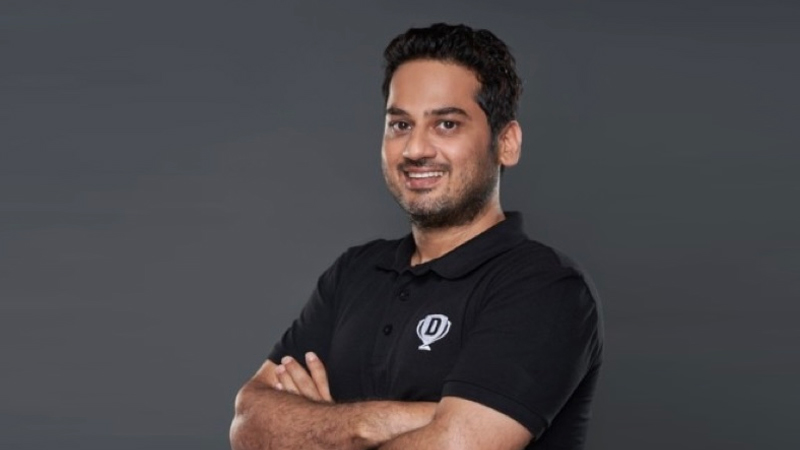
At the centre of it all is Dream Sports chief technology officer Amit Sharma – the commander of the nerve centre that keeps millions of cricket fans connected—come traffic surge or system meltdown. Like the captain of a ship sailing through a turbulent sea he retains his calm so that he can steer his charge safely through the storm.

“IPL isn’t just a cricket tournament; it’s a digital gladiatorial arena,” Sharma explained on Linkedin. ” We’re all hands on deck, I really mean it. Every team works in tandem to make it bigger and better than the previous season! While the event lasts just for a couple of months, we prepare by making our systems more robust throughout the year. There’s a lot that goes behind stitching the most seamless experience for our users – from coming on the app, selecting a contest to making their dream team and real-time leader boards – it’s truly a journey. On top of our mind is the fact that we’re not just hosting an app; we’re managing a national digital phenomenon that can spike to 700 million requests per minute. “
And how does the engineering team manage to keep the app in good enough shape despite the killer load that piles up when the league gathers steam?
Before the first ball is bowled, Sharma’s team conducts a “service operational maturity assessment” (SOMA)—a forensic examination of over 100 critical services. Engineers run what can only be described as digital stress tests: benchmarks that would make Silicon Valley veterans break into a sweat. Chaos tests and real-world load simulations are pressured on the system to fine-tune applications and infrastructure.
“We’re not just testing; we’re essentially performing open-heart surgery on our digital infrastructure,” he quips. Some systems receive targeted upgrades, while others undergo complete architectural metamorphosis.
A key tool that streamlines the massive inflow of online players is “Scaler”, Dream Sports’ in-house traffic
management marvel. This system doesn’t just respond to traffic—it anticipates it. Predictive models allocate resources before traffic spikes can even think about overwhelming the system.
The war room’s crown jewels? Two razor-sharp monitoring systems:
1. Watch Commander (WACO): A real-time performance sentinel that catches anomalies faster than a fielder’s lightning-quick catch.
2. Pulse: A user interaction tracker that identifies potential glitches before they can say “out.”
Behind every algorithmic prediction and system upgrade is a team of engineers who treat digital resilience like a cricket strategy—meticulously planned, ruthlessly executed. Dream Sports’ incident management system stands ready, a digital emergency response unit primed to tackle any unforeseen technological yorkers.
Each IPL season is more than a sporting event—it’s a technological crucible where Dream Sports redefines the boundaries of digital scalability, says Sharma. “It challenges us to rethink and refine how we approach scale, speed and reliability,” he adds.

Back to Dream Sports War Room and to the opening match of the IPL. All that is needed to take RCB to their first victory in the 2025 edition is a thump to the boundary, which Livingstone does when he wacks the Johnson delivery past mid-on to the ropes to the dismay of those in the Eden Gardens stadium.
In the war-room, Sharma leans back and heaves a sigh of relief. The match saw the Dream 11 app getting a peak concurrency of 16.5 crore users. And it held up strong, without any glitches to the delight of all the engineers who were on standby. Another battle won. Till the next one.