MAM
How to Choose the Best Insurance Provider for Commercial Vehicles?

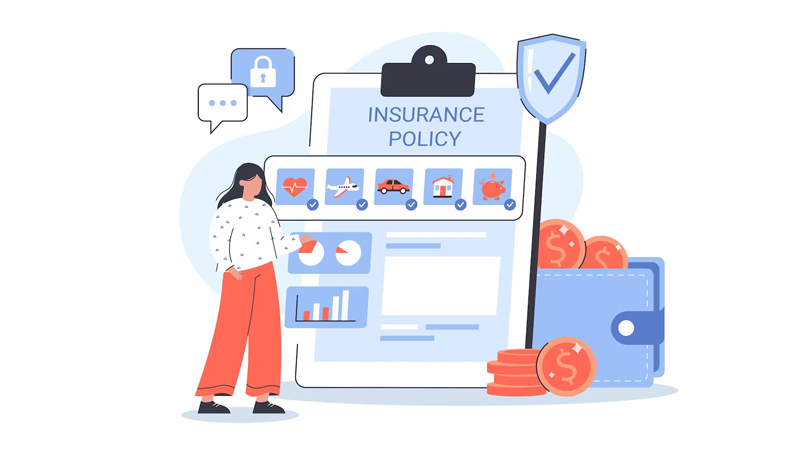
Choosing the right insurance provider for your commercial vehicles is essential for protecting your business operations. With numerous insurers offering varied plans, it’s important to compare beyond just premiums.
From claim settlement records to custom coverage options, the right partner can make all the difference in long-term value and peace of mind. Here’s how to choose a provider that aligns with your needs and keeps your business moving.
8 Steps to Choose the Right Commercial Vehicle Insurer
Businesses that rely on transportation, working with a fleet of delivery vans or a single goods carrier, choosing the right insurance provider is more than just a checkbox. It’s a strategic decision that impacts financial stability, risk management, and business continuity.
From small fleet operators to large-scale logistics providers, selecting the right partner for your truck insurance or commercial vehicle insurance ensures you’re not left stranded when unexpected situations arise.
1. Assess Your Business and Vehicle Coverage Needs
Before comparing providers, it’s essential to understand what kind of protection your business vehicles require.
Start With the Basics
● List the types of vehicles you operate, such as light commercial vehicles, trucks, vans, etc.
● Assess how often these vehicles are used and the distances they cover.
● Identify specific risks, such as theft, long-distance travel, and transporting hazardous materials.
Once you know your operational landscape, you can look for truck insurance plans that meet your usage patterns and risk exposure. For instance, vehicles operating in remote or high-theft areas may need enhanced theft protection or personal accident cover for drivers.
2. Check the Provider’s Industry Reputation
Choosing a trusted name can save you from claim rejections and poor service when it matters most.
What to Research:
● Claim Settlement Ratio: Indicates how likely the insurer is to honour your claims.
● Years in Business: More experience often means more refined processes.
● Client Testimonials: Look for feedback from logistics companies or fleet owners.
An insurance company with a consistent track record in commercial vehicle insurance is likely to offer more reliable support and customised offerings for your line of work.
3. Compare Policy Types and Inclusions
Truck insurance policies are not all the same. What one insurer includes as a standard feature, another might offer as an add-on.
Coverage Types to Consider:
● Third-Party Liability: Legally required, but limited in coverage.
● Comprehensive Plans: Cover damage to your own vehicle in addition to third-party liability.
● Specialised Cover: May include towing, roadside assistance, and legal liability for employees or goods.
Before committing, ask for a policy wordings document and carefully go through exclusions, deductibles, and terms.
4. Evaluate Claim Settlement Ratio and Process
When disaster strikes, the last thing you want is a lengthy claims process.
Questions to Ask:
● What’s the average turnaround time for claims?
● Is the process digital or paper-heavy?
● Are there 24/7 claim support services?
A provider offering digital claim filing, mobile app access, and quick approvals is a plus, especially for businesses with tight delivery timelines.
For truck insurance, time is quite literally money. Downtime due to unresolved claims can delay shipments, affect client relationships, and cost you significantly.
5. Look for Customisable Add-Ons and Riders
Every business is unique. Your vehicles might be carrying perishable goods, crossing state lines, or operating in extreme conditions. This is where customisation matters.
Valuable Add-Ons Include:
● Zero Depreciation Cover: Reimburses the full cost of replaced parts without depreciation.
● Engine Protection: Crucial for trucks operating in flood-prone areas.
● Roadside Assistance: Immediate help in case of a breakdown.
● Consumables Cover: Covers costs of oil, nuts, bolts and similar items during repair.
If you’re evaluating truck insurance for heavy-duty vehicles, confirm whether the policy allows for such riders and how they affect premium costs.
6. Review Premium Costs Versus Benefits
Lower premiums may be attractive, but they often come at the cost of limited coverage.
How to Strike the Right Balance:
● Shortlist providers offering the most relevant coverage for your business.
● Evaluate if slightly higher premiums offer significantly better support or broader coverage.
● Use online comparison tools to estimate premiums for similar coverage structures.
Think of commercial vehicle insurance not as an expense, but as an investment. A slightly higher upfront premium may save you lakhs in the event of an accident or theft.
7. Consider Customer Support and Service Quality
Your interaction with the insurance provider shouldn’t end just because you’ve purchased the policy. Post-sale service plays a big role in the overall experience.
Evaluate Their Support Channels:
● Do they offer round-the-clock helplines?
● Is support available in your regional language?
● Do they provide dedicated relationship managers for fleet accounts?
Truck insurance claims often require coordination with service centres and RTOs. A responsive support team can easily make the process smoother and faster.
8. Verify Network Garages and Digital Access
A wide network of partner garages ensures that no matter where your vehicle breaks down, help is never too far away.
What to Check:
● The number of cashless garages near your major delivery zones
● If they handle repairs for commercial trucks and large vehicles
● If the insurer offers real-time tracking for claim approvals
Digital convenience also matters. Look for insurers who allow you to:
● Download e-policy documents
● File and track claims through apps
● Renew truck insurance online in minutes
A wide network and smooth digital interface aren’t just nice to have; they’re critical for time-sensitive operations in logistics and transport businesses.
Choosing the right provider for commercial vehicle insurance isn’t just about comparing premiums. It’s about finding a partner that understands the complexity of your business, offers flexible coverage, and helps minimise disruption when something goes wrong.
If you’re seeking truck insurance for a single vehicle or an entire fleet, prioritise claim efficiency, customisation, and service quality. With the right provider, your business stays protected, not just on paper, but also on the road.