MAM
Health check for the future as DHN puts digital care on the diagnosis table

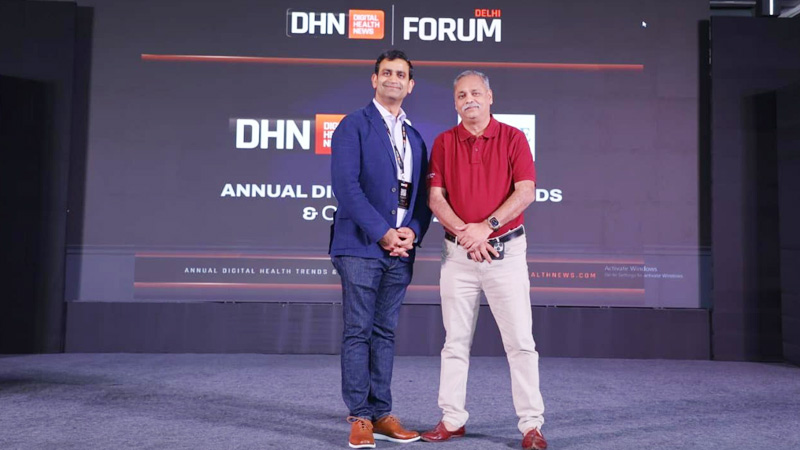
MUMBAI: It wasn’t just another forum, it was a prescription for the future. The third edition of the DHN Forum wrapped up in Delhi with a potent dose of insight, intent, and innovation, positioning itself firmly as a vanguard of India’s digital healthcare transformation. From cutting-edge tech talk to policy powwows, the Forum proved there’s no better medicine than collaboration.
Held in association with Chime India, the event saw the unveiling of the Annual Digital Health Trends and Outlook 2025, a landmark report offering the clearest diagnosis yet of the health tech pulse in India. Packed with survey inputs from healthcare IT decision-makers across regions and hierarchies, the report identified six symptoms (or should we say signals) defining the sector’s digital evolution.
At the top of the chart: AI. A whopping 54 per cent of respondents picked artificial intelligence as the most transformative technology in healthcare for the next two to three years, with clinical decision support set to headline 2025. But while the tech prognosis looks strong, it’s not without complications 46 per cent cited budgets as the biggest barrier to adoption, while cybersecurity still faces growing pains despite better threat detection.
Over 200 delegates from hospital CIOs and pharma heads to US-based strategy experts attended keynotes and policy roundtables under the theme “Empowering Health, Advancing Equity, Transforming Care.” Big names included Uma Nambiar (IISc Medical School Foundation), Divleen Jeji (Google Health), Feby Abraham (Memorial Hermann, Houston), and Alka Goel (Alkemi Growth Capital).
Patient experience is the new pulse rate: over 51 per cent of respondents defined digital transformation by its impact on engagement. Meanwhile, nearly 60 per cent rated tech partnerships as more valuable than internal R&D, a clear sign that healthcare is teaming up for better health outcomes.
“It’s not just a report, it’s a call to action,” said ScalehealthTech founder and CEO of DHN Vishnu Saxena. “From funding gaps to AI integration, this blueprint helps healthcare players plan better, innovate responsibly, and centre care around real people.”
Chime India chairperson Girish Kulkarni echoed the sentiment, stressing the role of CIOs and chief digital officers in steering the healthcare ship. “Strategic foresight and bold thinking are no longer optional, they are critical,” he said.
The Forum also celebrated the Top 10 Healthcare CIOs of the Year, selected from 70-plus nominations by a global jury, acknowledging leaders who’ve pushed boundaries in hospitals, insurance, and pharma.
Looking ahead, DHN is doubling down on momentum. Its new Digital Health Marketplace (DHP) will act as a curated matchmaking platform for hospitals and startups, while partnerships with IIT Delhi, IIITs and AHPI aim to stitch research more tightly into practice. The upcoming HealthTech Innovation Challenge will also put promising solutions in front of VCs, policymakers, and institutional leaders.
For a sector often tangled in red tape, DHN’s efforts are a breath of fresh (digital) air. With its latest report, cross-sector forums, and academic push, the platform isn’t just talking transformation, it’s prescribing it.