MAM
Tata Motors’ Shubhranshu Singh earns spot on Forbes’ 2025 list of world’s top CMOs at Cannes
MUMBAI: Some marketers chase trends.
Others shape them.
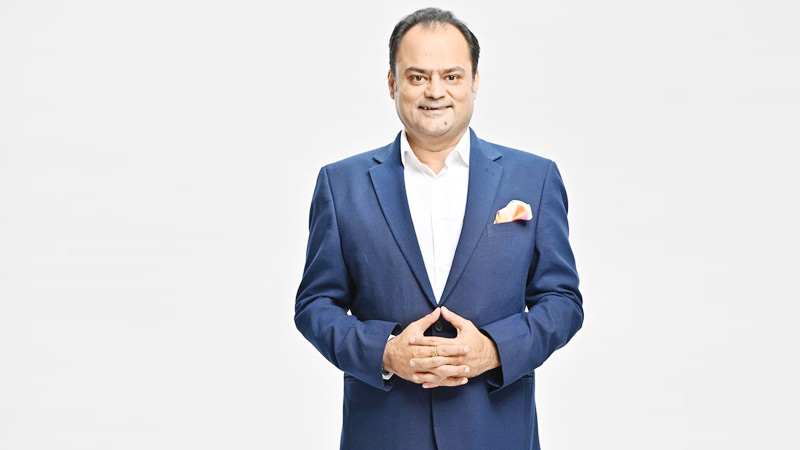
At the 2025 Cannes Lions International Festival of Creativity, Forbes tipped its hat to the latter by naming Tata Motors Commercial Vehicles CMO Shubhranshu Singh to its coveted World’s Most Influential CMOs list. Singh’s inclusion marks a high point in a career defined by strategic clarity, brand building, and sharp cultural insight.
Forbes announced the list this week, spotlighting global marketing leaders who go beyond campaigns to redefine culture, drive purpose, and deliver business impact. It assessed contenders on digital engagement, campaign effectiveness, media visibility, and community resonance—placing Singh among the likes of Apple’s Greg Joswiak, Google’s Lorraine Twohill, and L’Oréal’s Asmita Dubey.
“Being named to the Forbes World’s Most Influential CMOs List is more than an accolade—it is a recognition of marketing’s evolving role as a driver of business value, social relevance, and global reputation. CMOs on this list are not only architects of brand strategy but also leaders who influence culture, champion innovation, and create lasting business impact across industries and geographies”, Forbes noted.
Known for leading transformative brand campaigns at Tata Motors, Singh has positioned the commercial vehicle division as a symbol of trust and innovation. His digital-first approach and focus on aligning business goals with societal narratives have drawn industry-wide admiration. His leadership reflects the new breed of marketers—part strategist, part storyteller, and full-time change-maker.
“Shubhranshu Singh, stalwart marketeer, columnist and thought leader currently serving as chief marketing officer of Tata Motors Commercial Vehicles, has been named to this year’s prestigious list, placing him among the most influential voices in global marketing today”, the announcement added.
Singh’s recent appointment to the inaugural board of the Effie Lions Foundation further signals his growing influence. The nonprofit, headquartered in New York, aims to nurture diverse marketing talent worldwide. As a board member, Singh will help shape the future of industry leadership with a lens on inclusivity and global impact.
“As a member of the board of directors, he will have a unique opportunity to: Have a voice in shaping the marketing industry’s future talent; Help ensure that the marketing industry attracts the diverse talent needed for its future success”, said the foundation.
Over the last decade, Forbes’ annual list has recognised the likes of Disney’s Asad Ayaz, Coca-Cola’s Manolo Arroyo, and Netflix’s Marian Lee—each redefining how brands connect with a fast-evolving world. Singh’s addition not only adds an Indian voice to that conversation, but underscores the rising global relevance of purpose-led marketing from the subcontinent.

MAM
Best Family Health Insurance Plans in India with OPD Cover
If we think about how many times you visited a paediatrician during the year for your child’s fever, or went to the pharmacy for cough syrup, antacids, or prescription cream; how many physiotherapy appointments your spouse had throughout the year, or how many routine diabetes check-up appointments you had; most families would say that the ongoing healthcare cost to their family isn’t necessarily the sudden expense of a grown adult being admitted to the hospital, but rather the ongoing and regular expenses of running the household. Because of this, the search for the best family health insurance plans in India have evolved to include OPD covering as a significant factor in their decision making process.
As someone who has reviewed countless policies for families, I’ve seen a clear shift. Families are no longer satisfied with a plan that only activates during a hospital crisis. They want a partner for everyday wellness, and that’s what modern, comprehensive Health Plans for Family aim to be.
OPD Cover: The Game-Changer in Family Health Insurance
OPD, or Outpatient Department, cover handles expenses incurred outside of a hospital admission. This includes:
- Doctor consultation fees (General Physicians and Specialists)
- Diagnostic tests (blood work, X-rays, MRIs)
- Pharmacy bills (medicines prescribed)
- Minor procedures (dressing, injections)
Without OPD coverage, all these costs come directly from your monthly budget. A comprehensive Health Insurance with OPD Cover absorbs these shocks, transforming your policy from a seldom-used safety net into an active, year-round health management tool. For a family with children or aging parents, this isn’t a luxury; it’s a practical necessity.
Identifying the Best Family Health Insurance Plans In India with OPD
Not all OPD covers are created equal. When comparing Health Plans for Family, you must dig into the specifics. Here’s what separates the good from the truly valuable:
Integrated vs. Add-on Cover: Some of the Best Family Health Insurance Plans In India bundle OPD within the base plan (e.g., HDFC Ergo’s Optima Restore). Others offer it as a paid add-on rider. Integrated covers are often more seamless, but add-ons allow you to customize. Compare the sub-limits and overall value.
Realistic Sub-Limits: OPD coverage always has limits. Look for plans that offer a dedicated annual OPD sum insured (e.g., ₹10,000-₹25,000 per family) rather than a tiny per-consultation limit. This gives you flexibility, you can use it for a few major diagnostics instead of just small consultations.
Cashless OPD Network: The true convenience of health insurance with OPD cover is cashless access. Leading insurers have tied up with pharmacy chains, diagnostic centers, and clinic networks. You can walk in, show your card, and walk out without paying upfront. Check the insurer’s network partners in your locality.
Simplified Claims Process: For reimbursements outside the cashless network, the process should be digital and straightforward—via an app with document upload. Cumbersome OPD claim processes defeat the very purpose.
Key Players and What to Look For
Several insurers have pioneered strong family floater plans with OPD benefits. While new products emerge, plans like HDFC Ergo’s Optima Restore, ICICI Lombard’s Health Advantage Plus, and Niva Bupa’s ReAssure 2.0 have been notable for their structured OPD components. Star Health’s Family Health Optima also offers a comprehensive package.
However, the plan name is less important than its architecture. Your checklist for the Best Family Health Insurance Plans In India with OPD should verify:
Adequate In-patient Sum Insured: This is your core cover. Don’t compromise this for OPD. Start with at least ₹15-20 Lakh for a family of four.
Restoration Benefit: Crucial for families. It restores your main sum insured if exhausted, often including the OPD cover.
No Claim Bonus (NCB): Your reward for a healthy year should protect your OPD benefit too, often by increasing your overall sum insured.
Preventive Health Check-ups: A sign of a wellness-oriented insurer. Many top Health Plans for Family include free annual check-ups, complementing the OPD benefit.
Making the Smart Choice for Your Family
Choosing the right plan requires a simple audit. Tally your family’s average annual spend on doctor visits, tests, and medicines. You’ll likely find it’s a significant amount. Then, compare the premium of a comprehensive Health Insurance with OPD Cover against a basic plan plus your out-of-pocket OPD expenditure. The difference is often negligible, but the value is monumental.
For families, the Best Family Health Insurance Plans In India will be those that acknowledge the fact that the “real” journey for your family’s health occurs daily and not just during emergencies. By choosing a Family Health Insurance plan with meaningful OPD coverage, you will not only be insuring against your family getting sick, but also investing in your family’s ability to see their doctors or other healthcare providers on a more frequent basis for non-emergency issues and providing your family with a significant degree of peace of mind with regards to their financial and physical well-being. The shift away from reactive insurance to proactive insurance by families is now essential; it has become a necessity for the modern family that is living with intention.