MAM
Actimedia’s Trupti Vasudev joins Travel Lifestyle Network board in global first

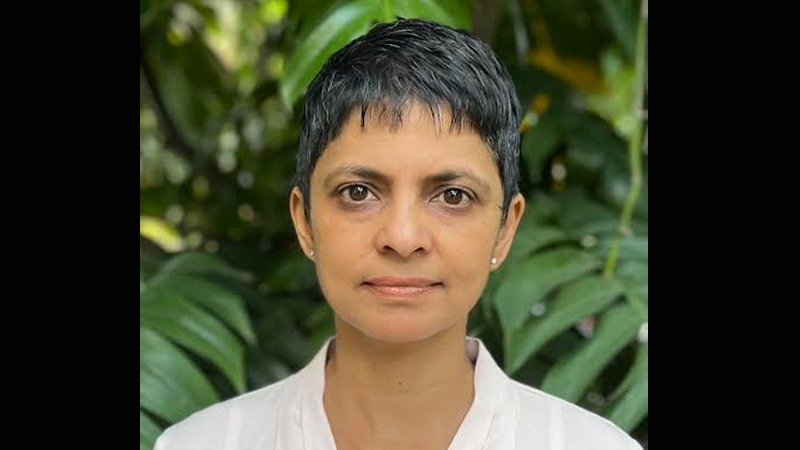
MUMBAI: Actimedia PR & Digital’s chief executive, Trupti Vasudev, has been appointed to the global board of the Travel Lifestyle Network (TLN), making her the first-ever representative from India to hold the role. She will represent the Asia-Pacific region, spanning India, Singapore, Hong Kong, South Korea, Australia, GCC, Indonesia and Japan.
The appointment comes as TLN – a coalition of 25 top-tier independent communications agencies – celebrates its 20th anniversary with an expanded mandate and a more globally integrated structure. Known for steering campaigns across luxury travel, hospitality, airlines, wellness and lifestyle, TLN is sharpening its focus on consumer storytelling and cross-border collaboration.
“The Travel Lifestyle Network is a prime example of the power of collaboration – both for the participating agencies and clients who choose to work with a TLN agency. Specialist agencies are offering agility and deeply localised solutions for lifestyle brands and travel tourism brands with the professionalism of a global network, and as such are offering up a stiff competition to international conglomerates. The APAC region represents one of the world’s most dynamic consumer markets and offers unparalleled opportunities across lifestyle, travel, and luxury segments. I’m excited to leverage the network to create greater opportunities for each of the members and also to expand TLN further into other Asia Pacific markets” said Vasudev.
Also joining the new-look board is David Zapata, founder of US-based Zapwater Communications, who steps in as executive chair. He’s joined by Marilyne Levesque of Marelle Communications representing the Americas, and Virginie Le Norgant of GroupExpression for Europe. TLN founder Hanna Kleber continues as honorary chair.
“Our agencies represent a remarkable group of entrepreneurial and innovative leaders deeply embedded in their local markets. Moving forward, we will place greater emphasis on new offerings, services and industries – all while maintaining the high standards of excellence that have defined TLN for two decades,” said Zapata.
For Vasudev and Actimedia – TLN’s exclusive Indian agency partner – the move marks a bigger role in shaping global strategy in one of the most competitive segments of PR: lifestyle, hospitality and tourism.
TLN’s message is clear: 20 years in, the network isn’t slowing down – it’s going global with more force than ever.






